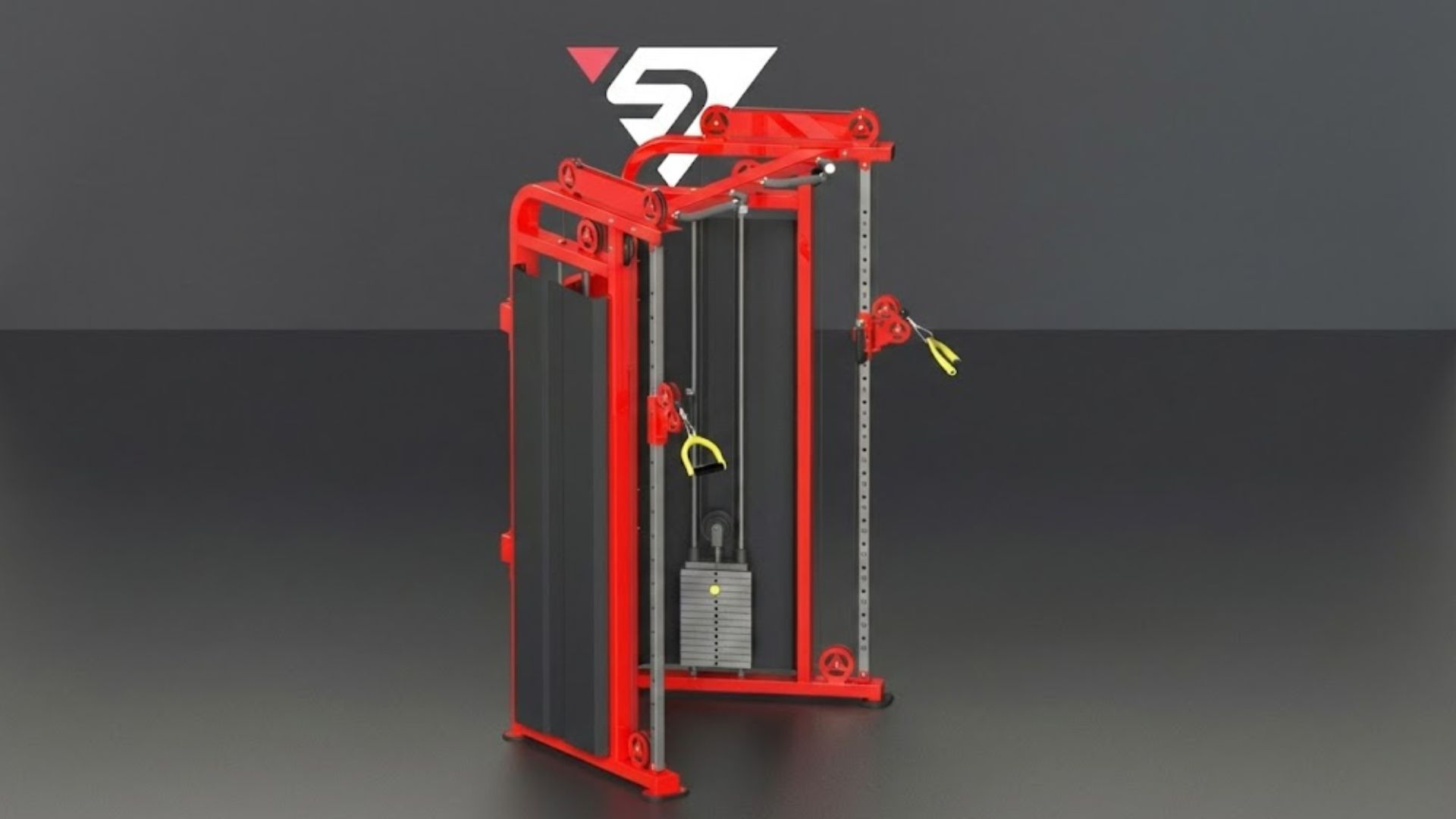
In busy gyms, space and time are always limited. Members come together, trainers handle more than one client, and machines stay occupied all day. In this situation, a functional trainer becomes one of the most useful pieces of equipment on the floor. It allows many exercises, different users, and shared training without creating chaos or long waiting lines. When the build is heavy-duty, it handles pressure calmly and supports smooth training for everyone.
Gyms today are not quiet places. They are active, social, and fast moving. Equipment must match this energy. This article explains how a strong functional trainer helps gyms train more people at the same time while keeping workouts safe, smooth, and organized.
Understanding Multi-User Training in Modern Gyms
Multi-user training is no longer optional. It is part of daily gym life.
In one hour:
- A trainer may guide two or three clients
- Members may rotate quickly
- Group sessions may overlap
A functional trainer supports this flow because it does not limit exercises to one direction or one body part. It adapts easily to different needs without long setup time.
Why Heavy-Duty Build Matters for Shared Use
When many users share one machine, weak equipment fails early.
Heavy-duty build means:
- Frame does not shake
- Towers stay aligned
- Cables move smoothly
- Adjustments stay firm
A strong functional trainer stays reliable even when users pull from different angles at the same time. This stability makes shared training possible without safety risk.
Two Users at the Same Time Without Interference
One major benefit is dual usage.
A heavy-duty functional trainer allows:
- Two users training side by side
- Trainer and client working together
- Superset style workouts
Each side works independently. Weight stacks do not interfere. This increases training capacity without adding more machines.
Faster Exercise Transitions Save Time
In busy gyms, time matters.
Members do not want to wait long to change exercises. Trainers need quick adjustments.
A functional trainer allows:
- Fast height changes
- Quick handle swaps
- Instant angle changes
This keeps sessions moving and avoids crowding.
One Machine Replaces Many Others
Space is always limited.
Instead of multiple single-purpose machines, one functionale trainer covers many movements:
- Push
- Pull
- Rotate
- Stabilize
This reduces floor clutter and allows more users in the same area.
Supporting Different Training Levels Together
In one gym session, beginners and advanced users often train near each other.
A functional trainer supports:
- Light rehab movements
- Moderate strength work
- Heavy resistance training
Weights adjust easily. Movements stay controlled. This makes shared space comfortable for all levels.
Smooth Resistance Reduces Training Conflicts
Jerky movement creates noise and safety issues.
Smooth cables reduce:
- Sudden stops
- Noise
- Vibration
A quality functionale trainer keeps resistance even, so multiple users can train nearby without distraction.
Trainers Can Handle More Clients Safely
Trainers often manage more than one person.
With a functionale trainer, a trainer can:
- Set one client on one side
- Guide another on the opposite side
- Observe both safely
This increases trainer efficiency without rushing.
Less Waiting Improves Member Experience
Waiting frustrates members.
When one functional trainer serves multiple users, waiting time reduces. Members feel the gym is well planned and professional.
Better flow leads to better retention.
Better Use of Group Training Sessions
Small group training is popular.
A heavy-duty functional trainer supports:
- Partner workouts
- Circuit training
- Small group sessions
Different exercises happen at the same time without confusion.
Comparison With Other Equipment Types
Compared to a cable cross over machine, functional trainers often allow more compact and organized multi-user setups. Compared to a leg extension and leg curl machine, they support full-body movement instead of isolated use.
Each machine has its role, but functional trainers shine in shared environments.
Safer Shared Training Environment
Safety matters more when many users train close together.
A stable functional trainer reduces:
- Cable snap risk
- Frame movement
- Uncontrolled motion
This protects everyone nearby.
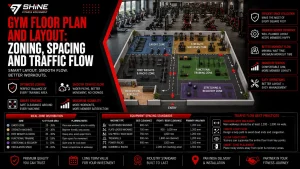
Organized Floor Layout Improves Capacity
One machine doing many jobs keeps the floor clean.
A functional trainer helps gyms:
- Reduce clutter
- Create clear walk paths
- Control traffic flow
This makes multi-user training easier and safer.
Supports Different Training Styles Together
In one hour, a gym may host:
- Strength training
- Functional circuits
- Rehab exercises
A functional trainer adapts to all without reconfiguration.
Lower Maintenance Interruptions
Shared machines face wear.
Heavy-duty build reduces breakdowns. Less downtime means consistent availability, which supports higher capacity.
Encourages Creative Training Without Extra Equipment
Trainers get creative with angles and attachments.
A functional trainer supports creativity while keeping users in one zone.
Why Busy Gyms Rely on Functional Trainers
Busy gyms need flexible equipment.
A functional trainer:
- Saves space
- Handles traffic
- Supports many users
This makes it essential in modern facilities.
Choosing the Right Model for Multi-User Capacity
Gym owners should check:
- Dual adjustable columns
- Independent weight stacks
- Smooth pulley travel
- Solid frame base
These features decide how well the functional trainer handles shared use.
Common Mistakes Gyms Make
Some gyms buy light-duty units.
These fail under shared use. Noise increases. Safety drops. Capacity suffers.
Long-Term Business Benefits
Higher capacity means:
- More members trained
- Better trainer productivity
- Faster return on investment
A durable functional trainer supports business growth.
FAQs
How does a functional trainer support multiple users?
It allows dual independent use with separate weight stacks and smooth adjustments.
Is it safer than a cable cross over machine?
Both are safe, but functional trainers handle shared use better in compact spaces.
Can beginners and advanced users train together?
Yes, resistance adjusts easily for different levels.
How does it compare to a leg extension and leg curl machine?
Functional trainers support full-body training, while leg extension and leg curl machine are isolated.
Does heavy-duty build really matter?
Yes, stability directly affects safety and shared capacity.
Is it suitable for group training?
Yes, it works well for small group and partner sessions.
Final Thoughts
Modern gyms need equipment that keeps up with real usage. Multi-user training is part of daily operations now. A heavy-duty functional trainer handles this pressure calmly. It supports shared sessions, saves space, improves flow, and keeps training safe.
Gyms that invest in strong, flexible equipment create better experiences for members and trainers alike.