If you walk into any serious gym today, you'll almost always find a seated row machine being used. It has become one of the most trusted pieces of strength training equipment for building a strong, balanced back, and for good reason. Whether you run a commercial gym, manage a fitness studio, or train at home, this machine delivers consistent results without putting unnecessary strain on the body. In this guide, we'll break down exactly which muscles it works, how to use it correctly, and what separates a well-built machine from a poorly made one.
The seated row machine has earned its place because it combines safety, simplicity, and effectiveness. Beginners can learn it in minutes, while experienced lifters rely on it to add controlled volume to their back training. As gyms continue to invest in durable, low-maintenance equipment, understanding the value of this machine helps owners and buyers make smarter decisions.
What Is a Seated Row Machine?
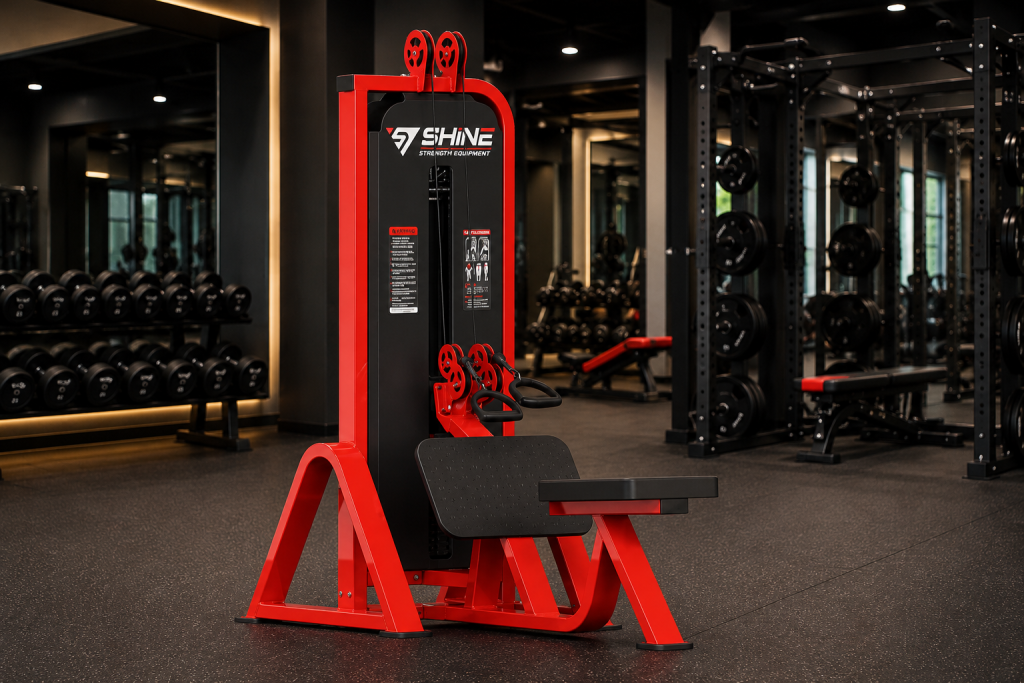
A seated row machine is a strength training tool designed to target the back muscles through a pulling motion. The user sits down, grips a handle, and pulls the weight toward the torso while keeping the back stable. This movement closely mimics the natural rowing motion, which is one of the most functional pulling exercises in any training program.
There are a few common variations you'll see across gyms:
- Cable-based seated rows that use a weight stack and pulley system
- Plate-loaded rows where users add weight plates manually
- Selectorized machines with a pin-adjustable weight stack for quick changes
- Chest-supported rows that reduce lower back involvement for safer training
Each version serves a slightly different purpose, but they all share the same goal: developing a strong, well-defined back through controlled resistance.
Muscles Worked by the Seated Row Machine
One of the biggest reasons this machine stays popular is how many muscles it activates in a single movement. It's not just a back exercise; it engages several supporting muscle groups at the same time.
Primary Muscles
- Latissimus dorsi (lats): The large muscles along the sides of your back that create width and pulling strength
- Rhomboids: Located between the shoulder blades, responsible for posture and squeezing the shoulders together
- Trapezius (middle and lower): Helps stabilize and retract the shoulder blades during the pull
Secondary Muscles
- Biceps: Assist the pulling motion and get a solid secondary workout
- Rear deltoids: The back of the shoulders, which support shoulder health and balance
- Forearms and grip muscles: Engaged constantly while holding the handle
- Core muscles: Activated to keep the torso stable throughout the movement
Because the seated row trains both the major and minor back muscles, it's an efficient choice for anyone wanting a complete upper-body pulling workout in less time.
Key Benefits of Using a Seated Row Machine
The seated row machine offers advantages that go beyond just building muscle. These benefits explain why it remains a staple in commercial gyms and home setups alike.
- Improved posture: Strengthening the back muscles helps counteract the forward slouch caused by sitting and desk work
- Reduced injury risk: The supported seated position keeps the spine stable, lowering the chance of strain
- Balanced muscle development: It strengthens the often-neglected pulling muscles to match pushing exercises like the bench press
- Beginner-friendly design: The fixed movement path makes it easy to learn with minimal coaching
- Consistent resistance: Smooth, controlled tension throughout the full range of motion
- Functional strength: The rowing pattern carries over to everyday lifting, carrying, and pulling tasks
- Time efficiency: Multiple muscle groups trained in a single exercise
- Suitable for all levels: Easily adjustable for beginners, athletes, and rehab clients
For gym owners, these benefits also translate into business value. A machine that's safe, easy to use, and appeals to a wide range of members tends to see heavy daily use, making it a reliable long-term investment.
Proper Seated Row Technique
Good form is what separates real results from wasted effort. Even though the machine is beginner-friendly, using poor technique can reduce its effectiveness and increase the risk of strain. Follow these steps for a clean, controlled rep.
- Set up your position: Sit upright with your feet firmly planted and chest against the pad if your machine has chest support
- Grip the handle: Hold with a neutral or overhand grip, keeping your wrists straight
- Engage your core: Tighten your midsection and keep your spine neutral, not rounded
- Pull with your back: Drive your elbows back and squeeze your shoulder blades together
- Control the return: Slowly extend your arms back to the starting position without letting the weight drop
- Maintain steady breathing: Exhale as you pull, inhale as you return
Common Mistakes to Avoid
- Using momentum or jerking the weight instead of controlled pulling
- Rounding the lower back, which puts pressure on the spine
- Pulling only with the arms and ignoring the back muscles
- Using too much weight and sacrificing form
- Rushing through reps instead of focusing on the squeeze
A slow, deliberate pace with a full squeeze at the end of each rep will always outperform heavy weight with sloppy form.
What Makes a High-Quality Seated Row Machine
Not all machines are built the same. As a leading gym machine manufacturer focus area, build quality directly affects safety, comfort, and how long the equipment lasts under heavy commercial use. When buyers evaluate equipment, these are the factors that truly matter.
Frame and Material Quality
A durable machine starts with a strong frame. Heavy-gauge steel construction, rust-resistant coatings, and reinforced welds ensure the machine can handle thousands of reps without wobbling or wearing down. Cheaper materials may save money upfront but often fail under commercial demand.
Smooth Movement and Engineering
The pulley systems, bearings, and cables determine how smooth the resistance feels. A well-engineered machine offers consistent tension with no jerking or sticking points, which improves the workout experience and reduces wear over time.
Comfort and Adjustability
User comfort keeps members coming back. Quality padding, adjustable seats, and ergonomic handles allow people of different body types to train safely. Adjustability also makes the machine accessible to a wider range of users.
Safety Standards
Reliable equipment meets recognized safety standards, with secure weight stacks, stable bases, and clear movement paths. For commercial gyms, this isn't optional; it protects members and reduces liability.
Choosing the Right Equipment for Your Gym
Buying gym equipment is a long-term investment, so the decision deserves careful thought. Whether you're outfitting a new facility or upgrading existing machines, a few priorities should guide your choice.
- Durability: Commercial-grade machines should withstand years of daily use
- Maintenance needs: Look for equipment that's easy to clean, service, and repair
- Customization options: A trusted fitness equipment manufacturer can tailor finishes, branding, and specifications to your gym
- Warranty and support: Strong after-sales service protects your investment
- Space efficiency: Choose machines that fit your floor plan without crowding members
- User appeal: Equipment that's comfortable and effective drives member retention
Partnering with an experienced seated row machine manufacturer ensures you get equipment engineered for real-world performance, not just a low-price tag. The right manufacturer understands how commercial gyms operate and builds machines that hold up under pressure.
Smart Trends Shaping Modern Fitness Equipment
The fitness industry continues to evolve, and equipment is becoming smarter and more user-focused. Modern gyms increasingly look for machines that combine proven mechanics with new technology.
- Smart tracking: Integrated sensors that monitor reps, weight, and progress
- Compact home gym designs: Space-saving machines built for the growing home fitness market
- Customizable resistance: Adjustable systems that adapt to different training goals
- Improved ergonomics: Designs focused on comfort, joint safety, and accessibility
- Sustainable manufacturing: Eco-friendly materials and energy-efficient production
These trends reflect a clear shift toward equipment that delivers both performance and long-term value. For gym owners, staying ahead of these developments helps attract and retain members in a competitive market.
Conclusion
The seated row machine remains one of the most effective and dependable tools for building a strong, balanced back while supporting better posture and overall strength. Its combination of safety, ease of use, and proven results makes it a valuable addition to any commercial gym or home setup. By understanding the muscles it works, mastering proper technique, and investing in well-built equipment, both lifters and gym owners can get the most out of every workout.
When it comes to durability and performance, the difference always comes down to engineering and craftsmanship. As a trusted fitness equipment manufacturer and reliable gym machine manufacturer, Shine Fitness designs equipment built to handle heavy commercial use while keeping users comfortable and safe. If you're looking for a dependable seated row machine manufacturer that delivers quality, customization, and long-term value, we invite you to explore our range and reach out for a consultation. Build your gym with equipment designed to last.
Frequently Asked Questions (FAQs)
1. What muscles does the seated row machine work?
The seated row machine primarily targets the lats, rhomboids, and middle trapezius. It also engages the biceps, rear deltoids, forearms, and core muscles. This makes it an efficient choice for a complete upper-body pulling workout.
2. Is the seated row machine good for beginners?
Yes, it's one of the most beginner-friendly machines available. The fixed movement path and seated support make it easy to learn with proper form. Beginners can build back strength safely while reducing the risk of injury.
3. How often should I use the seated row machine?
Most people benefit from training the back two to three times per week. Allow at least 48 hours of recovery between intense sessions. Consistency with good form matters more than frequency.
4. What should I look for when buying a seated row machine?
Focus on frame durability, smooth movement, comfortable padding, and adjustability. Commercial buyers should also consider safety standards, warranty, and after-sales support. A reputable manufacturer ensures long-term reliability.
5. Can the seated row machine improve posture?
Yes, it strengthens the muscles responsible for pulling the shoulders back and supporting the spine. Regular use can help counteract the forward slouch from sitting and desk work. Over time, this contributes to noticeably better posture.
6. Is a seated row machine worth it for a home gym?
For those serious about back and upper-body strength, it's a worthwhile investment. Compact, modern designs now make it practical for home setups. It offers safe, effective training without needing a spotter.
7. What is the difference between cable and plate-loaded seated rows?
Cable machines use a weight stack with quick pin adjustments, while plate-loaded versions require adding weight plates manually. Plate-loaded machines often allow heavier loading, while cable versions offer convenience. Both are effective when built to a high standard.