Introduction
When a hotel guest steps into the fitness center at 6 AM, their experience in the next 45 minutes can determine whether they leave a five-star review or switch to a competitor property next time. For hospitality businesses, a well-equipped gym is no longer a nice-to-have amenity it is a competitive differentiator that directly impacts occupancy rates and brand reputation. Partnering with the right gym equipment manufacturer is one of the most consequential procurement decisions a hotel operator can make.
The hospitality fitness segment has matured significantly over the past decade. Business travelers, wellness tourists, and leisure guests now arrive with specific expectations: functional cardio equipment, accessible strength stations, and enough variety to maintain their training routines away from home. This guide breaks down exactly what belongs in a hotel gym, how to evaluate equipment quality, and what separates a forgettable fitness room from a genuine guest amenity.
Why Hotel Gyms Demand a Different Equipment Strategy
Hotels operate under constraints that commercial gyms do not. Space is at a premium, maintenance teams are not fitness specialists, and the equipment must serve a remarkably diverse user base from first-time gym-goers to competitive athletes without constant professional supervision.
This means every piece of equipment selected for a hospitality fitness center must meet a higher bar:
- Durability over aesthetics – Machines endure heavy daily use from rotating guests who may not follow proper form.
- Intuitive operation – Guests should not need instructions to use any piece of equipment.
- Low maintenance design – Service calls in a hotel setting disrupt the guest experience and cost more than in a dedicated gym.
- Compact footprint – Maximizing usable floor space is essential when the fitness center shares square footage with other amenities.
- Commercial-grade construction – Residential-grade machines fail quickly under hotel usage patterns.
Understanding these requirements is the first step toward building a fitness center that actually delivers return on investment.
The Core Hotel Gym Equipment List
1. Cardio Equipment: The Foundation of Any Hotel Gym
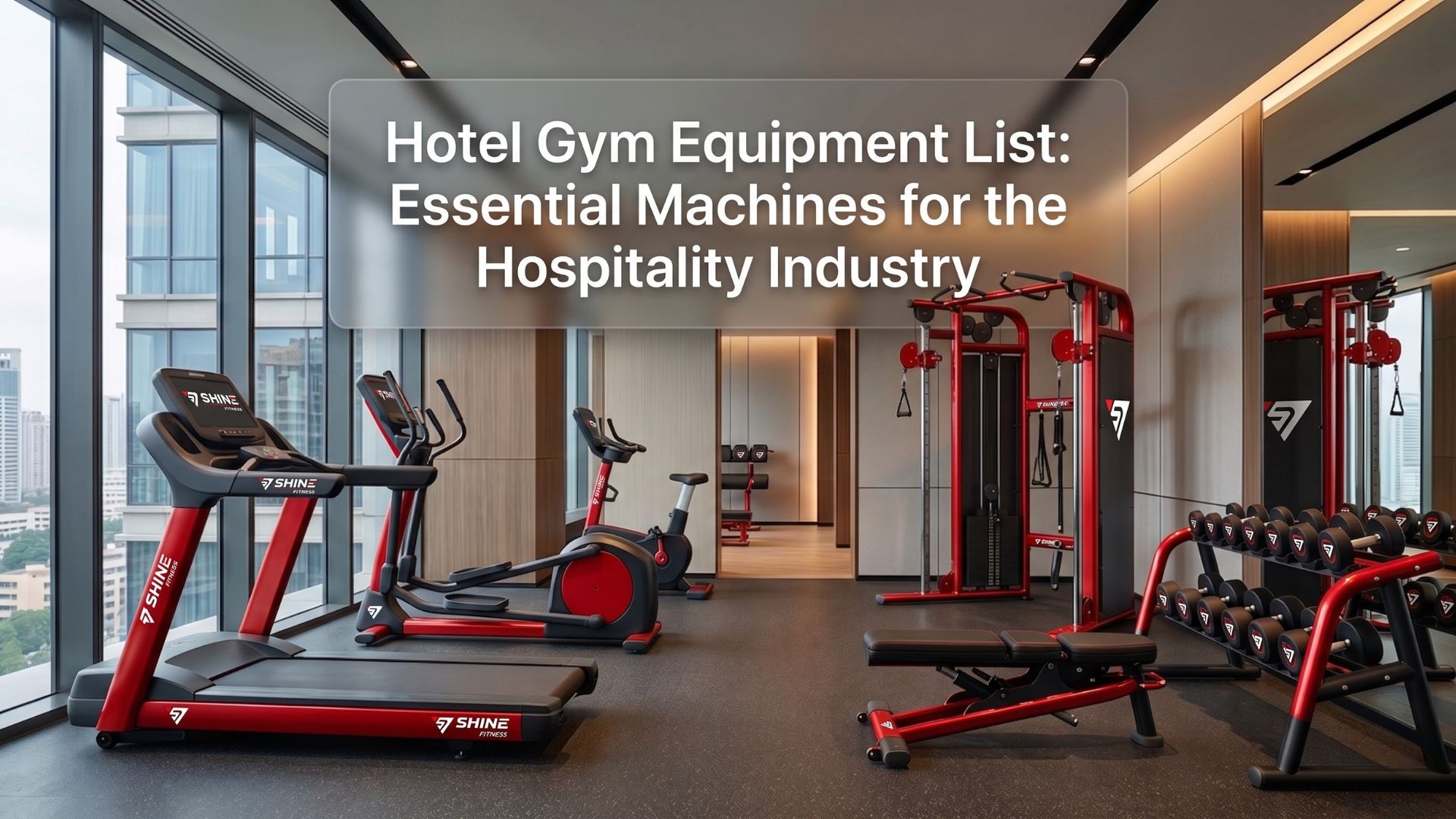
Cardio machines are typically the most-used category in hotel fitness centers. Guests arriving after long flights or full days of meetings prioritize low-impact movement, stress relief, and calorie burn all of which cardio equipment delivers efficiently.
Treadmills
A minimum of two to three treadmills is recommended for properties with more than 100 rooms. Look for models with:
- Speed range of at least 0.5 to 20 km/h
- Incline capability up to 15%
- Cushioned deck to reduce joint impact
- Built-in heart rate monitoring
- Integrated entertainment screens or device connectivity
Elliptical Cross-Trainers
Ellipticals appeal to guests managing knee or hip discomfort and those who prefer low-impact workouts. They are also quieter than treadmills, which matters in properties with fitness centers near guest rooms.
Stationary Bikes – Upright and Recumbent
A combination of upright and recumbent cycles covers the widest range of guest preferences and physical conditions. Recumbent bikes are particularly popular with older guests and business travelers who want active recovery.
Rowing Machines
Rowing ergometers have grown substantially in popularity due to the full-body conditioning they provide. Even one rower adds meaningful variety to a hotel gym without requiring significant floor space.
2. Strength Training Equipment: Meeting Every Fitness Level
The strength training setup in a hotel gym does not need to replicate a commercial powerlifting facility. What it does need is enough variety to support both beginner and experienced guests effectively.
Functional Cable Machine or Multi-Station Unit
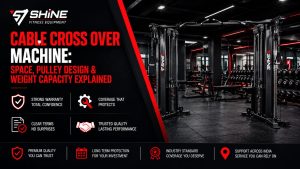
A dual-cable functional trainer is arguably the single most versatile piece of strength equipment available. It enables dozens of exercises targeting every major muscle group, making it ideal when floor space is limited. A single high-quality cable unit can replace four to six single-function machines.
Adjustable Dumbbells or Dumbbell Rack
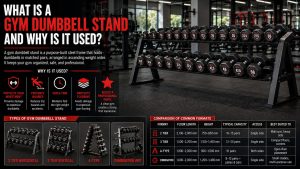
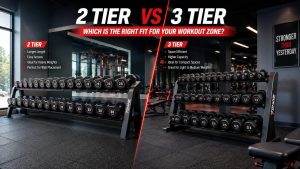
Free weights remain irreplaceable for a wide range of exercises. For hotels, a dumbbell rack covering 5 kg to 40 kg, with pairs in 2.5 kg increments, covers the needs of virtually every guest. Adjustable dumbbell systems are a space-efficient alternative for properties with smaller fitness areas.
Adjustable Bench
At minimum, one fully adjustable bench (flat, incline, decline) complements the dumbbell set and cable machine effectively.
Barbells and Weight Plates
For larger properties targeting business travelers and fitness-focused guests, a barbell rack with plates adds genuine value. A squat rack or power cage takes this a step further, though it requires both floor space and ceiling height.
Resistance Bands and Accessories
A well-stocked accessories station including resistance bands, foam rollers, ab wheels, and yoga mats rounds out the strength area without requiring additional machines. These items are inexpensive, require no maintenance, and appeal to a wide range of guests.
3. Abdominal and Core Training Stations
Core training is a priority for virtually every gym user, regardless of experience level. Dedicated abdominal exercise machines and core stations make a hotel gym feel complete.
Recommended core equipment includes:
- Ab bench or decline bench for weighted crunches and sit-up variations
- Captain’s chair / knee raise station for hanging leg raises and knee tucks
- Cable crunch attachment on the functional trainer
- Stability balls in multiple sizes for balance and core activation work
- Abdominal exercise machines targeting the obliques and rectus abdominis with guided movement paths
Core stations also tend to be compact and relatively inexpensive compared to large cardio machines, making them one of the highest-value additions to a hotel fitness center per square foot.
4. Flexibility and Recovery Zone
Increasingly, hotel gym designers are incorporating dedicated stretching and recovery areas. These zones require minimal equipment investment but meaningfully improve the overall guest experience.
Consider including:
- Foam rollers (standard and textured varieties)
- Stretching mats in sufficient quantity for simultaneous use
- Resistance bands for mobility work
- A dedicated floor area free from machines and foot traffic
Recovery zones are particularly valued by business travelers managing long-haul flight stiffness and conference-week fatigue.
Smart Technology Integration in Hotel Fitness Equipment
Modern fitness equipment increasingly incorporates technology features that guests expect especially when those guests regularly train with connected equipment at home or at their home gym.
Touchscreen Consoles
High-resolution touchscreen consoles with pre-programmed workout options, virtual running routes, and streaming entertainment dramatically improve the cardio experience. For hotel guests who are used to premium equipment in their own gyms, an outdated console is a noticeable downgrade.
Heart Rate Monitoring Integration
Wireless chest strap compatibility and grip-based heart rate sensors allow guests to train at target intensities without bringing their own equipment.
App Connectivity
Equipment that syncs with popular fitness apps such as Apple Health, Garmin Connect, or Polar Flow adds genuine value for guests tracking their training data across devices.
QR Code Exercise Guides
A simple but effective addition: QR codes placed at each equipment station linking to short instructional videos. This reduces intimidation for less experienced users and reduces misuse of equipment.
Evaluating Equipment Quality: What Hotel Buyers Should Look For
Purchasing decisions in the hospitality sector involve longer evaluation cycles than typical commercial gym procurement. Equipment that fails mid-season carries real reputational risk. Here is what separates dependable commercial-grade equipment from machines that look good but underperform:
Frame and Weld Quality
Commercial-grade steel frames with fully welded joints not bolted connections handle years of heavy use without structural degradation. Inspect weld quality closely when evaluating manufacturers.
Weight Stack and Cable Systems
On selectorized strength machines, smooth cable movement and consistent weight stack alignment are indicators of quality engineering. Weight stacks should be enclosed and protected from dust accumulation.
Motor Specifications on Cardio Equipment
Treadmill motors should be rated for continuous duty at a minimum of 3.0 CHP (continuous horsepower) for commercial applications. Motors rated only by “peak” output are typically designed for lighter residential use.
Upholstery and Surface Durability
Seat and pad upholstery should be commercial-grade vinyl rated for high-cycle use. Vinyl thickness, stitching quality, and foam density all affect longevity under intensive daily use patterns.
Warranty Terms
Commercial equipment warranties from reputable manufacturers typically cover:
- Frame: lifetime or 10+ years
- Motor: 5–7 years
- Parts: 3–5 years
- Labor: 1–2 years
Warranties shorter than these benchmarks should prompt closer scrutiny.
Space Planning Considerations for Hotel Fitness Centers
No equipment list delivers its full value without thoughtful layout planning. Hotel fitness centers present unique spatial constraints that require a deliberate approach to floor plan design.
Circulation Clearances
Maintain at least 1 meter of clearance on each side of cardio equipment and 1.5 meters behind treadmills to accommodate safe dismounting at speed.
Zoning by Activity Type
Group equipment logically: cardio along perimeter walls (where ventilation and natural light are best), strength equipment in the central floor area, and flexibility zones in a quieter corner.
Noise and Vibration Management
Install commercial rubber flooring beneath all equipment both to protect the floor and to absorb vibration. Rubber matting thickness should be a minimum of 8mm for cardio equipment and 10mm for free weight areas.
Ceiling Height
A minimum ceiling height of 2.5 meters is required for overhead exercises and cable machine movements. Taller ceilings also reduce the sense of compression in smaller fitness rooms.
Long-Term Investment Value: Why Manufacturer Selection Matters
The equipment budget in a hotel fitness center is not a one-time cost. Total cost of ownership includes installation, ongoing maintenance, parts replacement, and eventual refurbishment. Choosing a reliable fitness equipment manufacturer with local service capability reduces the lifetime cost of a hotel gym substantially.
Key factors when selecting a manufacturer:
- Local or regional service network – Fast response times for repairs prevent extended equipment downtime
- Parts availability – Proprietary parts that are hard to source extend repair timelines
- Customization options – Branded upholstery or color matching allows hotel gyms to align equipment with the property’s interior design
- References in the hospitality sector – A manufacturer with established hotel clients understands the unique requirements of the space
India’s fitness equipment manufacturing sector has matured considerably, with domestic manufacturers now producing commercial-grade equipment that competes credibly with imported alternatives at significantly more competitive price points. This is particularly relevant for hotel groups operating multiple properties across South and Southeast Asia.
Maintenance Planning for Hotel Gym Equipment
Even the highest-quality equipment requires a structured maintenance program to deliver its expected service life.
Daily checks:
- Wipe down all upholstered surfaces
- Inspect cable attachments and carabiners for wear
- Check that all weight stacks move smoothly
- Verify that emergency stop functions on treadmills are operational
Weekly maintenance:
- Lubricate treadmill belts per manufacturer specification
- Inspect weight stack pins and selector mechanisms
- Check cable tension and alignment on selectorized machines
Quarterly service:
- Professional inspection of motor systems on cardio equipment
- Upholstery inspection for tears or delamination
- Frame inspection for stress points or structural concerns
- Calibration checks on electronic consoles
A preventive maintenance contract with the equipment manufacturer or a qualified commercial gym equipment service provider is strongly recommended for hotel properties that cannot afford unplanned downtime.
Conclusion
Building a hotel gym that guests genuinely value requires more than purchasing a treadmill and a set of dumbbells. It demands a deliberate strategy: selecting the right categories of equipment, evaluating quality rigorously, and partnering with a gym equipment manufacturer that understands the hospitality sector’s specific demands.
The essential categories cardio machines, strength training equipment, abdominal exercise machines, core stations, and recovery zones form the foundation of any credible hotel fitness center. Layering in smart technology integration, thoughtful space planning, and a proactive maintenance program transforms a standard fitness room into a genuine competitive advantage.
Whether you are equipping a boutique property or a large conference hotel, working with an experienced gym machine manufacturer and fitness equipment manufacturer ensures that your investment delivers consistent performance across its full service life. For hotel groups operating in South Asia, Shine Fitness, recognized among India’s largest gym equipment manufacturers, offers commercial-grade solutions backed by deep hospitality sector experience, customization capabilities, and reliable regional support.
Reach out to Shine Fitness to explore equipment specifications, facility planning guidance, and pricing structured for hospitality procurement requirements.
Frequently Asked Questions
What is the minimum equipment a hotel gym should have?
At minimum, a functional hotel gym should include two to three treadmills, one elliptical, a stationary bike, a dumbbell set (5–30 kg), an adjustable bench, and a cable machine or multi-station unit. This covers the needs of the majority of guests without requiring significant floor space. Properties under 80 rooms may manage with a smaller selection, while larger hotels should plan for greater equipment variety.
How much does it cost to equip a hotel fitness center?
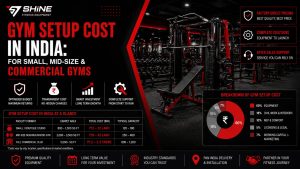
Equipment costs vary considerably based on brand, quality tier, and quantity. A functional mid-scale hotel gym setup typically ranges from ₹10–30 lakhs for a domestic manufacturer or higher for premium imported brands. The total investment should be evaluated against total cost of ownership including maintenance, parts, and eventual replacement rather than upfront price alone.
How often should hotel gym equipment be replaced?
Commercial-grade equipment from a reputable manufacturer typically has a service life of 8–12 years with proper maintenance. Cardio equipment, particularly treadmills, tends to require refurbishment or replacement sooner due to motor and belt wear. Annual equipment reviews help identify machines approaching end of useful life before they create guest experience problems.
What should hotels look for in a gym equipment manufacturer?
Prioritize manufacturers with verified commercial hospitality experience, a local or regional service network, transparent warranty terms, and availability of replacement parts. Ask for references from hotel clients and request factory visits if possible. A manufacturer’s ability to customize upholstery, colors, or branding to match your property’s design standards is an additional advantage.
Is smart fitness equipment worth the investment for hotel gyms?
For upper-midscale and above properties, yes. Touchscreen consoles, app connectivity, and virtual workout programming are increasingly expected by the business and leisure travelers these properties target. The premium over standard equipment is generally modest relative to the improvement in perceived quality and guest satisfaction scores.
How much space does a hotel gym need?
A functional hotel gym requires a minimum of 50–70 square meters to accommodate a basic equipment mix with safe circulation clearances. Properties with 150+ rooms or a strong fitness-focused positioning should plan for 100–150 square meters or more. Ceiling height should be no less than 2.5 meters to accommodate cable equipment and overhead exercises safely.
Can hotel gym equipment be customized to match the property’s interior design?
Yes, most commercial gym equipment manufacturers offer customization options including upholstery color matching, branded logo application, and custom frame finishes. This is particularly valuable for branded hotels and luxury properties where visual consistency across all guest-facing spaces is part of the brand standard. Discuss customization options directly with your manufacturer before finalizing an order.
What flooring is recommended for hotel fitness centers?
Commercial rubber flooring in 8–10mm thickness is the standard for hotel gym applications. Rubber flooring protects structural floors from impact and vibration, reduces noise transmission to adjacent spaces, and provides a safer surface for guests performing floor exercises or dropping weights. High-density interlocking rubber tiles are a practical choice for phased installation or future layout changes.