Walk into any successful gym, and you’ll notice something beyond the shiny machines and organized workout zones. The equipment feels solid. Smooth. Reliable. Treadmills don’t squeak. Cable machines glide effortlessly. Benches stay stable even after years of heavy use.
That doesn’t happen by accident.
Behind every well-functioning fitness facility is a disciplined maintenance routine that protects expensive equipment from early failure. Yet many gym owners overlook this until a major machine breaks down, members start complaining, or repair costs spiral out of control.
The reality is simple: gym equipment is one of the biggest investments in any fitness business. Whether you operate a commercial gym, hotel fitness center, apartment gym, rehab facility, or private studio, poor maintenance can shorten machine lifespan dramatically.
A high-quality machine from a trusted Gym Equipment Manufacturer can last well over a decade. Neglected equipment may struggle to survive half that time.
The difference usually comes down to maintenance habits.
This guide breaks down practical, real-world strategies used by experienced gym operators, technicians, and fitness professionals to extend the lifespan of gym equipment by up to 10 years while reducing downtime, improving member satisfaction, and protecting long-term profitability.
Why Gym Equipment Maintenance Matters More Than Most Owners Realize
Many gym owners focus heavily on purchasing equipment but underestimate the importance of maintaining it.
That’s a costly mistake.
Commercial fitness machines endure relentless stress every single day:
- Heavy loads
- Constant friction
- Sweat exposure
- Dust accumulation
- Electrical strain
- Repetitive impact
- Environmental humidity
Without routine care, even premium equipment deteriorates quickly.
Proper maintenance delivers several major benefits:
Reduced Repair Costs
Minor maintenance issues are far cheaper than full equipment replacement. Replacing a worn cable costs far less than replacing an entire cable crossover station after catastrophic failure.
Improved Member Experience
Members notice equipment quality immediately. Machines that wobble, squeak, or malfunction create frustration and damage trust.
Better Safety Standards
Faulty equipment increases injury risk significantly. Loose bolts, worn pulleys, damaged upholstery, or unstable frames can become serious liabilities.
Higher Equipment ROI
A professional fitness equipment manufacturer designs machines for longevity, but lifespan depends heavily on care. Preventive maintenance protects your investment.
Stronger Brand Reputation
Clean, smooth-functioning equipment sends a powerful message about professionalism and reliability.
Understanding the Different Types of Gym Equipment Maintenance
Effective maintenance isn’t just “cleaning machines.”
There are several layers involved.
Daily Maintenance
These are quick inspections and cleaning routines performed every day.
Examples include:
- Wiping sweat and moisture
- Checking cables visually
- Cleaning touchscreens
- Inspecting loose hardware
- Monitoring unusual noises
Weekly Maintenance
This involves slightly deeper inspections.
Examples:
- Lubricating moving parts
- Vacuuming inside cardio machines
- Tightening bolts
- Inspecting belts and pulleys
- Cleaning under equipment
Monthly Maintenance
Monthly checks are more technical.
These may include:
- Testing motor function
- Checking alignment
- Calibrating electronic systems
- Inspecting structural integrity
- Evaluating wear patterns
Annual Preventive Servicing
This is where professional technicians often step in.
A certified technician may:
- Replace worn components
- Inspect internal systems
- Recalibrate electronics
- Test safety mechanisms
- Perform performance diagnostics
Commercial facilities that skip annual servicing usually face significantly higher repair costs later.
The Biggest Causes of Gym Equipment Failure
Understanding what damages equipment helps prevent expensive breakdowns.
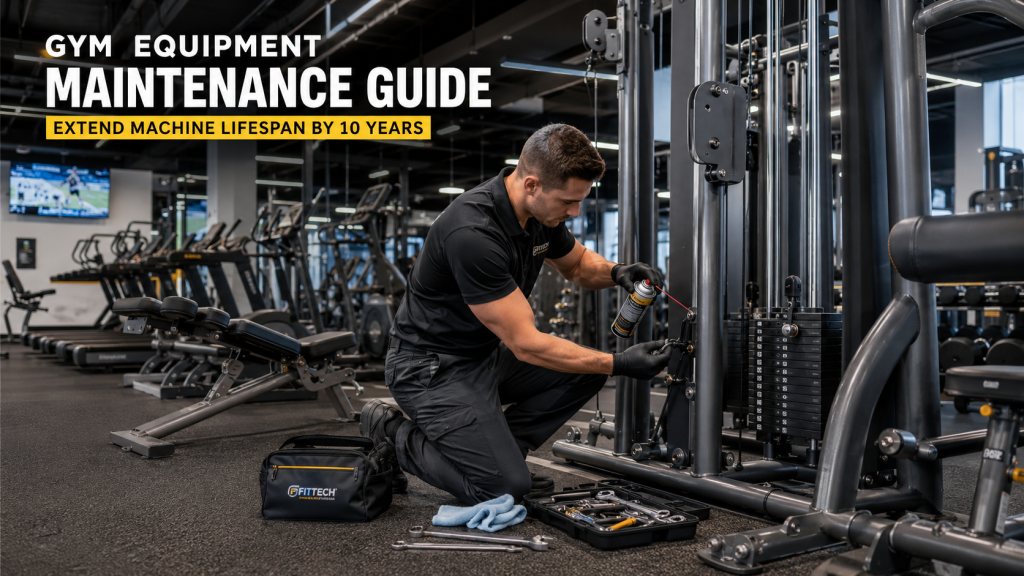
Lack of Lubrication
Moving parts generate friction constantly. Without lubrication:
- Bearings wear faster
- Cables degrade
- Resistance systems become rough
- Motors overheat
This is one of the most common maintenance failures in gyms.
Sweat and Moisture Exposure
Sweat is surprisingly destructive.
It contains salts and minerals that accelerate:
- Rust
- Corrosion
- Upholstery cracking
- Electronic damage
Cardio equipment is especially vulnerable.
Dust Accumulation
Dust doesn’t just make machines dirty.
Inside treadmills and cardio systems, dust can:
- Block airflow
- Overheat motors
- Damage control boards
- Reduce performance efficiency
Improper Usage
Machines designed by a professional gym machine manufacturer are engineered for proper biomechanics. Misuse accelerates wear dramatically.
Examples include:
- Dropping weight stacks
- Slamming selector pins
- Excessive overloading
- Incorrect treadmill use
Ignoring Small Problems
Most catastrophic failures begin as minor warning signs:
- Small squeaks
- Loose bolts
- Slight cable fraying
- Minor instability
Ignoring them allows damage to spread.
Daily Gym Equipment Maintenance Checklist
Daily maintenance creates the foundation for long equipment lifespan.
Here’s what experienced facilities prioritize every day.
Clean Equipment Thoroughly
Use non-corrosive disinfectants approved for fitness equipment.
Focus on:
- Handles
- Seats
- Consoles
- Touchscreens
- Weight pins
- Adjustment knobs
Avoid oversaturating electronic panels.
Inspect Cables and Belts
Look for:
- Fraying
- Cracks
- Uneven tension
- Exposed wires
Cable failures are dangerous and should never be ignored.
Listen for Unusual Sounds
Grinding, squeaking, or rattling often signals early mechanical problems.
Address them immediately.
Check Hardware Stability
Inspect:
- Bolts
- Screws
- Nuts
- Adjustment mechanisms
Heavy vibrations gradually loosen components.
Wipe Sweat Immediately
Sweat left overnight accelerates rust formation.
Encourage staff to clean equipment continuously throughout the day.
Weekly Maintenance Strategies That Prevent Expensive Repairs
Daily cleaning helps, but weekly maintenance is where serious equipment protection happens.
Lubricate Moving Components
Different machines require different lubricants.
Common lubrication points include:
- Guide rods
- Linear bearings
- Treadmill decks
- Pivot joints
- Pulley systems
Always follow manufacturer recommendations.
Over-lubrication can cause problems too.
Vacuum Inside Cardio Machines
Dust buildup inside treadmills and ellipticals is extremely common.
Use compressed air or vacuums carefully around:
- Motors
- Fans
- Circuit boards
This alone can significantly extend motor lifespan.
Tighten Structural Components
High-traffic gyms create constant vibration.
Check:
- Bench frames
- Machine bases
- Weight stack guides
- Adjustable arms
Loose hardware often leads to structural fatigue.
Inspect Upholstery
Small tears become major upholstery replacements quickly.
Repair minor damage early.
How Cardio Equipment Requires Different Maintenance
Cardio machines experience continuous motion and electrical stress.
That makes them maintenance-intensive.
Treadmills
Treadmills typically require the most maintenance.
Key areas:
- Belt alignment
- Deck lubrication
- Motor cooling
- Roller inspection
- Electrical diagnostics
Failure to lubricate treadmill decks properly can destroy motors prematurely.
Ellipticals
Ellipticals contain multiple moving joints.
Focus on:
- Arm pivots
- Pedal tracks
- Bearings
- Resistance systems
Loose elliptical joints worsen rapidly if ignored.
Exercise Bikes
Inspect:
- Pedal arms
- Resistance magnets
- Seat adjustments
- Belt drives
Spin bikes especially need regular tightening due to intense usage.
Rowing Machines
Rowers require:
- Rail cleaning
- Chain lubrication
- Resistance checks
- Foot strap inspections
Dust and sweat can damage resistance systems surprisingly fast.
Strength Equipment Maintenance Best Practices
Strength equipment usually lasts longer than cardio machines, but only when maintained properly.
Cable Machines
Cable systems require close attention.
Inspect:
- Cable tension
- Pulley rotation
- Weight stack alignment
- Guide rod cleanliness
Frayed cables must be replaced immediately.
Plate-Loaded Machines
Check:
- Weld integrity
- Pivot smoothness
- Handle grip wear
- Frame stability
Heavy impact training accelerates structural stress.
Free Weights
Dumbbells and barbells are often neglected.
Inspect for:
- Loose heads
- Bent bars
- Cracked rubber coating
- Rust formation
A damaged barbell can become a serious safety hazard.
Benches and Racks
Ensure:
- Stable footing
- Tight bolts
- Secure adjustments
- Intact padding
Power racks should receive regular structural inspections.
Why Choosing the Right Gym Equipment Manufacturer Matters
Maintenance starts before equipment even enters your facility.
Choosing the right Gym Equipment Manufacturer has a massive impact on long-term durability.
High-quality manufacturers typically provide:
- Better steel construction
- Superior weld quality
- Commercial-grade bearings
- Reliable electronics
- Easier replacement part availability
Cheaper machines may look attractive initially, but maintenance costs often become overwhelming later.
Experienced gym owners usually prioritize:
- Warranty coverage
- Service network access
- Spare parts availability
- Technical support
- Commercial durability ratings
A reputable fitness equipment manufacturer builds equipment designed for long-term commercial use rather than short-term affordability.
The Importance of Staff Training in Equipment Maintenance
Even the best maintenance system fails without proper staff involvement.
Your team should understand:
- Basic inspection routines
- Proper cleaning methods
- Warning signs of damage
- Emergency shutdown procedures
- Member misuse prevention
Many equipment problems worsen because staff members don’t report issues early enough.
Create a clear maintenance reporting process.
Simple systems work best:
- Maintenance logs
- QR reporting systems
- Daily inspection checklists
- Service tracking spreadsheets
Consistency matters more than complexity.
Common Maintenance Mistakes Gym Owners Make
Some maintenance mistakes are incredibly common across the fitness industry.
Using Harsh Cleaning Chemicals
Strong chemicals can damage:
- Upholstery
- Rubber grips
- Screens
- Protective coatings
Always use manufacturer-approved cleaning solutions.
Delaying Repairs
Owners sometimes postpone repairs to avoid short-term expenses.
That usually creates bigger repair bills later.
Ignoring Manufacturer Guidelines
Every gym machine manufacturer provides maintenance specifications for a reason.
Ignoring them shortens lifespan significantly.
Overlooking Environmental Conditions
Humidity, temperature, and airflow impact equipment durability.
Poor ventilation accelerates corrosion and electronic damage.
Reactive Instead of Preventive Maintenance
Waiting for equipment to fail is the most expensive maintenance strategy possible.
Preventive care always costs less long-term.
How Environment Affects Gym Equipment Lifespan
Environmental conditions quietly destroy equipment over time.
Humidity
High humidity accelerates:
- Rust
- Corrosion
- Electrical deterioration
Use dehumidifiers where necessary.
Poor Ventilation
Cardio equipment generates heat constantly.
Without proper airflow:
- Motors overheat
- Electronics degrade faster
- Dust accumulation worsens
Flooring Problems
Improper flooring increases equipment stress.
Rubber gym flooring helps:
- Reduce vibration
- Protect frames
- Minimize structural strain
Sunlight Exposure
Direct sunlight damages:
- Upholstery
- Plastic components
- LCD displays
Position equipment carefully.
Creating a Preventive Maintenance Schedule
The best gyms don’t rely on memory.
They use structured maintenance systems.
Build Equipment Categories
Separate equipment into groups:
- Cardio machines
- Strength machines
- Functional training equipment
- Free weights
Each category requires different maintenance frequency.
Assign Responsibilities
Clearly define:
- Daily cleaning responsibilities
- Weekly inspection duties
- Monthly servicing tasks
Avoid vague accountability.
Keep Maintenance Records
Track:
- Repairs
- Part replacements
- Inspection dates
- Technician visits
Good records help identify recurring problems early.
Schedule Downtime Strategically
Service equipment during low-traffic hours to minimize member disruption.
Signs Your Equipment Needs Immediate Attention
Some warning signs should never be ignored.
Visible Cable Damage
Frayed cables require immediate replacement.
Burning Smells
This often indicates motor or electrical issues.
Shut down equipment immediately.
Excessive Noise
Grinding or clunking sounds usually signal mechanical failure.
Unstable Frames
Movement or wobbling often means structural weakness.
Electronic Malfunctions
Flickering screens, inconsistent resistance, or sudden shutdowns require professional inspection.
When to Replace Instead of Repair Equipment
Not every machine should be repaired indefinitely.
Sometimes replacement is smarter financially.
Consider Replacement When:
- Repair costs exceed 50% of replacement value
- Parts become difficult to source
- Downtime becomes frequent
- Technology becomes outdated
- Structural integrity weakens
A reliable fitness equipment manufacturer usually offers long-term support, but every machine eventually reaches the end of its lifecycle.
The Hidden Financial Benefits of Proper Maintenance
Good maintenance doesn’t just save repair money.
It improves overall business performance.
Better Member Retention
Members leave gyms with constantly broken equipment.
Reliable equipment improves satisfaction and retention.
Lower Liability Risk
Safe equipment reduces legal exposure.
Stronger Online Reviews
Members frequently mention equipment quality in reviews.
Reduced Emergency Repairs
Emergency service calls are expensive and disruptive.
Preventive care minimizes unexpected breakdowns.
How Smart Gyms Use Technology for Maintenance
Modern fitness facilities increasingly use digital maintenance systems.
Popular tools include:
- QR inspection systems
- Maintenance management software
- Equipment usage tracking
- Digital service logs
Some advanced machines from leading Gym Equipment Manufacturer brands even include predictive maintenance alerts.
These systems identify issues before breakdowns occur.
Building Long-Term Relationships With Service Providers
Reliable service partners are invaluable.
Choose technicians who:
- Specialize in commercial fitness equipment
- Understand multiple equipment brands
- Offer preventive service plans
- Provide fast response times
The cheapest technician isn’t always the best choice.
Experience matters heavily in commercial fitness environments.
The Future of Gym Equipment Maintenance
The fitness industry is evolving rapidly.
Future maintenance trends include:
- AI-driven diagnostics
- IoT-connected machines
- Predictive maintenance software
- Remote equipment monitoring
- Automated servicing alerts
Leading gym machine manufacturer companies are already integrating smart diagnostics into commercial equipment.
This technology will dramatically reduce unexpected failures in the coming years.
Conclusion
Gym equipment maintenance isn’t glamorous.
Members rarely notice perfectly functioning machines because they expect them to work. But behind every successful gym is a disciplined maintenance strategy that protects equipment, improves safety, and extends machine lifespan for years beyond industry averages.
The difference between equipment lasting five years versus fifteen years usually comes down to consistent preventive care.
Daily inspections. Weekly servicing. Staff accountability. Proper cleaning. Fast repairs.
Small habits create massive long-term savings.
Whether you operate a boutique fitness studio or a large commercial facility, treating maintenance as a core business strategy rather than an occasional task changes everything. Equipment performs better, members stay happier, and operating costs remain far more predictable.
And when paired with machines from a trusted Gym Equipment Manufacturer, a strong maintenance system becomes one of the smartest long-term investments any fitness business can make.
FAQ Section
How often should gym equipment be serviced?
Commercial gym equipment should receive daily inspections, weekly maintenance checks, monthly technical evaluations, and annual professional servicing.
What is the average lifespan of commercial gym equipment?
High-quality commercial equipment can last 10-20 years with proper maintenance. Cardio machines generally require more frequent servicing than strength equipment.
Why do treadmill motors fail?
The most common causes include poor lubrication, dust buildup, overheating, and excessive usage without preventive maintenance.
How do gyms prevent rust on equipment?
Gyms reduce rust by cleaning sweat immediately, controlling humidity, improving airflow, and using proper cleaning products.
Should gym staff perform maintenance?
Staff should handle basic cleaning and inspections, but certified technicians should perform advanced servicing and repairs.
What is preventive maintenance for gym equipment?
Preventive maintenance involves regularly inspecting, cleaning, lubricating, and servicing equipment before failures occur.
How do I choose a reliable gym machine manufacturer?
Look for commercial-grade durability, warranty support, spare part availability, service network access, and proven industry reputation.
Can poor maintenance void equipment warranties?
Yes. Many manufacturers require documented maintenance to maintain warranty coverage.