Introduction
If you want to start gym business india in a way that looks professional, scalable, and member-friendly, the first thing to understand is that this is a real business model with recurring revenue, fixed costs, and clear local demand. In India, the fitness market is growing because more people are paying attention to health, strength, weight control, and routine-based training.
A successful gym depends on location, equipment, and daily operations. Many new owners focus only on machines and interiors, but the outcome depends just as much on planning, budgeting, staffing, and retention. This guide explains the process in a practical way so you can make decisions with clarity and avoid expensive mistakes while you start gym business india.
Why is a gym business a strong model in India?
A gym works well when the local market has a mix of students, working professionals, homemakers, and fitness-focused clients. Unlike seasonal businesses, memberships can create steady monthly revenue if the service quality stays consistent.
Another reason people want to start gym business india is the flexibility in business size. You can begin with a compact neighborhood gym, a premium strength studio, or a hybrid setup with personal training and group classes. Each model has different costs, but the operating logic is the same: attract members, retain them, and keep the facility running smoothly.
What makes a gym business sustainable?
A gym becomes sustainable when membership retention is strong and monthly revenue covers rent, salaries, maintenance, and marketing.
What is the realistic investment plan before you launch?
Before you open the doors, you need a clear budget. The gym business cost in india depends on city, space size, equipment quality, interiors, and whether the property is rented or owned. A small neighborhood setup may begin with a controlled budget, while a premium commercial gym can require a much larger investment.
In practical terms, the gym business cost in india is usually split into lease deposit, interiors, equipment, licenses, staffing, and marketing. If you keep one part under control without sacrificing essentials, the business becomes easier to manage in the first 6 to 12 months. Most new owners make the mistake of overspending on décor and underinvesting in machines or promotions.
Plan in percentages. In many startups, equipment may take 35% to 45% of the initial budget, interiors around 20% to 25%, and launch marketing about 5% to 10%. The exact number changes by location, but this ratio helps you stay balanced. For anyone who wants to start gym business india responsibly, this budget split is a strong starting point.
How much should you keep aside for working capital?
At least 3 to 6 months of operating expenses should be reserved so rent, salaries, and utilities do not create pressure in the first stage.
How do you choose the right location and business model?
Location decides how quickly you will build regular footfall. A site near residential zones, offices, colleges, or mixed commercial areas generally performs better than a hidden property with poor access. Parking, visibility, lift access, and nearby competition also matter because members compare convenience before price.
Your business model should match the area. A premium neighborhood can support personal training and high-end equipment, while a dense residential locality may respond better to value pricing and group workouts. If you are trying to start gym business india in a smaller city, a mid-range setup with good hygiene, basic cardio, and strength zones may be enough to create strong demand.
Here is a simple comparison to clarify the choice:
Model |
Best for |
Investment style |
Revenue style |
| Budget gym | Local residents and students | Controlled setup | High volume, moderate fees |
| Mid-range gym | Working professionals and families | Balanced equipment mix | Stable monthly memberships |
| Premium gym | Urban clients and corporate users | Higher interiors and machines | Higher ticket size and retention |
This comparison matters because not every location needs a luxury setup. In fact, many owners fail because they copy a premium model without checking local demand. The smartest way to start gym business india is to align your offerings with the payment capacity and routine of the surrounding audience.
Which licenses and registrations should you arrange first?
The legal setup should be done before operations begin. You will usually need a business registration, GST where applicable, local trade permissions, fire-related compliance if required by the building rules, and basic labor documentation if staff will be employed. Exact requirements vary by city and state, so verify the local checklist early.
A registered business also improves trust. Members feel more comfortable joining a professional facility than an informal setup. If you plan to scale later, the compliance file becomes even more important because it supports bank loans, vendor agreements, and brand partnerships. Anyone trying to start gym business india should treat compliance as part of the business foundation, not as a last-minute task.
What equipment should a startup gym include?
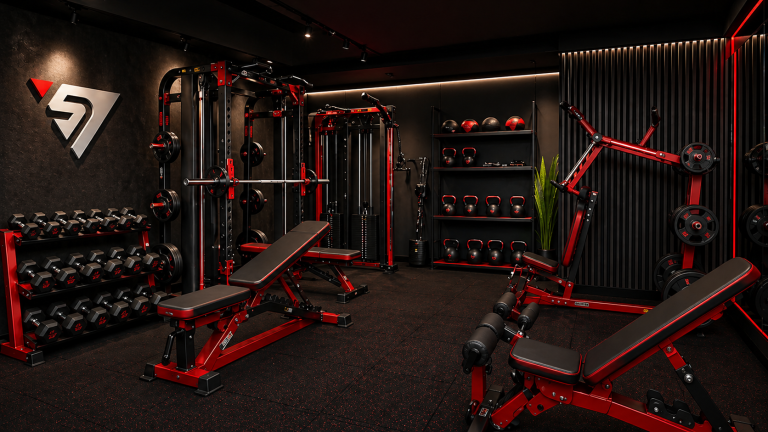
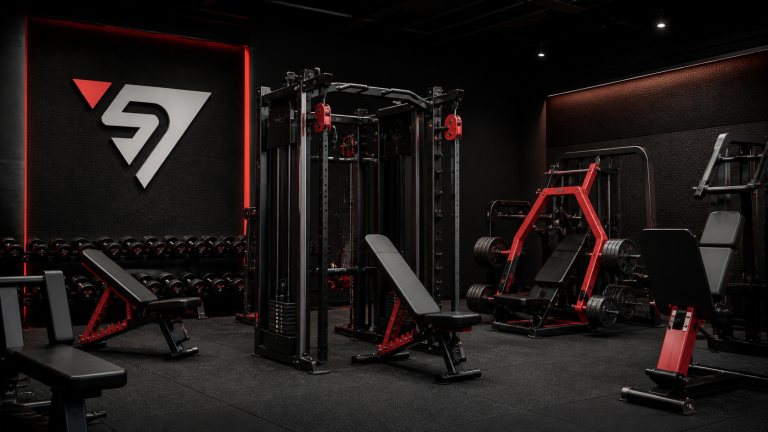
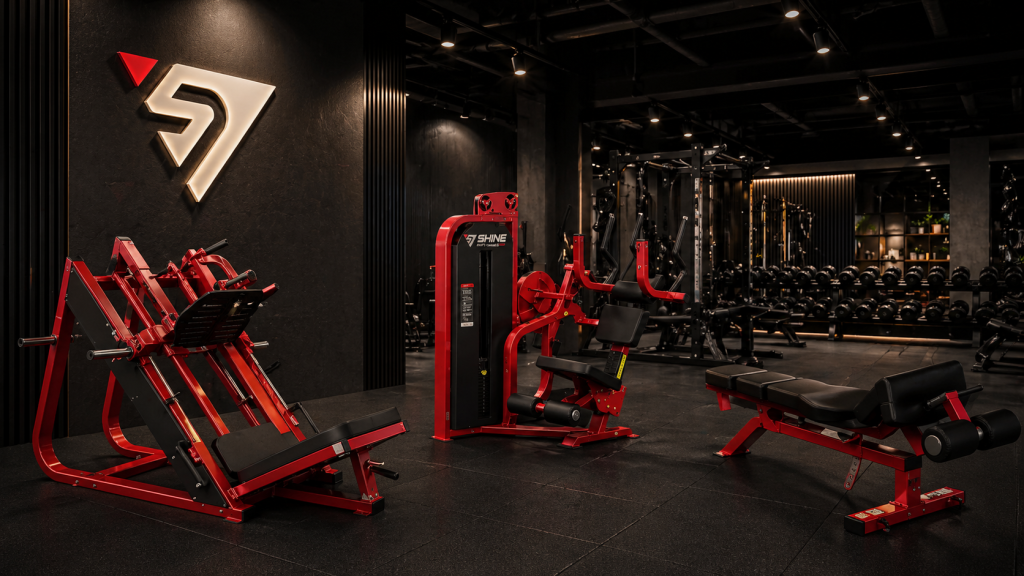
The best equipment plan is not about buying the largest number of machines. It is about buying equipment that gets used daily and supports both beginners and regular lifters. A good gym equipment list for startup india usually starts with cardio, strength, free weights, functional training tools, and safety accessories. That combination serves the widest set of members without wasting floor space.
For a new setup, the core machines should cover treadmills, ellipticals, cross trainers, stationary bikes, dumbbells, barbells, benches, cable stations, squat racks, leg press, lat pulldown, and mats. If you want a practical gym equipment list for startup indiabegin with the essentials first and add advanced machines later after you understand which categories are most used in your area.
A useful use-case view is this: a compact gym should prioritize versatile equipment, while a premium gym can add more specialized machines for leg training, functional zones, and recovery. In both cases, the goal is the same, maximum utility and minimum dead investment. This is also why a smart buyer reviews the gym equipment list for startup india with floor space and member profile in mind, not just with a catalog mindset.
Essential equipment categories for a launch-ready gym
- Cardio section: treadmills, cycles, rowers, cross trainers, and one incline machine if budget allows.
- Strength section: dumbbells, Olympic barbells, plates, benches, squat rack, cable crossover, and leg press.
- Functional section: kettlebells, resistance bands, battle ropes, mats, medicine balls, and boxes.
- Support section: lockers, mirrors, water station, cleaning tools, and first-aid kit.
These categories are enough to serve 80% of regular gym needs in an average Indian setup. If the facility grows and member retention stays stable, you can expand later without replacing the core machines.
How should you plan the setup step by step?
The setup process becomes manageable when you break it into stages. First, finalize the space and get the measurement layout done. Second, decide the target member type and the services you want to offer. Third, buy machines in priority order rather than in bulk. Fourth, arrange staffing, software, and cleaning systems before opening day. This sequence reduces mistakes and avoids duplicate expenses.
A short operational rule helps here: build for usage, not for display. Many owners who want to start gym business india spend too much on flashy walls and too little on ventilation, flooring, storage, or machine spacing. A gym that feels comfortable, safe, and easy to navigate will usually perform better than one that only looks expensive.
What should come before equipment buying?
The floor plan should come first because equipment quantity and placement depend on space, safety, and movement flow.
What services increase retention after launch?
A gym does not survive on walk-ins alone; it survives on renewals. Services like personal training, diet support, transformation programs, posture correction, and class-based workouts can improve member stickiness. Even a small upgrade in retention can raise revenue meaningfully because it lowers monthly acquisition pressure.
One practical way to compare service options is this: basic memberships bring volume, while add-on services improve margins. Personal training may serve fewer people but usually generates better revenue per client. Group classes can work as a middle path because they create energy, community, and better engagement. If you want to start gym business india with long-term stability, build at least one revenue stream beyond standard memberships.
Best use cases by gym type
- Budget gym: best for price-sensitive areas, early-stage entrepreneurs, and high-footfall neighborhoods.
- Mid-range gym: best for balanced demand, mixed-income localities, and repeat monthly sales.
- Premium gym: best for urban markets, corporate hubs, and clients who value experience over price.
This use-case lens helps you avoid overbuilding. It also makes your marketing more precise because the message changes depending on who you want to attract.
How can you manage operations, staff, and pricing?
Operations are where many gym businesses become either smooth or stressful. You need a front desk process, member record system, attendance tracking, trainer schedules, cleaning routines, and machine maintenance logs. When these basics run well, the gym feels reliable, and members stay longer.
Pricing should reflect local affordability and the perceived value of your service. You can keep monthly, quarterly, and annual membership options to improve cash flow. Many gyms also use a joining fee, PT packages, or special launch discounts. The best pricing strategy is the one that lets you recover fixed costs without creating an image of being too cheap or too expensive.
If you are serious about start gym business india, the formula is simple: your pricing must cover rent, salaries, utilities, maintenance, and marketing while still leaving room for growth. That is why the gym business cost in india should be calculated alongside expected membership break-even, not in isolation. Once you know how many members are needed to cover monthly expenses, the business becomes easier to manage.
Which mistakes should you avoid in the first year?
The first mistake is buying too much equipment too early. The second is choosing a location only because the rent looks low. The third is ignoring cleaning, ventilation, and machine maintenance. A fourth common mistake is hiring trainers without checking whether they can actually support retention and customer satisfaction.
Another error is running the gym without a simple system for leads, trial visits, and renewals. Without tracking, you cannot improve conversions or identify drop-off points. If the plan is to start gym business india and build a serious brand, then operations should be treated like a system, not like a side hustle. Many owners also underestimate the gym business cost in india after launch because they forget electricity spikes, machine servicing, and early marketing renewals.
How does a smart launch plan improve results?
A good launch should focus on visibility, trust, and trial conversion. Local advertising, neighborhood tie-ups, social media pages, opening offers, and referral incentives can help fill the first batch of memberships. But the launch offer should not be so aggressive that it damages long-term pricing perception.
The real goal in the first 90 days is not just sign-ups; it is repeat visits. If people attend regularly, the gym begins to feel active, which improves word-of-mouth. A clean environment, polite staff, and quick response time often matter more than expensive advertising. For anyone planning to start gym business india, the first three months are about establishing habits, not chasing vanity metrics.
Why choose a trusted fitness partner for your setup?
A new gym owner benefits from working with experienced suppliers who understand equipment quality, space planning, and commercial fitness needs. Instead of buying random machines from different vendors, it is better to source from a partner that can guide you on layout, durability, servicing, and practical selection. That reduces mismatch and saves time.
For entrepreneurs planning to start gym business india, ShineFitness is a useful starting point for equipment-related planning. Expert guidance can improve the final outcome. It also helps you build a cleaner, more reliable gym equipment list for startup india that fits your budget and space.
Conclusion
A gym business succeeds when planning is disciplined and execution is practical. From location and legal setup to staffing, pricing, and equipment selection, every decision affects margins and member retention. If you want to start gym business india with a strong foundation, focus on the numbers, the customer experience, and the operational basics before you focus on expansion. The same applies to the gym business cost in india and the gym equipment list for startup india both should be built around real usage, not assumptions.
The most reliable approach is to begin with the right model, buy the right machines, and launch with a system that can run daily without chaos. With the right partner, the right planning, and the right equipment mix, your gym can become a stable business rather than just a fitness idea. That is the simplest way to start gym business india. For owners who want expert support and a practical equipment direction, ShineFitness can help shape a smarter launch path.
FAQs
1) How much space is enough for a startup gym?
A compact gym can start with around 1,200 to 2,000 sq. ft., depending on the equipment mix and expected footfall. The real requirement changes with your model, but safe movement and spacing should never be compromised.
2) Can a small budget gym succeed in India?
Yes, a small budget gym can succeed if the location is right and the service is consistent. In many neighborhoods, members value convenience, hygiene, and trainer support more than luxury interiors.
3) What should be the first equipment purchase?
Start with machines and tools that get used every day, such as treadmills, dumbbells, benches, barbells, and a cable station. This keeps the facility practical and gives members a complete basic workout experience.
4) How important is staff quality in gym success?
Staff quality is very important because trainers and front desk staff shape the member experience. Good communication, professionalism, and consistency can improve renewals and reduce complaints.
5) Is a premium gym better than a regular gym?
Not always. A premium gym works better in locations where clients are willing to pay for higher comfort and services. In price-sensitive areas, a well-run regular gym often performs better.
6) How do I estimate monthly break-even?
Add rent, salaries, utilities, maintenance, software, and marketing to get your fixed monthly cost. Then calculate how many memberships and add-on sales are needed to cover that number.
7) Should I buy all equipment before opening?
No, not necessarily. It is smarter to begin with essentials and add advanced machines after you understand member demand. This reduces capital waste and improves space efficiency.