Introduction: Why the Right Cable Machine Changes Everything
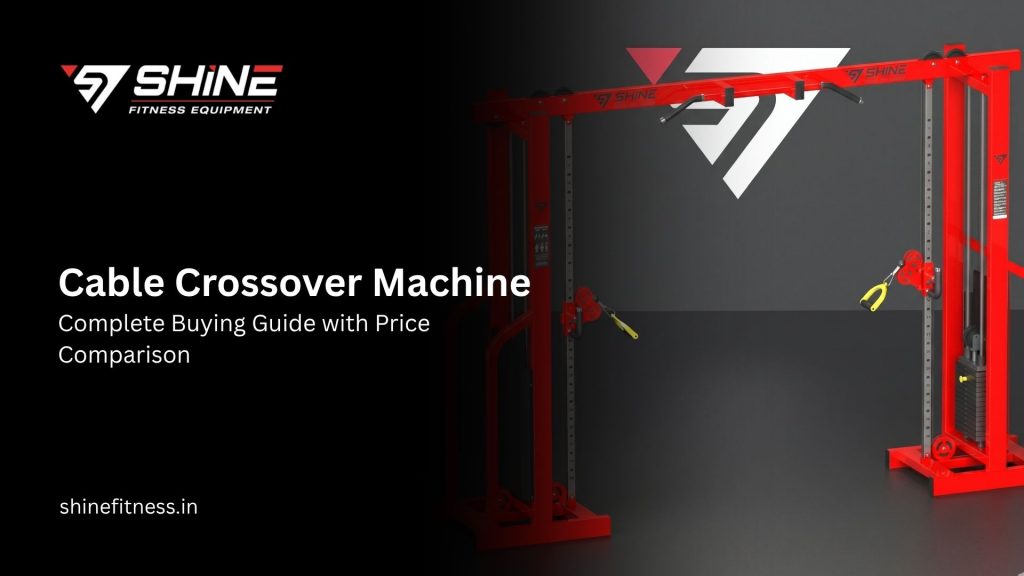
If you are setting up a commercial gym or upgrading an existing facility, the Cable Crossover Machine is one piece of equipment you simply cannot overlook. It is one of the most versatile, highest-usage machines in any gym used by beginners for chest flys, by athletes for functional strength training, and by rehabilitation clients for controlled resistance work. Few pieces of equipment cover as many muscle groups or accommodate as wide a range of users.
But with so many options now available ranging from basic single-stack models to heavy-duty dual-stack commercial units choosing the right cable crossover is not as straightforward as it used to be. Price matters. But so does build quality, weight stack capacity, pulley system design, cable durability, and long-term maintenance needs.
This guide breaks all of it down clearly. Whether you are buying your first machine or comparing upgrades for a growing fitness center, you will find the practical information you need here.
What Is a Cable Crossover Machine and Why Does It Matter?
Before comparing prices and specifications, it helps to understand what separates a cable crossover from other resistance equipment and why it earns such a prominent place in commercial gym floor plans.
A cable crossover machine uses a pulley system with adjustable cables and weight stacks to deliver constant tension throughout an exercise. Unlike free weights or plate-loaded machines, cables maintain resistance across the full range of motion. That makes them exceptional for:
- Chest and shoulder isolation exercises like cable flys and front raises
- Back and arm training including rows, curls, and tricep pushdowns
- Core and functional movement training with rotational and diagonal patterns
- Rehabilitation and corrective exercise where controlled, guided resistance matters
- Athletic performance training that requires multi-directional force application
The adjustable height of the pulleys is what makes the machine truly versatile. A single well-built dual-stack cable crossover can replace several specialized machines which is exactly why gym owners consider it a core investment rather than an optional add-on.
Types of Cable Crossover Machines
Not all cable machines are the same, and understanding the different types helps you match the right unit to your facility's needs and budget.
Single Stack vs. Dual Stack
Single stack cable machines have one weight stack and one pulley, limiting the number of users and exercise options at one time. They work well for smaller studios, personal training spaces, or home gyms where traffic is low.
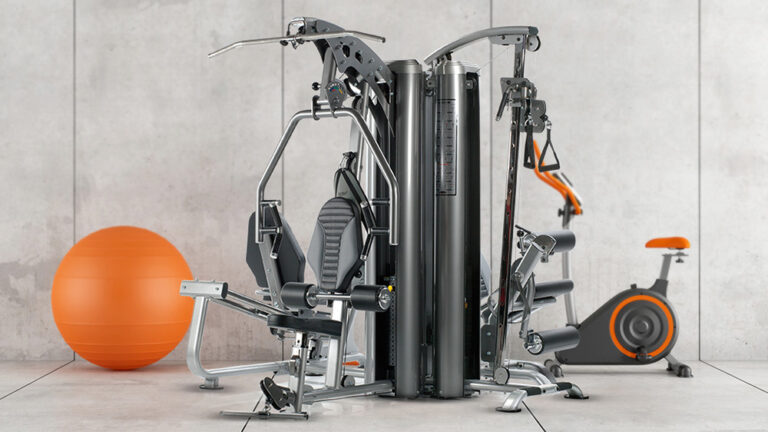
Dual stack cable crossovers have two independent weight stacks on either side of a central frame, allowing two users to train simultaneously or one user to perform true crossover movements. For commercial gyms, the dual-stack design is the standard choice.
Functional Trainers
Functional trainers are a compact variation of the cable crossover concept. They typically feature two adjustable pulleys on a narrower frame, making them ideal for:
- Smaller commercial gyms with limited floor space
- Personal training studios
- Hotel gyms and corporate wellness centers
- Home fitness rooms
They offer slightly fewer exercise variations than a full cable crossover, but their space efficiency makes them extremely popular in modern gym setups.
Plate-Loaded Cable Machines
Some commercial-grade machines use weight plates rather than enclosed weight stacks. These tend to be more durable for extremely heavy training and are popular in performance centers and powerlifting facilities. They generally require more floor space and offer less convenience for users who prefer quick weight adjustments.
Key Specifications to Compare Before Buying
When comparing cable crossover machines whether from a local supplier or a specialized manufacturer these are the specifications that matter most.
Weight Stack Capacity
For commercial use, a weight stack of at least 150 lbs (approximately 68 kg) per side is a reasonable starting point. High-traffic commercial gyms often benefit from stacks of 200 lbs or more per side. Heavier stacks serve a wider range of users and reduce the likelihood of advanced athletes reaching the stack limit.
Cable and Pulley Quality
The cable system is where many lower-priced machines cut corners. Look for:
- Aircraft-grade steel cables with a rated breaking strength well above the working load
- Sealed or shielded ball-bearing pulleys for smooth, quiet operation
- High cable-to-pulley ratio (often 2:1 or 4:1) that affects how smooth the resistance feels
- Corrosion-resistant coatings on cables exposed to sweat environments
Poor-quality pulleys are one of the most common sources of maintenance issues in cable machines. Upgrading this component during the purchase decision saves significant service costs later.
Frame Construction and Steel Grade
Commercial cable crossovers should use heavy-gauge steel typically 11-gauge or heavier for the main frame. Thinner steel reduces weight and cost but also reduces durability, especially under high daily usage. Look for:
- Solid welded construction rather than bolted joints where possible
- Powder-coated finish for corrosion resistance
- A wide, stable base footprint to prevent tipping under load
Weight Stack Guide Rods
Guide rods control how smoothly the weight plates travel. Chromed or stainless-steel rods with minimal clearance deliver the cleanest movement. Rough or loose guide systems create a "clunky" feel that users notice immediately and that accelerates wear over time.
Adjustable Pulley Range
The height range of the pulley adjustment affects how many exercises the machine can accommodate. A wider range ideally from floor-level to above head height, gives users and trainers more options and extends the machine's utility across different training programs.
Cable Crossover Machine Price Ranges: What to Expect
Price is often the first question gym buyers ask, and it's reasonable to want a clear picture before committing. The range is broad and for good reason, since quality, capacity, and features vary significantly across price tiers.
Entry-Level (Home and Light Commercial Use): $500 to $1,500
Machines in this range are generally built for home gyms or light-use studio environments. They typically feature:
- Single or dual 100-150 lb weight stacks
- Basic pulley systems with limited adjustment
- Lighter frame construction
- Shorter warranty coverage
These are not suitable for high-traffic commercial environments. Under daily multi-user conditions, entry-level machines wear out quickly and often become unreliable within a year or two.
Mid-Range (Light Commercial to Commercial): $1,500 to $4,000
This tier covers a wide range of functional trainers and mid-grade dual-stack cable crossovers suitable for smaller commercial facilities, boutique studios, and hotel gyms. Expect:
- 150-200 lb weight stacks per side
- Improved pulley and cable quality
- Heavier frame construction
- Better warranty terms (typically 2-5 years on frame)
For a gym with moderate daily usage and a clear maintenance schedule, this range offers strong value.
Commercial Grade (High-Traffic Facilities): $4,000 to $10,000+
This is where purpose-built commercial cable crossovers live. Machines at this level are engineered specifically for high daily usage and long service life. Features typically include:
- 200-300 lb weight stacks per side
- Aircraft-grade cable systems and sealed bearing pulleys
- Heavy-gauge steel frames with full-perimeter welding
- Extensive exercise station options and accessory attachment points
- Comprehensive warranties of 5-10 years on frames
- Manufacturer support for parts and service
For a gym expecting heavy daily traffic multiple users per machine across 12-16 operating hours this is the appropriate investment range.
How Gym Equipment Manufacturers Approach Commercial Quality
The gap between budget and commercial-grade machines comes down to how Gym Equipment Manufacturers design, test, and build their products. Understanding what separates serious manufacturers from lower-cost assemblers helps buyers make more confident decisions.
Engineering and Load Testing
Commercial equipment manufacturers design machines to meet or exceed recognized safety and durability standards including ISO and ASTM testing protocols where applicable. This involves:
- Finite element analysis (FEA) to stress-test frame designs digitally before physical production
- Physical load testing well beyond the rated maximum to establish meaningful safety margins
- Cycle testing that simulates years of use to identify wear points before a product reaches market
Manufacturers who skip these steps produce equipment that may look comparable on paper but fails under real-world commercial conditions.
Material Sourcing and Quality Control
Reputable manufacturers maintain strict quality control over incoming materials. Steel grade, cable specification, upholstery density, and hardware quality are verified at receiving not assumed. Factories with in-house QC processes catch defects before they leave the production floor, reducing the frequency of warranty claims and the damage caused to a gym's reputation when equipment fails.
Customization for Commercial Buyers
Many serious manufacturers offer customization options that matter to gym owners:
- Custom color finishes to match a facility's branding
- Logo or branding application on frames and upholstery
- Adjustable weight stack configurations for different market requirements
- Cable length and attachment customization for specialized training environments
These options are particularly important for gym chains, hotel fitness centers, and corporate wellness facilities that want a consistent, branded look across all locations.
Why India Has Become a Major Hub for Fitness Equipment Production
Global buyers including gym chains, equipment distributors, and fitness entrepreneurs are paying increasing attention to sourcing from a Gym Machine Manufacturer in India. There are practical reasons for this shift that go beyond cost.
Competitive Pricing Without Sacrificing Quality
India's manufacturing sector has matured considerably in the fitness equipment space. Skilled engineering teams, competitive labor costs, and growing domestic steel production have created conditions where manufacturers can deliver commercial-grade quality at significantly lower price points than equivalent Western manufacturers.
For gym owners and distributors looking to maximize equipment budget without compromising on durability or safety, Indian manufacturers now offer genuinely compelling options.
Export-Ready Manufacturing Standards
Leading Indian fitness equipment manufacturers have invested in international certifications and quality management systems including ISO 9001 compliance to meet the expectations of export markets in Europe, the Middle East, Southeast Asia, and North America. This means international buyers are not making a compromise when they source from India; they are accessing equipment built to recognized global standards.
Growing Range of Product Lines
India's fitness equipment manufacturers have expanded well beyond basic strength equipment. Today, buyers can source:
- Full lines of commercial strength equipment including cable machines, functional trainers, and plate-loaded systems
- Cardio equipment including treadmills, ellipticals, and rowing machines
- Customized gym flooring, racks, and accessories
- Full gym setup planning and project support
This breadth makes it practical for gym owners and distributors to consolidate sourcing with a single capable manufacturer rather than managing multiple suppliers.
What to Look for in a Long-Term Equipment Partner
Buying a cable crossover machine is not just a product decision it is a supplier relationship decision. For commercial buyers especially, the manufacturer or distributor you choose will affect your business for years through warranty support, parts availability, and future purchases.
When evaluating suppliers, consider:
- Years of experience in commercial fitness equipment specifically
- References or case studies from comparable gym facilities
- Spare parts availability and realistic lead times for common components
- Technical support quality and responsiveness
- Warranty terms in plain, clear language not buried in exclusions
- Ability to scale with your business as you open additional locations or expand product lines
A manufacturer that treats you as a partner rather than a one-time transaction is worth more than a marginally lower per-unit price.
Installation, Maintenance, and Long-Term Care
Even the best cable crossover machine requires proper installation and routine maintenance to deliver its full-service life. This is an area many gym buyers underestimate until problems appear.
Installation Considerations
- Confirm the floor can handle the machine's weight and operational loads
- Ensure adequate ceiling clearance for overhead cable positions
- Anchor the machine according to manufacturer specifications to prevent movement under load
- Plan for cable routing and pulley alignment during assembly
Routine Maintenance Schedule
A simple but consistent maintenance routine extends the life of any cable machine significantly:
- Weekly: Wipe down cables, check for fraying, inspect pulley alignment
- Monthly: Lubricate guide rods, check all bolts and connections for tightness
- Quarterly: Inspect cables for internal wear, test pulley smoothness under load, check weight stack pins
- Annually: Full inspection including cable replacement assessment, frame integrity check, upholstery condition review
Cables are a wear item and should be replaced on a schedule rather than waiting for failure especially on high-traffic commercial machines where an unexpected cable break creates safety and liability risks.
Conclusion
A cable crossover machine is one of the highest-value investments a gym owner can make. It serves more users, covers more muscle groups, and accommodates more training styles than almost any other single piece of equipment. But the return on that investment depends entirely on buying the right machine with the right build quality, the right specifications for your facility's traffic level, and support from the right supplier.
For gym owners and fitness businesses sourcing equipment at scale, working with established Gym Equipment Manufacturers who prioritize engineering quality, material standards, and long-term support makes a meaningful difference. And for those looking to stretch their equipment budget further without stepping down in quality, partnering with a leading Gym Machine Manufacturer in India gives access to commercial-grade equipment at genuinely competitive prices.
At [Your Business Name], we are committed to helping gyms, fitness studios, distributors, and health facilities find the right equipment for their specific needs and budgets. If you are ready to compare cable crossover options, request a quote, or discuss a full gym setup, reach out to our team today. We are here to help you build something great.
Frequently Asked Questions
1. What is the difference between a functional trainer and a full cable crossover machine?
A functional trainer is a compact version of the cable crossover concept, typically featuring two adjustable pulleys on a narrower frame. It works well for smaller spaces and personal training environments. A full cable crossover is larger, often has heavier weight stacks, and accommodates a wider range of exercises and users simultaneously making it the better choice for commercial gyms with higher daily traffic.
2. How much should a commercial gym budget for a quality cable crossover machine?
For a machine built to handle high daily usage in a commercial gym environment, budgeting between $4,000 and $8,000 is generally appropriate. Machines below this range may be suitable for lighter use but are typically not engineered to hold up under the demands of a busy commercial facility without frequent maintenance or early replacement.
3. How often do cables need to be replaced on a commercial cable machine?
In a high-traffic commercial gym, cable replacement is typically recommended every 12 to 24 months depending on usage volume and maintenance practices. Regular inspection for fraying, kinking, or stiffness will help identify cables that need replacement before failure. Using quality aircraft-grade cables from the outset reduces replacement frequency and safety risk.
4. Can cable crossover machines be customized for commercial gym branding?
Yes: many commercial fitness equipment manufacturers offer customization options including powder-coat color matching, logo application on frames and upholstery, and custom weight stack configurations. This is particularly useful for gym chains, franchise operations, or corporate wellness centers that want consistent branding across multiple locations.
5. What maintenance tasks can gym staff handle in-house, and when should a technician be called?
Gym staff can reasonably handle routine cleaning, lubrication of guide rods, bolt-tightness checks, and visual cable inspections. Tasks that require a trained technician include cable replacement, pulley bearing replacement, structural weld inspections, and any repairs involving the weight stack mechanism. Attempting these in-house without proper training can create safety risks and void warranty coverage.
6. Is sourcing gym equipment from India a reliable option for international buyers?
Yes - India's fitness equipment manufacturing sector has grown significantly in both capacity and quality. Leading manufacturers hold international certifications, use commercial-grade materials, and have established export processes for buyers in Europe, the Middle East, Southeast Asia, and beyond. As with any supplier, international buyers should request references, review warranty terms, and confirm spare parts availability before committing to a large purchase.
7. What weight stack capacity is recommended for a commercial gym cable crossover?
For most commercial gym environments, a minimum of 150 lbs (approximately 68 kg) per side is a practical starting point. Facilities that serve a higher proportion of experienced or advanced users including athletic training centers, performance gyms, or strength-focused clubs should consider 200-300 lbs per side to ensure the machine serves the full range of their membership without limitations.
8. How do I evaluate whether a manufacturer's warranty is genuinely useful?
Look beyond the warranty duration and read the actual coverage terms. Key questions include: Does the warranty cover labor as well as parts? Are there exclusions for normal wear items like cables and upholstery? What is the process for making a claim, and how quickly does the manufacturer respond? Is there a local or regional service network, or would all repairs require shipping? A long warranty with broad exclusions is often worth less in practice than a shorter warranty with clear, honest coverage.