Choosing the right multi-gym station is one of the biggest decisions a fitness business can make, and working with the right gym equipment manufacturer can shape the success of your entire facility. As more people focus on health and strength training, the demand for reliable, well-built gym machines keeps rising every year. Gym owners, distributors, and commercial buyers are no longer just looking for cheap equipment. They want machines that are safe, durable, and able to handle heavy daily use without breaking down. In this competitive market, picking between a 4-station and an 8-station multi-gym is not a small choice. It affects your budget, your floor space, your member experience, and your long-term growth. This guide will walk you through everything you need to know so you can make a smart and confident decision.
Why Multi-Gym Stations Matter in Modern Fitness
Multi-gym stations have become a core part of both commercial gyms and home fitness setups. They allow multiple users to train different muscle groups in one connected unit. For gym owners, this means saving space while still offering a complete strength training experience.
The fitness industry has changed a lot over the past decade. People want results, but they also want comfort and safety. A good multi-gym station gives users the chance to train in a structured way without needing dozens of separate machines. This is why so many gyms now build their strength training zones around these stations.
Here is why multi-gym stations are so popular today:
- They save valuable floor space in busy gyms.
- They let several members train at the same time.
- They offer guided movements that lower injury risk.
- They suit beginners and advanced users alike.
- They reduce the total cost compared to buying many single machines.
Understanding the 4-Station Multi-Gym
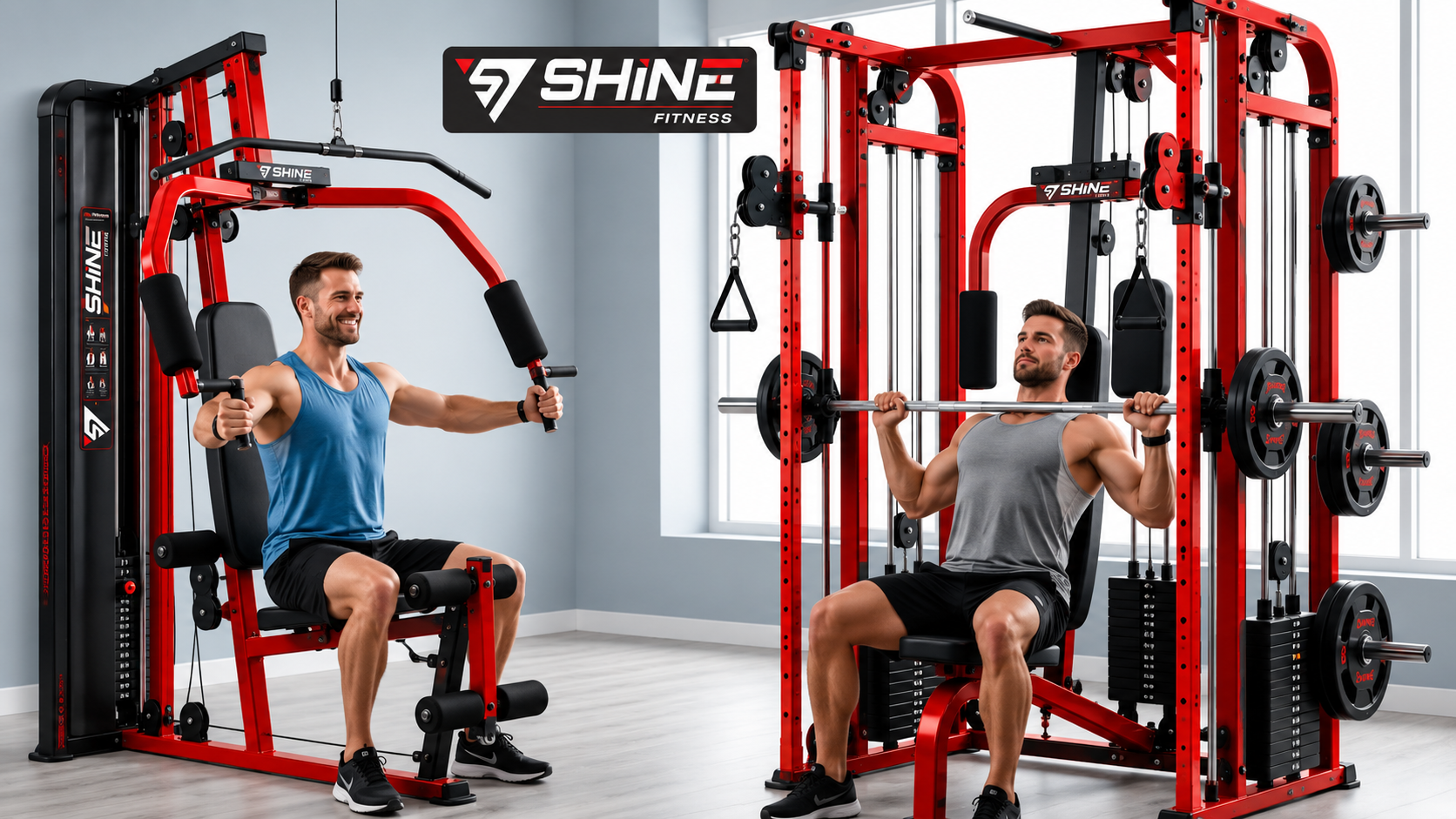
A 4-station multi-gym is designed to support up to four users at once. It usually includes core training options like a chest press, lat pulldown, leg developer, and a cable or pulley system. This setup works well for smaller gyms, studios, hotels, apartment fitness rooms, and growing fitness centers.
The main strength of a 4-station unit is balance. It gives you enough variety to cover key muscle groups without taking up too much space. For many new gym owners, this is a practical starting point that keeps the budget under control.
Best Use Cases for a 4-Station Unit
The 4-station model is a strong choice in several situations:
- Boutique gyms and small studios with limited square footage.
- Hotel and residential gyms that serve a steady but smaller group.
- Corporate fitness rooms where space and budget are tight.
- New fitness businesses testing the market before expanding.
A 4-station station still delivers a full-strength workout. It simply does so on a smaller scale. For buyers who want quality without overspending, this option keeps things simple and effective.
Understanding the 8-Station Multi-Gym
An 8-station multi-gym is built for higher traffic and larger facilities. It supports up to eight users training at the same time and usually includes a wider mix of exercises. You might find chest press, shoulder press, leg extension, leg curl, lat pulldown, rowing functions, and several cable positions all in one large frame.
This setup is ideal for busy commercial gyms, large fitness chains, universities, and sports training centers. When many members arrive during peak hours, an 8-station unit helps reduce waiting time and keeps the floor moving smoothly.
Best Use Cases for an 8-Station Unit
The 8-station model fits well in demanding environments:
- High-traffic commercial gyms with large memberships.
- University and college recreation centers.
- Sports clubs and athletic training facilities.
- Established gyms planning long-term growth and higher capacity.
While the upfront cost is higher, an 8-station unit often pays off through better member satisfaction and stronger retention. Members who never wait for equipment are members who stay longer.
4-Station vs 8-Station: Key Comparison Factors
Choosing between these two options depends on more than just price. You need to look at your space, your members, and your future plans. Below are the main factors to weigh.
Space and Layout
Floor space is one of the biggest deciding points. A 4-station unit has a smaller footprint and fits comfortably in tight rooms. An 8-station unit needs more open area, not just for the frame but also for safe movement around it.
Before buying, measure your space carefully and plan walkways. Crowded layouts feel uncomfortable and can even create safety risks. A trusted manufacturer can often help with layout planning so the equipment fits your room properly.
Capacity and Member Flow
Think about how many people use your gym during peak hours. A small studio may never need eight stations at once. A busy commercial gym, on the other hand, can lose members if people wait too long for machines.
- Choose a 4-station unit if your peak crowd is small to medium.
- Choose an 8-station unit if you regularly see heavy traffic.
- Always plan for growth, not just current numbers.
Budget and Long-Term Value
A 4-station unit costs less upfront, which helps new businesses manage cash flow. An 8-station unit requires a bigger investment but can serve more members for years.
The smart way to think about this is long-term value. Strong, well-engineered equipment lasts longer and needs fewer repairs. Cheap equipment may save money today but cost far more in maintenance and replacement later.
What to Expect From a Quality Fitness Equipment Manufacturer
The brand and build quality behind your multi-gym matter just as much as the size. A reliable fitness equipment manufacturer focuses on safety, durability, and smart engineering. These are the things that protect your investment and your members.
When you compare suppliers, look closely at how their machines are made, not just how they look in a catalog.
Durability and Safety Standards
Commercial gym equipment goes through heavy daily use. It must handle constant pulling, pushing, and pressing without weakening over time. This is why durability and safety standards are so important.
Good manufacturing includes:
- Heavy-gauge steel frames that resist bending and wear.
- Smooth, sealed pulleys and cables rated for high cycles.
- Strong welds and protective coatings against rust and damage.
- Safety stops and guards that protect users during lifts.
- Stable bases that prevent tipping under heavy loads.
A machine that meets strict safety standards keeps users comfortable and lowers the risk of accidents. For any gym owner, this directly affects reputation and trust.
Material Quality and Engineering
Material quality is the foundation of any good machine. The steel, padding, cables, and bearings all play a role in how long the equipment lasts and how it feels to use.
Modern engineering also improves the user experience. Well-designed movement paths feel natural and reduce strain on joints. Quality padding adds comfort during long sessions. These small details keep members happy and coming back.
Innovation and Manufacturing Technology
The fitness industry keeps moving forward, and so does manufacturing technology. Today many machines are built with precise cutting, robotic welding, and advanced testing systems. This leads to better consistency and stronger products.
Innovation also shows up in design. Newer multi-gyms offer smoother resistance, adjustable seats, and clearer instruction guides. Some even include digital tracking features. These upgrades match modern fitness trends and help gyms stay competitive.
Customization Options for Your Multi-Gym Station
Every gym is different, so flexibility matters. A strong gym equipment supplier often gives buyers the chance to customize their multi-gym station to fit their brand and space.
Common customization options include:
- Choosing specific exercise stations based on your members’ needs.
- Selecting frame colors and upholstery to match your branding.
- Adjusting weight stack sizes for different user strength levels.
- Adding your gym logo for a professional, branded look.
- Picking layout shapes that fit unusual room designs.
Customization helps your gym stand out. It also makes sure you are not paying for stations or features your members will never use. When equipment matches your real needs, every dollar works harder.
Cardio and Strength: Building a Balanced Gym
While this guide focuses on multi-gym strength stations, a complete gym also needs cardio. Cardio equipment manufacturing has improved a lot, with treadmills, bikes, and ellipticals now built for both performance and comfort.
A balanced gym layout usually pairs strength stations with a solid cardio zone. This gives members a full training experience and supports better results. When planning your space, think about how your multi-gym fits next to your cardio area for smooth member flow.
A well-rounded gym tends to attract more members because it serves more goals, from weight loss to muscle building to general health.
Maintenance and Long-Term Care
No matter which station you choose, regular maintenance keeps your equipment safe and running well. Good care also protects your long-term investment value.
Simple maintenance habits include:
- Checking cables and pulleys often for wear or fraying.
- Tightening bolts and fittings on a set schedule.
- Cleaning pads and surfaces to keep them hygienic.
- Lubricating moving parts as recommended by the maker.
- Replacing worn parts quickly before they cause bigger problems.
A quality manufacturer usually provides clear maintenance guides and reliable spare parts. This support makes the long-term ownership experience much smoother for gym owners.
Making the Right Buying Decision
By now, the choice between a 4-station and an 8-station unit should feel clearer. The right answer depends on your space, your members, your budget, and your growth plans.
A few final tips can help you decide:
- Start with your real peak-hour traffic, not guesses.
- Plan for the next three to five years of growth.
- Focus on build quality over the lowest price.
- Choose a supplier that offers support and spare parts.
- Pick equipment that matches your members’ fitness goals.
The goal is not just to fill a room with machines. The goal is to build a gym that members trust and enjoy. The right multi-gym station, made by the right partner, supports that goal for many years.
Conclusion
Buying a multi-gym station is a long-term decision that shapes your member experience and your business growth. A 4-station unit is a smart, space-saving choice for smaller gyms and new fitness businesses, while an 8-station unit serves busy commercial facilities that need higher capacity. The right choice depends on your space, traffic, and future plans. Whatever size you choose, build quality should always come first. Working with a trusted gym equipment manufacturer ensures your machines are safe, durable, and ready for years of daily use. A dependable gym equipment supplier can also guide you on layout, customization, and long-term care. As demand keeps rising, partnering with an experienced fitness equipment manufacturer is one of the best ways to protect your investment and grow with confidence. At Shine Fitness Equipment’s, we help gyms build stronger, safer, and smarter training spaces. Contact us today to find the perfect multi-gym station for your facility.
FAQs
1. What is the main difference between a 4-station and an 8-station multi-gym?
The main difference is capacity and size. A 4-station unit supports up to four users and fits smaller spaces, while an 8-station unit supports up to eight users and suits busy commercial gyms. Your choice should match your peak traffic and available floor space.
2. Is an 8-station multi-gym worth the higher cost?
For high-traffic gyms, yes. An 8-station unit reduces waiting time, improves member satisfaction, and supports long-term growth. While the upfront cost is higher, better retention and durability often make it a strong long-term investment.
3. How much space do I need for a multi-gym station?
Space needs depend on the model and the number of stations. You must plan for the frame plus safe walkways around it. Always measure your room first, and ask your supplier for layout help to avoid crowded or unsafe setups.
4. Can I customize my multi-gym station?
Yes, many manufacturers offer customization. You can often choose specific stations, weight stack sizes, frame colors, and upholstery. Some suppliers also add your logo. Customization helps the equipment match your branding and your members’ real training needs.
5. How do I know if a multi-gym is durable enough for commercial use?
Look for heavy-gauge steel frames, strong welds, sealed pulleys, and high-cycle cables. Commercial machines must handle constant daily use. A quality manufacturer will share clear material details and safety standards so you can buy with confidence.
6. How often should multi-gym equipment be maintained?
Basic checks should happen weekly, with deeper inspections monthly. Check cables, tighten bolts, clean pads, and lubricate moving parts. Regular maintenance protects user safety, extends equipment life, and keeps your gym running smoothly.
7. Which option is better for a new gym business?
A 4-station unit is often better for new gyms. It keeps costs lower, fits smaller spaces, and still offers a full-strength workout. As your membership grows, you can expand with more equipment or upgrade later.