When someone enters a gym today, they often look around to see what kind of machines the place offers. People want variety, and they want machines that feel natural to use. This is why the functional trainer became such a popular choice in modern training areas. It gives so many movement options that members can switch exercises without leaving the machine. But choosing the right one is not simple, because every design works a little differently. Gym owners must look at many small details before they spend money on one.
Some people think all functional trainer machines are the same just because the frame looks similar. But once you begin pulling the cables or adjusting the pulleys, you feel a huge difference between models. Some feel stiff, some feel too light, and some shake slightly. So picking the right version takes patient checking.
Start by Testing the Smoothness of the Cable Movement
The first thing anyone feels on a functional trainer is the cable. If the cable moves rough or jerks at any point, the whole exercise becomes uncomfortable. Smooth motion depends on the pulley angle, the bearings, and the quality of the cable coating.
Newer machines improved this a lot. When you pull, the cable follows your hand without dragging. This matters because people use this machine for dozens of movements—rows, presses, curls, rotations—and each movement needs steady flow. A gym owner must check this first because it affects the experience of every member who uses it.
Frame Strength Must Hold Up Under Heavy Daily Use
Many people do not realise how much pressure goes into a functional trainer. People often train fast with heavy resistance. If the frame is weak, the machine shakes over time. A strong frame stays still, even during powerful movements.
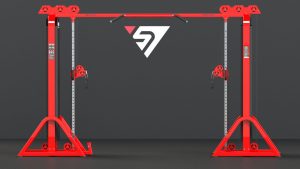
A good machine uses thick steel tubes, and the base stands wide enough to stay planted. Some designs from a gym equipment manufacturer reinforce the bottom corners, which helps keep stability even after years of use. A weak frame becomes trouble later, so owners should not ignore this.
Check the Adjustability Range of the Pulley System
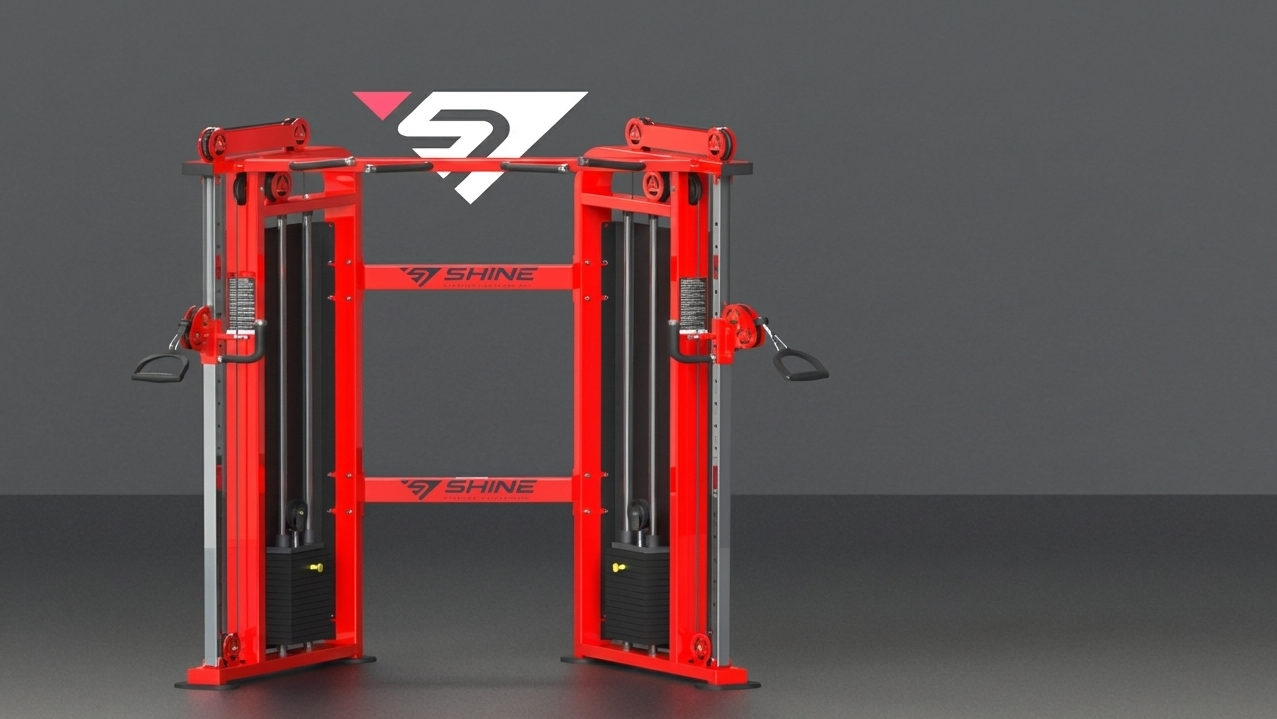
One of the biggest advantages of the functional trainer is the ability to set the pulleys anywhere on the track. This lets people train from high, low, and middle positions. But not every machine offers the same height range or same smooth track movement.
Some older designs stick halfway. Some feel heavy to adjust. Newer systems slide easier and lock cleanly. When the adjustment is fast, members can change exercises without wasting time. This also helps trainers who run classes or personal training sessions where quick changes matter.
Look at the Handles and Grip Options Carefully
Most people focus on the cable but forget about the handles, even though handles affect comfort directly. A good functional trainer includes grips with soft but firm texture. If grips slip or feel too thin, users strain their wrists.
Some machines now offer different attachments—straight bars, rope handles, long bars, and rotating grips. These variations help users train more muscles without switching machines. A gym owner benefits from choosing a machine that includes more handle types in the package instead of buying them later.
Weight Stack Should Offer Enough Range for All Levels
Members come with different strength levels. Beginners start light, while strong lifters need heavy loads. If the weight stack on a functional trainer is too small, half the members will feel limited. If it is too heavy at the bottom, beginners get scared.
Good machines use balanced stacks with gradual increments. This lets members progress slowly and keeps exercises under control. Some machines now use coated weight plates that glide more quietly, improving the whole environment of the gym.
Cable Length Controls How Many Movements Are Possible
Not every gym owner thinks about cable length, but it changes the entire experience. A short cable on a functional trainer limits movements like long-step lunges, wood chops, or extended rows. Longer cables allow more natural range.
When the cable stretches far, users feel more freedom while training. But the machine must still hold tension smoothly. So gym owners should test how long the cable reaches and whether the resistance stays even.
Maintenance Ease Should Be Checked Before Buying
A commercial gym sees hundreds of people every day. Over time, machines need cleaning, cable checks, lubrication, and bolt tightening. A functional trainer that is easy to open and service will save a lot of time.
Some new models from a gym equipment manufacturer in India include side panels that open quickly for inspection. This helps staff detect problems early and prevent bigger failures. Good access to parts also reduces repair cost.
Design Should Fit the Space and Look Good for Members
A functional trainer stands tall in the strength zone, so its look affects the gym vibe. Modern gyms prefer cleaner shapes with rounded edges and smooth paint coating. The machine should feel inviting, not intimidating.
Space also matters. Some machines have wider frames that take too much floor space. A gym owner must measure the available area and pick a model that fits without making the gym look crowded.
Why Choosing the Right Functional Trainer Matters More Now
People expect machines to feel modern and comfortable. A weak or stiff functional trainer pushes members away. A strong and smooth one keeps them training for longer. Good machines make the gym look more professional too.
Buying from a trusted gym equipment manufacturer helps ensure the machine meets strength and safety standards. And many models built by a gym equipment manufacturer in India now offer impressive durability and smoothness at a good price.
FAQs About Choosing a Functional Trainer
1. Why does cable quality matter so much?
It affects how smooth the functional trainer feels during every exercise.
2. How important is frame strength?
A strong frame keeps the machine steady during heavy use and prevents shaking.
3. Should weight stacks be large?
They must offer enough range so beginners and advanced users both feel challenged.
4. Are Indian manufacturers reliable today?
A gym equipment manufacturer in India now builds strong and well-designed machines for commercial gyms.
5. Do handles make a difference?
Yes. Comfortable grips reduce wrist strain and improve control on the functional trainer.
6. Is adjustability a major factor?
Fast and smooth height adjustment makes training easier and more flexible for all users.
Final Thoughts
Choosing a functional trainer becomes easier once you understand what to test. Smooth cables, strong frame, easy adjustments, good handles, long cable reach, and reasonable maintenance all shape member experience. When gyms invest in machines from a reliable gym equipment manufacturer, or a growing gym equipment manufacturer in India, they build a strength zone that feels modern, safe, and enjoyable for everyone who trains there.