Most people walk into a gym, see a row of machines, and never think twice about how they reached there. They sit, pull, push, adjust something, and assume the machine knows what it is doing. But that silent confidence comes from a long trail of hands, tools, decisions, mistakes fixed, and processes done the right way inside a gym equipment manufacturer facility. And honestly, the more you see the production process up close, the more you start realizing how many small things matter.
When a machine looks strong and feels safe, that did not happen because someone welded two bars together and painted it. It starts far before that, sometimes literally from picking the correct steel. A lot of people imagine these factories as loud places where big sparks fly around, and yes that does happen, but there is also a strange calm in how step-by-step everything gets done.
The Material Stage Where Everything Can Go Wrong or Right
A gym equipment manufacturer begins with steel, mostly heavy steel. If the steel bends too easily or is uneven in thickness, the whole equipment becomes unreliable. This is why they check the steel first. Sometimes they reject full stacks because they do not feel right. It looks like something simple, but this early rejection ends up saving the gym from future wobbling machines.
People in factories run their hands on the metal, tap it, weigh it, check it for tiny dents. It is not all fancy machines doing tests. Sometimes it is just old-school experience deciding yes or no.
Cutting and Shaping the Frame, One Awkward Angle at a Time
After the steel gets cleared, the cutting starts. Laser cutters or big saws shape the metal into the pieces that later form the machines. If the cut is a little off, even by a few millimeters, the machine becomes crooked later. And crooked means unstable. So a lot of time gets spent in shaping.
A gym equipment manufacturer team usually checks the shape again after cutting, sometimes doing small corrections by hand. It is kind of funny how something that looks perfectly straight from far can still be slightly wrong when you check it close.
Welding: The Part That Holds Everything Together
Welding is where the frame becomes one thing instead of separate pieces. And this is the part that honestly decides how strong the machine will be for years. Good welders know which side to heat more and which joint needs extra metal. A bad weld breaks. A good weld lasts.
This step inside a gym equipment manufacturer is slow and steady. You can hear the buzzing sound and see bright sparks, but behind that noise, the worker is focusing on keeping every line equal. When you sit on a machine in a gym and feel it solid under you, it is usually because the weld was done with patience.
Grinding and Removing Sharp Edges So No One Gets Hurt
After welding, the machine looks rough. Corners stick out, edges feel sharp, and the whole thing needs smoothing. Workers grind down every joint and remove anything that can cut a hand or rub against someone’s skin.
This part takes longer than people expect. A good gym equipment manufacturer does not skip it because one sharp edge can injure someone. And gyms avoid complaints by ordering from places that care about these seemingly tiny details.
Painting and Coating for Looks and Protection
The frame then goes for painting, but the paint is not only for looking good. It protects the steel from sweat, moisture, rust, and sunlight. Some manufacturers use powder coating that melts evenly onto the frame. The finish feels clean and smooth when done well.
A cheap coat chips fast. A premium one stays perfect for years. That is why painting is not quick; a gym equipment manufacturer divides it into cleaning, coating, heating, cooling, and checking.
Assembly: Where the Machine Starts Feeling Like a Machine
This is where things finally look like gym equipment. Pulleys get installed, seats attached, handles added, bolts tightened. Even the smallest part matters because a loose bolt later means members complain.
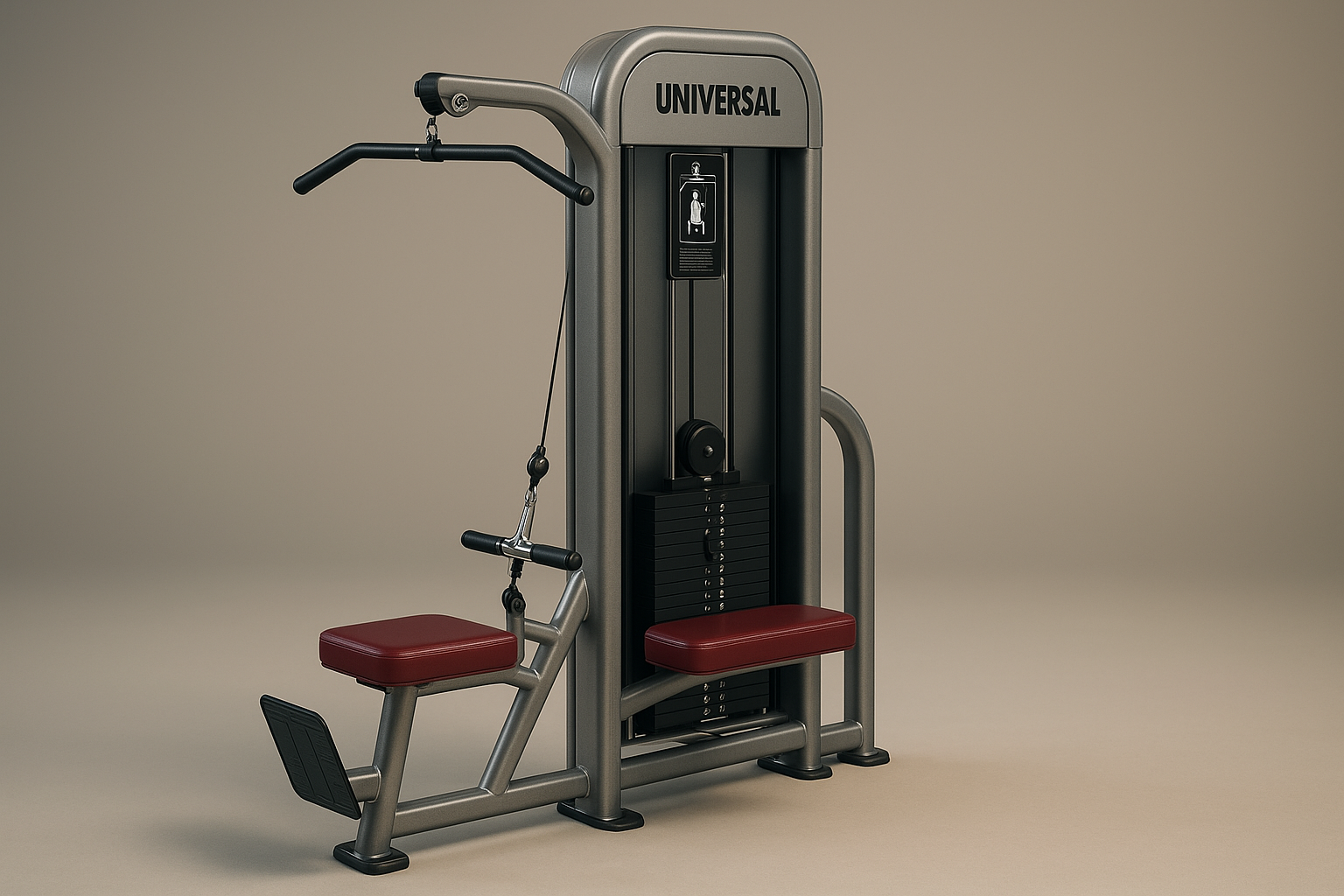
For something like a Single cable pulley machine, if the pulley gets misaligned even slightly, the cable drags and the whole machine feels off. So they keep testing motion, adjusting positions, sometimes redoing tiny steps if the movement does not feel right.
Testing Strength, Movement, Safety — Again and Again
Before shipping anything, a gym equipment manufacturer tests every moving part. They pull every cable, push every arm, drop weights, shake the frame, and listen for strange sounds. Many people in gyms think machines wear out evenly, but sometimes the first wear happens before the machine even leaves the factory.
The testing stage is where they find things that might break after a month. A good manufacturer fixes them at this stage instead of letting gyms discover problems later.
Why Experienced Manufacturers Build Better Machines
Experience teaches things that no book or manual can. A company that has been in the industry for years understands how people use machines incorrectly, how gyms maintain equipment, and where machines fail the most.
A professional gym equipment manufacturer keeps improving designs based on this feedback. A fitness equipment manufacturer with years in the industry changes pulley angles, seat sizes, padding thickness — all the things that members feel even if they do not explain it.
After-Sales Support Actually Matters More Than Most People Think
Once a gym receives the machine, the relationship does not end. At least not with a reliable gym equipment manufacturer. These companies provide spare parts, repair guidance, and quick fixes for any issues.
Sometimes small problems like a stuck pin or a noisy pulley get solved immediately because the support team understands the machine inside out. A cheap manufacturer might delay or ignore problems. A skilled one answers fast.
FAQs About How Manufacturers Maintain Quality
1. How does a gym equipment manufacturer keep machines safe?
They check steel quality, do proper welding, grind sharp edges, test movement, and inspect every part before shipping.
2. Why does painting matter so much?
Paint protects the frame from sweat and rust. A strong coat keeps the machine looking new for longer.
3. Do pulleys need special attention?
Yes. Even a small misalignment makes a Single cable pulley machine feel rough or unsafe.
4. Should I buy from a fitness equipment manufacturer instead of a reseller?
A fitness equipment manufacturer gives better build quality, long-term parts, and proper testing.
5. What makes a machine feel stable?
Good steel, strong welds, thick frames, and correct assembly done by a skilled gym equipment manufacturer.
6. Do manufacturers test every single machine?
The good ones do. They simulate real workouts before shipping.
Final Thoughts
Every strong machine that enters a gym carries the work of many people inside a gym equipment manufacturer facility. They cut, weld, grind, paint, assemble, and test everything to make sure the equipment stays safe for years. When gyms pick a trusted fitness equipment manufacturer, they are choosing smoother performance, better reliability, and safer training for everyone stepping onto the gym floor.