Direct Definition
Fitness equipment for schools includes commercial-grade, safety-engineered strength and conditioning machines designed specifically for supervised student use in educational environments. Institutional fitness equipment prioritizes durability, age-appropriate resistance systems, space-efficient layouts, and compliance with education infrastructure guidelines to support structured physical training programs in schools, colleges, and universities.
Why Schools & Universities Need Structured Fitness Infrastructure
Educational institutions today face a significant shift in student health patterns. Rising sedentary lifestyles, increased screen exposure, and reduced physical activity have contributed to declining fitness levels among students worldwide. Establishing structured campus fitness infrastructure is no longer optional it is an essential component of modern education.
A well-equipped fitness facility supports physical education curricula, competitive sports development, and long-term student wellness. Institutions that invest in proper gym infrastructure improve not only athletic performance but also mental health, discipline, and academic engagement.
Rising Student Health Concerns
Modern student lifestyles involve prolonged sitting during classes, online learning sessions, and recreational screen time. These behavioral patterns contribute to reduced cardiovascular endurance, lower muscle strength, and increased obesity rates among young populations.
Fitness infrastructure allows institutions to actively address these concerns by integrating physical activity into daily routines.
Key benefits include:
- Improved cardiovascular health
- Increased muscular strength and endurance
- Reduced obesity risk among adolescents
- Enhanced focus and academic performance
- Stronger mental resilience and stress management
Structured gym environments also encourage students to develop lifelong fitness habits, an important outcome emphasized by educational reform initiatives globally.
Alignment with Educational Policy
Physical fitness infrastructure aligns with several institutional frameworks and national initiatives.
Educational programs such as National Education Policy 2020, the Khelo India program, and sports development guidelines issued by the Sports Authority of India promote structured sports facilities within educational institutions.
These frameworks encourage schools and universities to build sports infrastructure that supports:
- Curriculum-based physical education
- Competitive sports training
- Student wellness programs
- Talent identification for national sports development
Institutions that implement structured fitness facilities often see increased participation in sports and improved competitive outcomes in inter-school and university competitions.
Institutional Benefits
Developing a campus fitness facility also strengthens institutional reputation.
Educational institutions with modern sports infrastructure attract students, strengthen alumni engagement, and enhance campus life.
Benefits include:
- Improved student enrollment appeal
- Stronger sports teams and athletic programs
- Enhanced campus wellness culture
- Opportunities for national and international sports participation
Structured fitness facilities also support sports academies, athlete training programs, and rehabilitation facilities for injured athletes.
Essential Equipment Categories for Educational Institutions
Selecting the right fitness equipment for schools requires a balanced approach. Institutions must ensure equipment supports students of varying age groups, fitness levels, and athletic goals.
A well-planned institutional gym generally includes five major equipment categories.
Cardio Equipment
Cardio machines form the foundation of most institutional fitness centers. They help students develop endurance, cardiovascular health, and stamina.
Common cardio equipment for schools and colleges includes:
- Treadmills
- Stationary exercise bikes
- Elliptical trainers
- Rowing machines
- Stair climbers
Educational institutions usually select commercial cardio equipment with simplified interfaces and safety-controlled speed limits.
Durable models often include:
- Non-slip running surfaces
- Emergency stop mechanisms
- Low-impact cushioning systems
- Maintenance-free bearings
These features allow safe usage during supervised physical training sessions.
Strength Machines
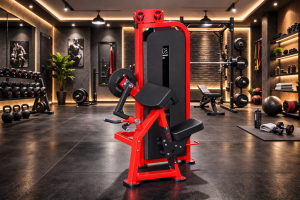
Strength machines allow controlled resistance training, making them ideal for beginner and intermediate users such as students.
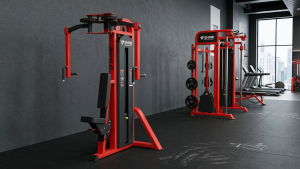
Institutional strength equipment generally includes:
- Chest press machines
- Lat pulldown machines
- Leg press machines
- Shoulder press machines
- Seated row machines
Machines designed for educational environments often feature adjustable resistance mechanisms and guided motion paths to reduce injury risks.
Strength equipment helps students build muscular strength, posture stability, and injury resilience.
Functional Training Equipment
Functional training equipment focuses on natural body movements and athletic performance development.
These tools are widely used in sports academies and university training facilities.
Common functional equipment includes:
- Battle ropes
- Medicine balls
- Kettlebells
- Resistance bands
- Suspension trainers
Functional training zones allow students to develop agility, coordination, balance, and explosive power.
These systems are particularly beneficial for sports such as football, athletics, cricket, and basketball.
Free Weights
Free weights remain one of the most effective training tools for developing strength.
However, in institutional settings they must be carefully supervised and used within controlled environments.
Typical free-weight equipment includes:
- Dumbbells
- Barbells
- Weight plates
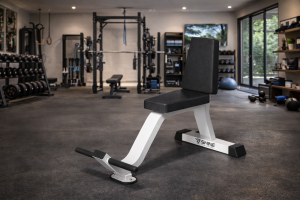
- Adjustable benches
- Squat racks
High-quality institutional free-weight equipment includes powder-coated anti-rust finishes, reinforced racks, and durable steel construction to withstand frequent usage.
Multi-Station Gym Systems
Multi-station systems provide several exercise options within a compact footprint.
These systems are ideal for schools and colleges where space optimization is critical.
A multi-station gym system may support exercises such as:
- Lat pulldown
- Chest press
- Leg extension
- Low row
- Triceps pushdown
Multi-station systems allow multiple students to train simultaneously under instructor supervision.
They also reduce equipment clutter while maintaining comprehensive training capability.
Safety Standards for School Gym Equipment
Safety is the most critical factor when selecting student fitness equipment.
Institutional gym equipment must meet strict safety engineering standards to ensure supervised use in educational environments.
Anti-Pinch Protection
Anti-pinch mechanisms prevent fingers or clothing from being trapped between moving parts.
Machines designed for schools use covered pulleys, shielded cables, and enclosed weight stacks.
Rounded Edge Construction
Rounded frame edges prevent accidental injuries during crowded training sessions.
This design approach reduces impact risk when students move around equipment quickly.
Controlled Load Limits
Student-specific equipment includes calibrated load ranges suitable for teenagers and beginner athletes.
Controlled resistance helps prevent overtraining and reduces the risk of muscle injuries.
Supervised Usage Features
Institutional gym machines often include:
• instructional diagrams
• color-coded adjustments
• safety lock mechanisms
These features allow physical education instructors to monitor proper exercise techniques during training sessions.
Structural Durability
Durability is essential in school environments where equipment experiences heavy daily use.
Commercial-grade machines often include:
• reinforced steel frames
• anti-corrosion powder coating
• maintenance-free bearings
• industrial-grade cables
These design elements ensure long equipment life while maintaining safe operation.
Budget Planning for Institutional Gym Setup
Planning a college fitness center equipment cost requires a structured budgeting approach. Institutions typically divide gym infrastructure into three investment tiers depending on student population and training objectives.
Basic School Gym Setup
Suitable for small schools and educational institutions beginning their fitness programs.
Typical investment range:
₹4,00,000 – ₹8,00,000
Equipment includes:
- basic treadmills
- stationary bikes
- adjustable benches
- dumbbell sets
- compact multi-gym systems
These setups support general fitness training and physical education classes.
Mid-Range College Fitness Center
Designed for colleges and universities with larger student populations.
Typical investment range:
₹10,00,000 – ₹25,00,000
Facilities generally include:
- multiple cardio machines
- full strength machine circuits
- free-weight zones
- functional training areas
- locker room integration
Mid-range facilities support structured sports conditioning and student wellness programs.
Advanced Sports Academy Setup
Professional training environments such as sports academies and university athletic departments require advanced equipment systems.
Typical investment range:
₹30,00,000 – ₹1 Crore+
Advanced facilities include:
- high-performance strength equipment
- Olympic lifting platforms
- athlete conditioning zones
- recovery equipment
- advanced functional training rigs
These setups support competitive sports training and athlete development programs.
Space Planning & Layout Design
Efficient gym layout design ensures safe student movement, effective supervision, and optimal equipment usage.
Most institutional fitness facilities are divided into four functional zones.
Warm-Up Zone
This area includes cardio equipment and stretching spaces where students prepare their bodies for exercise.
Typical equipment includes treadmills, bikes, and mobility tools.
Strength Training Zone
The strength area contains resistance machines and free weights used for muscle development.
Proper spacing between machines ensures safe student movement.
Conditioning Zone
Functional training equipment is placed within the conditioning zone to support agility, endurance, and athletic performance development.
Recovery Zone
Recovery spaces allow students to stretch, relax, and perform mobility exercises after training sessions.
Recovery zones often include foam rollers, stretching mats, and physiotherapy tools.
Space optimization layouts ensure institutions maximize available area while maintaining safe training environments.
Government & Tender-Based Procurement
Many educational institutions purchase institutional gym equipment through government tenders or infrastructure development programs.
Tender procurement typically involves several steps.
Technical Documentation
Manufacturers must provide detailed equipment specifications including:
• material composition
• load capacity
• safety features
• installation requirements
Compliance Certification
Institutions often require compliance documentation demonstrating adherence to sports infrastructure standards.
Installation Requirements
Tender projects usually include complete installation services including:
• equipment delivery
• layout planning
• professional installation
• equipment testing
Educational institutions prefer manufacturers experienced in tender-based gym equipment supply because these projects involve strict technical and documentation requirements.
Maintenance & Lifecycle Planning for Schools
Gym equipment used in educational institutions must be maintained regularly to ensure safety and long operational life.
Routine Inspection
Regular inspections help identify early signs of wear such as cable fraying, loose bolts, or structural damage.
Monthly inspections are recommended for high-usage facilities.
Preventive Maintenance
Preventive maintenance programs include lubrication, tightening of components, and equipment calibration.
Annual maintenance contracts (AMC) are commonly used in institutional fitness facilities.
Replacement Cycle
Commercial gym machines used in schools typically last between 8 and 12 years depending on usage levels.
Cardio machines may require earlier upgrades due to higher mechanical wear.
Lifecycle planning allows institutions to budget future upgrades effectively.
Why Choose an Indian Manufacturer for Educational Projects
Educational institutions often prefer working with a fitness equipment manufacturer in India due to several strategic advantages.
Customization for Institutional Needs
Indian manufacturers often provide customized gym solutions designed specifically for school and university environments.
Customization may include:
• space-specific layouts
• age-appropriate resistance systems
• multi-station training units
Faster Service & Support
Local manufacturers provide faster installation, maintenance, and spare part availability.
This reduces downtime and ensures continuous operation of institutional fitness facilities.
Cost Efficiency
Domestic manufacturing significantly reduces import costs, making equipment more affordable for educational institutions.
This allows schools and universities to build comprehensive fitness centers within limited budgets.
Familiarity with Compliance Requirements
Manufacturers experienced in educational infrastructure projects understand local procurement systems, tender documentation, and compliance standards required by government institutions.
This simplifies procurement processes for educational trusts and government departments.
Frequently Asked Questions
What gym equipment is suitable for schools?
Schools should use commercial-grade equipment designed for supervised student training. Essential equipment includes treadmills, stationary bikes, strength machines, adjustable benches, dumbbells, and multi-station gym systems. Equipment should include safety features such as anti-pinch protection, rounded edges, and controlled resistance levels.
Is commercial gym equipment safe for students?
Commercial gym equipment is safe when designed for institutional use and operated under supervision. School-specific equipment includes controlled load limits, enclosed weight stacks, instructional guides, and reinforced frames to reduce injury risk during student training sessions.
How much does a school gym setup cost in India?
A basic school gym setup in India typically costs between ₹4,00,000 and ₹8,00,000. Mid-range college fitness centers may require ₹10,00,000 to ₹25,00,000, while advanced sports academy facilities can exceed ₹30,00,000 depending on equipment quantity and facility size.
Can schools buy gym equipment through government tenders?
Yes. Many government schools and universities procure gym equipment through tender-based procurement systems. These tenders require manufacturers to submit technical specifications, compliance certifications, installation plans, and warranty documentation.
How long does institutional gym equipment last?
High-quality institutional gym equipment typically lasts 8–12 years with proper maintenance. Regular inspections, preventive maintenance, and annual service contracts help extend equipment lifespan and ensure safe operation.
Conclusion
Investing in fitness equipment for schools, colleges, and universities creates long-term benefits for student health, athletic development, and institutional growth. Structured campus fitness infrastructure supports educational objectives, enhances sports performance, and encourages lifelong physical wellness.
Educational institutions that collaborate with experienced fitness equipment manufacturers in India gain access to durable, safety-compliant, and cost-efficient gym solutions designed specifically for student environments.
Modern campus fitness centers are no longer optional facilities they are essential infrastructure for developing healthier, stronger, and more active generations of students.