Introduction
I have walked into many gyms where the free-weight area just felt off. Bars everywhere, plates stacked oddly, benches pushed into corners. And almost every time, the issue was not space. It was planning. In real life gym layouts, the Utility Bench plays a bigger role than people expect, and when it is placed wrong, the whole zone feels messy and uncomfortable.
Free-weight zones should feel open but organized, flexible but safe. That balance starts with understanding where this bench actually belongs, not where it just “fits.”
Why Free-Weight Zones Need Thought, Not Guesswork
Let’s be real, free-weight areas get abused.
People drag equipment around, drop dumbbells, rest between sets, talk, film, and improvise exercises. If the layout is weak, chaos wins. From my experience, gyms that plan this zone properly have fewer complaints, fewer accidents, and way better flow.
A well-placed Utility Bench quietly supports all of that without screaming for attention.
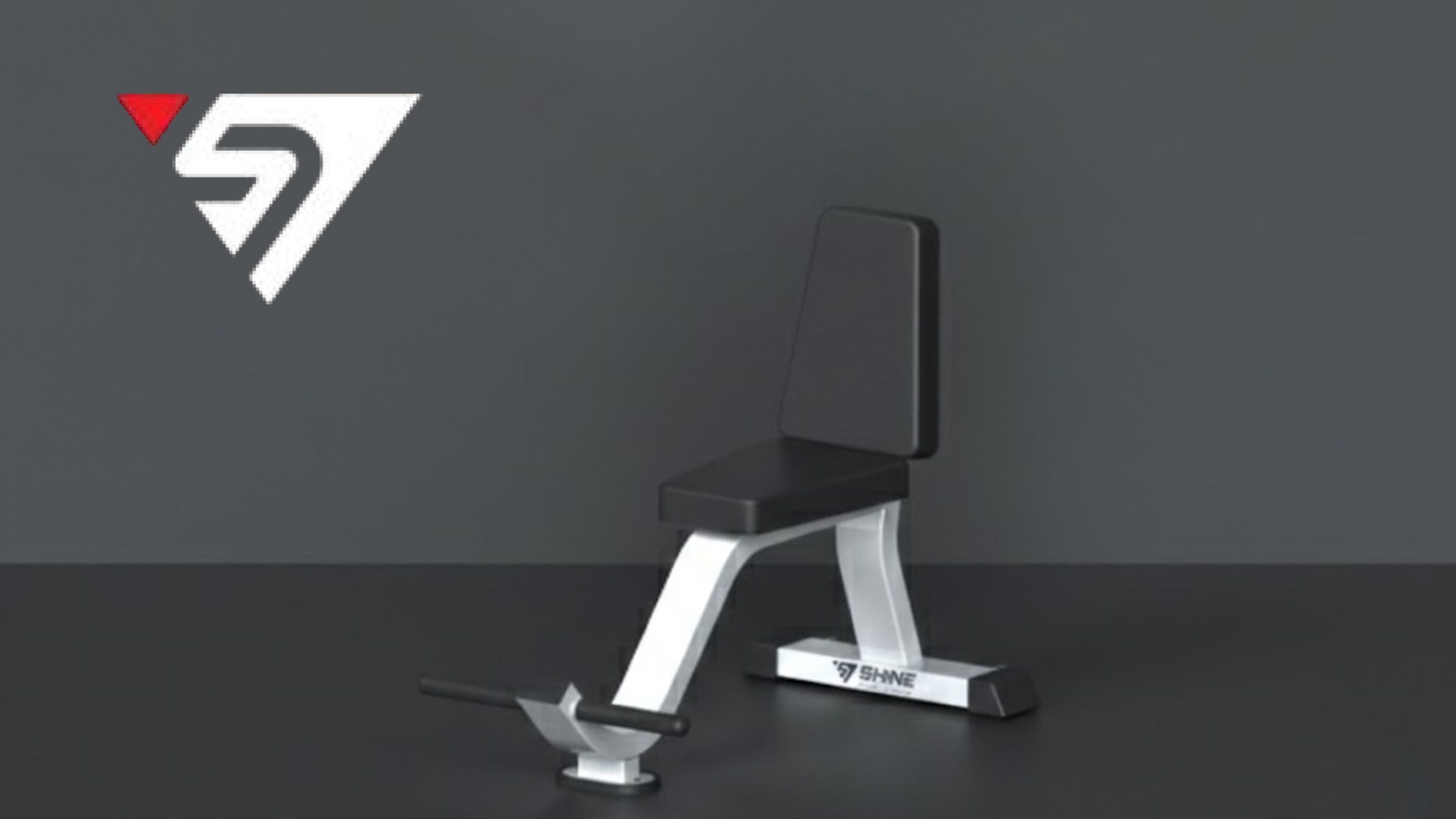
The Utility Bench Is the Connector Piece
This bench is not flashy.
It does not dominate like a power rack or grab eyes like selectorized machines. But the Utility Bench connects movements. Chest work, shoulders, arms, even light leg work. It bridges exercises without forcing people to walk across the gym.
When placed well, it reduces congestion instantly.
What it usually supports
- Dumbbell presses
- Shoulder work
- Core movements
- Rehab and accessory lifts
Because it supports so much, placement matters more than people think.
Where Most Gyms Place It Wrong
Honestly, the most common mistake is pushing it to the wall.
Against mirrors. Against storage. Out of the way. That kills flexibility. A Utility Bench works best when it has space on both sides. Lifters need room to pick dumbbells, spot safely, and move naturally.
Corner placement turns it into dead equipment.
Central but Not Crowded
From real gym planning experience, the best spot is near the dumbbell rack, but not touching it.
You want a few steps of space. Enough to grab weights without bumping into someone mid-set. A Utiliti Bench placed here becomes the natural starting point for many workouts.
Too close and it blocks traffic. Too far and it becomes forgotten.
Sightlines Matter More Than You Think
People like seeing what they are doing.
Mirrors help, but reflection without space causes problems. A Utility Bench should face mirrors at a comfortable distance, not right up against them. This keeps posture checks possible without creating congestion.
Bad sightlines create awkward movement patterns.
Stability and Floor Interaction
Benches move when floors are uneven.
A good Utiliti Bench needs solid contact with the floor, especially in high-use gyms. Rubber flooring helps, but placement over seams or slopes causes wobble.
This is something experienced builders understand well, especially a GYM Machine Manufacturer in Ahmedabad who designs for real commercial floors, not perfect showroom tiles.
Spacing Between Benches Is Not Optional
More benches does not always mean better.
Crowding them creates safety issues. People lifting dumbbells need space to drop safely if something goes wrong. A Utility Bench needs a safety bubble around it.
From my experience, fewer benches placed correctly outperform many benches placed badly.
Supporting Different Training Styles
Modern free-weight zones serve many people at once.
Beginners use light weights. Advanced lifters go heavy. Trainers move clients quickly. A Utility Bench placed centrally adapts to all of this without favoritism.
That flexibility is its biggest strength.
Why Manufacturer Experience Influences Layout
This part often gets ignored.
A GYM Machine Manufacturer in Ahmedabad with experience in commercial gyms understands spacing realities. They design benches with footprints that make planning easier.
Similarly, a GYM Machine Manufacturer in Gujarat working with larger facilities often builds benches that integrate better with racks and dumbbell zones.
Design and placement go hand in hand.
Read more : Choosing a Gym Machine Manufacturer in Ahmedabad for Long-Term Equipment Reliability
Height and Angle Affect Nearby Equipment
Bench height changes movement patterns.
If the Utility Bench is too tall or too low, lifters adjust awkwardly. That affects how close it should be to racks, mirrors, and walkways.
From real gym setups, matching bench height to surrounding equipment creates smoother transitions.
Flow Beats Symmetry
Gyms love symmetry.
But perfect lines often block flow. A Utiliti Bench should follow movement paths, not design grids. People move diagonally, not in straight lines.
Flow planning always beats visual perfection.
Noise and Impact Zones
Dumbbells get dropped.
Benches near walls or glass create noise issues. A Utiliti Bench placed in open space absorbs sound better and reduces complaints.
This matters more in busy commercial gyms than people admit.
Lighting Changes Perception
Poor lighting makes benches feel cramped.
A Utility Bench placed under good lighting feels inviting. People subconsciously choose brighter spaces. Lighting planning should always include bench zones.
Small detail, big effect.
Cleaning and Maintenance Access
Benches get sweaty.
If a Utiliti Bench is jammed into tight areas, cleaning becomes annoying. That leads to skipped maintenance. Easy access keeps hygiene standards higher.
Good planning respects staff workflow too.
Trainers Shape How Benches Are Used
Trainers gravitate to functional spaces.
A Utility Bench placed with room for cueing, spotting, and movement gets used more during personal training sessions. Trainers avoid cramped areas instinctively.
Their preferences shape member behavior quietly.
Expansion and Rearrangement Flexibility
Gyms evolve.
New equipment arrives. Programs change. A Utility Bench placed with flexibility in mind adapts easily. Fixed layouts struggle later.
This is where long-term thinking wins.
Real-World Gym Story
I once helped reposition just two benches.
Same equipment. Same room. Different placement. Suddenly, congestion dropped and usage went up. The GYM Machine Manufacturer in Ahmedabad finally worked as intended.
Nothing else changed.
FAQs
How many utility benches should a free-weight zone have?
Enough to support demand without crowding, usually fewer than expected.
Should benches face mirrors?
Yes, but with safe distance.
Is wall placement ever okay?
Rarely, only in low-traffic areas.
Do benches need dedicated zones?
They need flexible zones, not isolation.
Does manufacturer design affect placement?
Very much, footprint and height matter.
Should benches be movable?
Yes, but stable enough to stay put during lifts.
Conclusion
Free-weight zones succeed when equipment supports natural movement instead of fighting it. A well-placed Utility Bench becomes a quiet workhorse, adapting to many users without creating chaos. When planning focuses on flow, safety, and real behavior, the bench fits naturally, not awkwardly. And when that happens, the entire free-weight zone feels calmer, safer, and far more effective for everyone using it.