Introduction
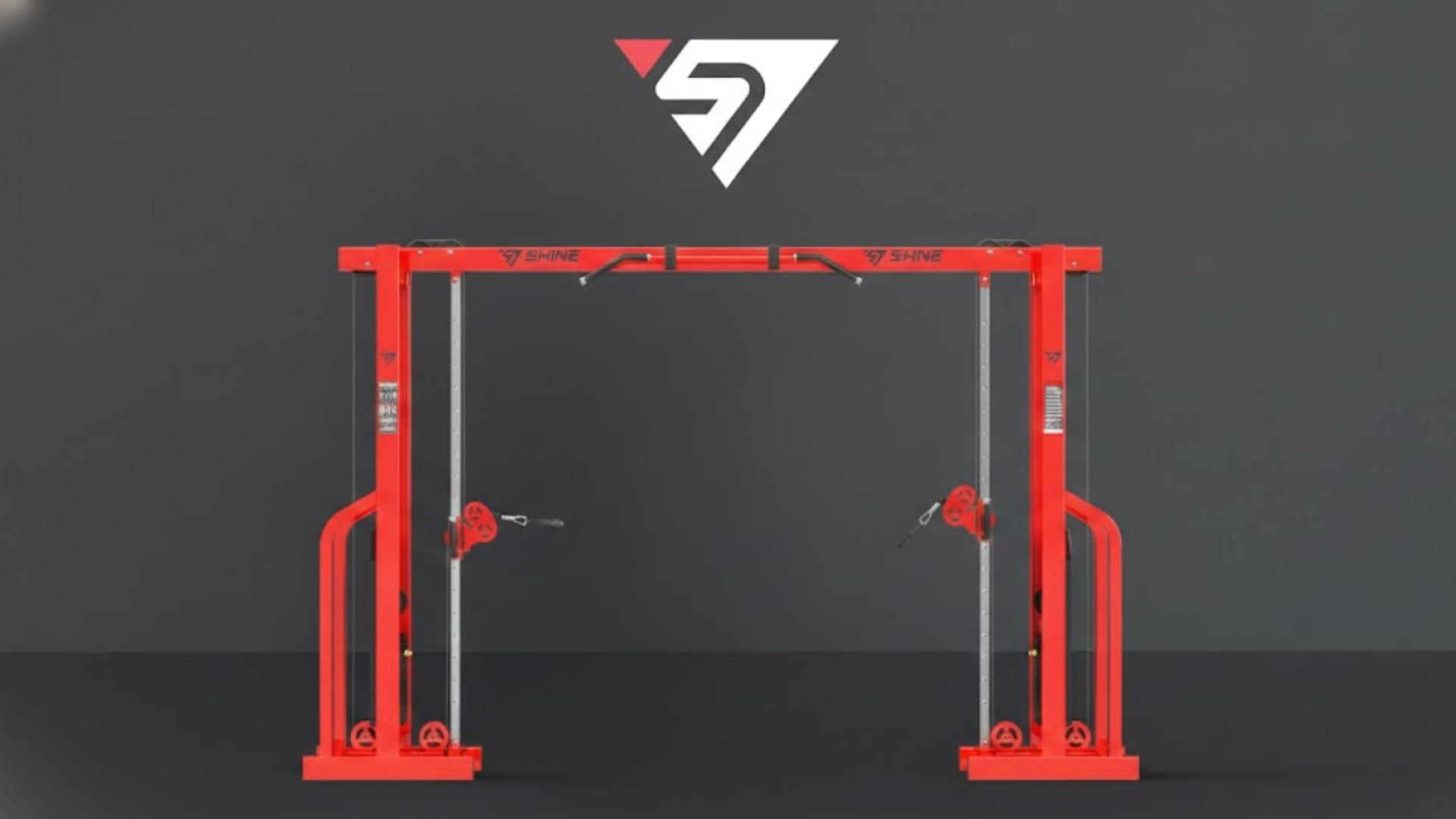
I still remember the first commercial gym I helped redesign. Big space, lots of members, constant movement. Everything looked great for the first few months. Then slowly, one machine started causing trouble. The cable cross over machine. Cables felt rough, pulleys made noise, one side moved smoother than the other. Members did not complain loudly, they just stopped using it. That is when durability stopped being a technical term for me and became a very real, very practical problem.
In high-usage gyms, machines are not tested gently. They are tested brutally. Every hour. Every day. And the cable cross over station usually takes the heaviest beating of all.
Why Cable Cross Over Machines Get Abused the Most
Let’s be real, this machine does everything.
Chest work, back work, arms, shoulders, core, even rehab movements. Everyone uses it. Beginners pull light weight with bad angles. Advanced lifters yank heavy loads at full stretch. Trainers adjust it constantly for different clients.
A cable cross over machine in a busy gym rarely gets a break. That constant use exposes weak design choices faster than almost any other piece of equipment.
Frame Construction Is the Foundation
Honestly, everything starts with the frame.
A durable cable cross over machine has a thick, rigid frame that does not flex when weight stacks move independently. If the uprights twist or sway, cable paths go off. Once that happens, wear accelerates everywhere.
What frame flex actually causes
- Uneven resistance on each side
- Faster pulley wear
- Cable fraying over time
In real life, you can feel frame problems long before you see them.
Pulley Quality Makes or Breaks the Machine
Pulleys take constant stress.
A high-quality cable cross over machine uses smooth, sealed pulleys that rotate freely under load. Cheap pulleys feel okay at first, then slowly develop friction. That friction kills smooth movement and stresses cables.
From my experience, once pulleys go bad, the entire machine feels wrong. Members rush reps. Trainers stop programming it.
Cable Thickness and Coating Matter More Than Weight Capacity
People focus on max weight ratings.
But in high-use gyms, cable quality matters more. A durable cable cross over machine uses thick, coated cables designed for thousands of load cycles. Thin cables wear faster, especially when users pull at extreme angles.
Cable failure is not just a maintenance issue. It is a safety issue.
Independent Stack Alignment
One of the most common problems I see is uneven stacks.
A good cable cross over machin keeps both stacks moving straight, without tilt or rubbing. Poor alignment creates uneven resistance, which users feel immediately.
This is especially noticeable when one side feels heavier than the other. Members notice, even if they cannot explain why.
Adjustment Systems Take Constant Abuse
Handles go up and down all day.
In busy gyms, adjustment pins get pulled, dropped, forced. A durable cable cross over machine expects this behavior. Pins stay straight. Tracks remain aligned. Holes do not deform.
Once adjustments start sticking, people stop adjusting properly. That leads to bad movement patterns and joint strain.
Comparing With Simpler Machines
I often compare complex machines with simpler ones to judge build quality.
If a manufacturer builds a solid Single cable pulley machine, chances are they understand cable systems well. If that machine feels rough or fragile, the bigger crossover unit usually suffers too.
Complexity amplifies weaknesses.
Handle Attachments and Connection Points
Attachments get swapped constantly.
A durable cable cross over machine has strong attachment points that do not bend or loosen over time. Cheap connectors wear quickly, especially when users pull sideways or drop handles.
From my experience, loose attachment points make the entire machine feel unsafe, even if it technically still works.
Noise Is Not Just Annoying, It Is a Signal
Quiet machines are healthy machines.
When a cable cross over machin starts squeaking, grinding, or clanking, something is already wearing faster than it should. Noise usually means friction, misalignment, or poor lubrication.
Members notice noise before owners do. And once they notice, trust drops fast.
Weight Stack Guides and Bushings
Weight stacks need guidance.
A durable cable cross over machin uses proper guide rods and bushings that keep plates moving smoothly. When bushings wear out early, stacks wobble and scrape.
That scraping increases friction and shortens cable life.
Real-World Misuse Must Be Expected
People do not follow perfect form.
They lean, twist, pull diagonally, and sometimes use machines creatively in ways designers never intended. A commercial cable cross over machine must survive this behavior without falling apart.
Designing for ideal usage is unrealistic in high-traffic gyms.
Comparing With Other Machines on the Floor
I always say, look at the whole lineup.
If the adductor machine in a gym feels flimsy, the crossover probably shares similar issues. If machines across the floor feel solid and smooth, that consistency usually comes from good manufacturing standards.
Quality rarely exists in isolation.
Read more : Premium Leg Curl Machine with Ergonomic Design & Smooth Motion
Floor Anchoring and Stability
Some crossover machines rely on sheer weight.
Others get anchored. In high-use gyms, anchoring matters. A stable cable cross over machin does not shift under heavy unilateral pulls.
Stability builds confidence. Confidence keeps people using the machine.
Maintenance Reality in Busy Gyms
Maintenance schedules exist on paper.
In reality, they slip. A durable cable cross over machine tolerates delayed maintenance better than fragile designs. Stronger components, better tolerances, and simpler systems survive longer between services.
This tolerance matters more than people admit.
Safety Under Fatigue
People train tired.
Late evenings. Long sessions. Fatigue increases sloppy movement. A stable cable cross over machin protects users by maintaining consistent resistance and predictable movement paths.
Unstable machines increase injury risk when users are not fully focused.
Visual Wear Changes Perception
Members judge equipment visually.
A durable cable cross over machine ages better. Even when paint chips or grips fade, the movement still feels solid. Cheap machines look tired quickly, and that affects how people perceive the entire gym.
Cost Over Time Is the Real Metric
Cheap machines cost more later.
Repairs, downtime, part replacements. A higher-quality cable cross over machine costs more upfront but saves money and stress long-term.
From my experience, gyms regret under-investing here more than almost anywhere else.
FAQs People Actually Ask
How long should a commercial cable cross over machine last?
With good build quality, many years of daily use.
Is noise always a bad sign?
Yes, usually it indicates wear or alignment issues.
Do members notice durability issues?
They feel them immediately, even if they do not complain.
Are heavier machines always better?
Not always, but weight often signals stronger construction.
Is cable replacement normal?
Occasionally yes, frequently no.
Does versatility reduce lifespan?
Only if the Single cable pulley machine is poorly designed.
Conclusion
High-usage gyms expose the truth fast. A cable cross over machine either survives daily abuse or becomes a problem everyone avoids without saying a word. Durability comes from strong frames, smooth pulleys, quality cables, and designs that respect real gym behavior. When those factors come together, the machine fades into the background in the best possible way, just doing its job, day after day, without drama.