Anyone who has tried setting up a gym, even a smaller one, knows the strange challenge that appears when arranging equipment. You think you have enough space, and suddenly everything starts looking cramped. The functional trainer especially creates this moment because it is not too big but not too small either. It needs room around it, space to move, and a comfortable zone where people can pull cables freely. But if you place it wrong, the whole floor looks squeezed and the flow does not feel right.
Most gym owners think the functional unit is easy to position, and then later realize how many movement angles it needs. Someone doing a chest press may move differently than a person doing cable rows. And if a third person tries a rotation exercise, it requires even more room. So planning the space around a functional trainer is kind of like planning a traffic system. You want people to move without bumping into others.
The First Step Is Understanding the Movement Space
Before placing the unit anywhere, it helps to imagine someone training on it. Picture them stretching their arms out, stepping forward, stepping back, twisting sideways. A functional trainer has wide movement patterns because it trains multiple muscles at different heights.
A mistake many gyms make is measuring only the physical width of the machine. The area someone uses while training becomes bigger than the machine itself. So you need extra floor space for safety and comfort. A person must feel like they have room to move, not like someone will walk into them mid-rep.
Keeping Enough Clearance for Multiple Users
Even though it looks like a single station, the functional trainer is often used by two people at the same time. One might perform low rows, and another does standing presses. When both users start pulling cables together, they take up more space than expected.
This is why leaving narrow paths around the equipment becomes a disaster later. Many gyms keep the machine too close to a wall, and the user gets stuck between the tower and the wall. The machine needs breathing room so everyone stays relaxed during exercises.
Understanding Gym Flow Changes How the Trainer Should Be Placed
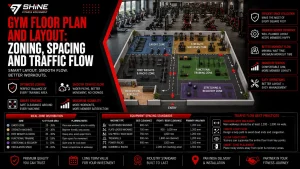
Every gym has a natural walking path. People enter, place their bags, warm up, then move toward weights. If the functional trainer sits in the middle of that path, people either wait awkwardly or squeeze themselves through. So placing it along a side or a corner helps the flow feel smoother.
But it cannot be pushed into a tight corner either. A little open area around it makes the machine feel more inviting. People often gather around it because it offers so many exercise possibilities.
Lighting Makes the Machine Feel Bigger or Smaller
This sounds small, but lighting affects how crowded a space feels. Good lighting opens the area visually. If the functional trainer sits under dark lighting, the space looks smaller, making the machine feel like it is taking more room than it actually does.
Bright and clean lighting makes the cable towers look slimmer, and users feel safer because they can see cable paths clearly. Even the mirrors help, because when you see more space in the reflection, the entire area feels larger.
Comparing With Other Machines Helps Avoid Layout Mistakes
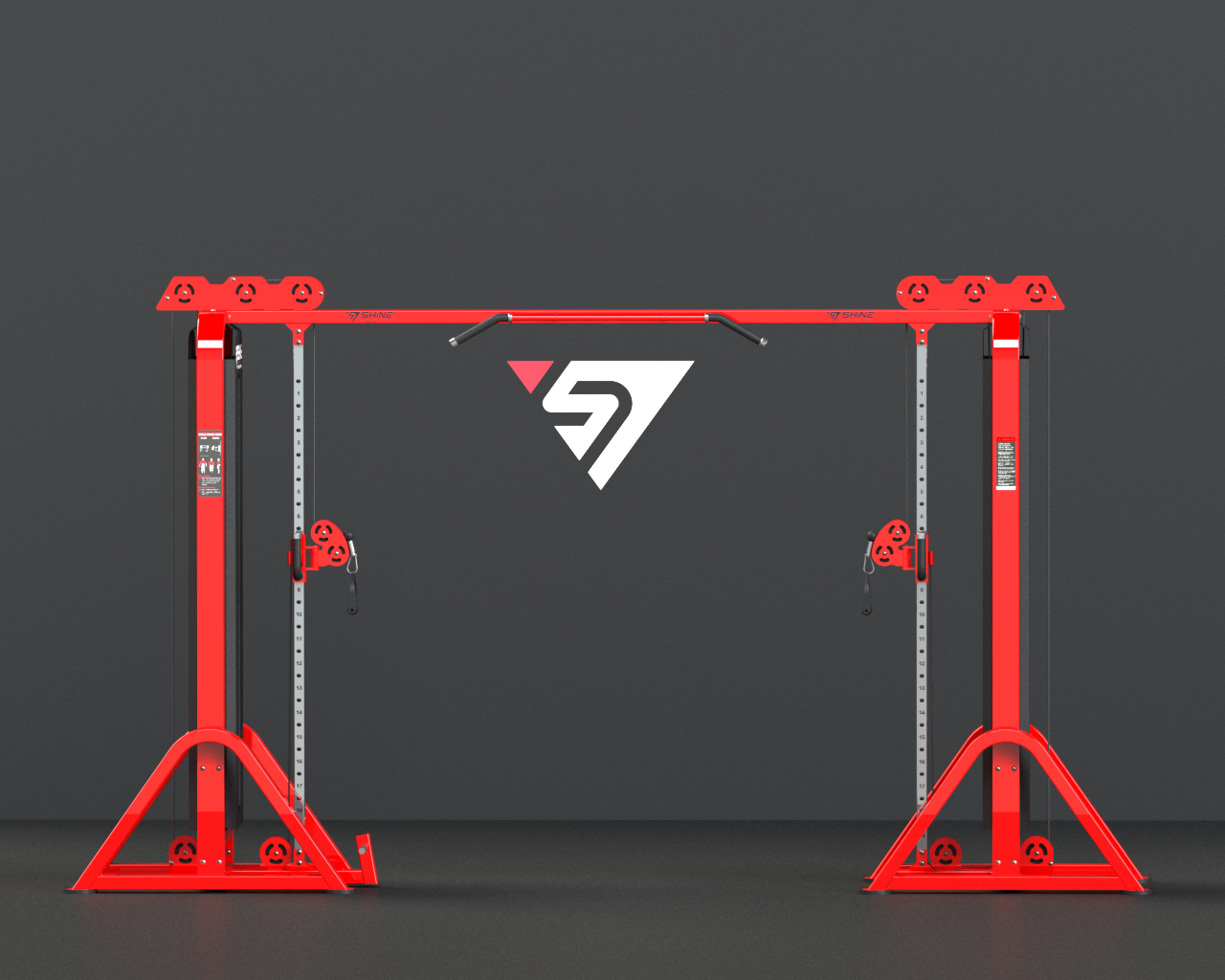
Sometimes placing the functional trainer becomes easier if you compare it with other big machines. For example, when you look at a cable cross over machine, it requires broader width but less forward movement. The functional station, on the other hand, requires more side-to-side space for rotation exercises.
Machines like a squat rack create vertical movement space, while the trainer creates circular space. Understanding this difference helps you avoid packing machines too close together.
And when you compare it with machines from a gym equipment manufacturer, you notice that functional designs vary. Some are wide, some tall, and some narrow. So placement depends on the specific model.
Creating “Movement Zones” Around the Trainer Helps with Safety
A lot of gyms now create zones around the functional unit. A movement zone is simply a free area where users can step freely and perform wide patterns without hitting equipment. It feels like a small training bubble.
This bubble stops accidents, especially when members try high-speed movements. And honestly, the functional trainer almost demands this kind of zone. Without it, people become too careful and cannot train with full confidence.
Wall Distance Matters More Than Many Owners Expect
Placing the trainer too close to a wall is one of the most common mistakes. If the pulley is at a low angle and the user steps back to do a row, the wall gets in the way. That breaks the natural movement.
A good rule is keeping at least one and a half steps distance from any wall. This lets beginners and tall users train comfortably. And it gives the machine enough room to adjust handle height without scraping anything.
Mirrors Help People Check Form and Make the Area Look Spacious
Mirrors help people correct their posture. But they also stretch the room visually. When you place the functional trainer in front of a mirror, users see their full movement path and understand whether they are stable or not.
Sometimes, even the reflection gives people enough confidence to train harder. Mirrors also help the trainer blend into the gym instead of becoming a bulky structure in the middle.
Remembering How Beginners Move Helps With Better Planning
Beginners often move slower and take more space without realizing. Their arms go wider, their steps get confused, or they lose balance slightly. So spacing for beginners must be bigger. When gym owners only design for advanced users, they create crowded corners.
A functional trainer is used by people of all levels, so a wider comfort zone makes everyone feel welcome.
FAQs About Functional Trainer Placement
1. How much space does a functional trainer actually need?
A functional trainer needs space equal to its width plus extra area around it for arm and body movement.
2. Can I place it near a cable cross over machine?
Yes, but only if both have enough movement space. The cable cross over machine needs width, while the trainer needs rotation room.
3. Should the trainer face a wall or face open space?
Facing open space feels more comfortable for users, especially beginners who need wide movement.
4. Do manufacturers give size guidelines?
A gym equipment manufacturer often gives spacing charts, but real-life movement space still needs more room than their diagrams show.
5. Why do mirrors help so much with placement?
Mirrors make the room look bigger and help users see their whole body during exercises on the functional trainer.
6. What happens if the trainer is placed too close to other machines?
People feel crowded, bump cables into equipment, and stop using the trainer with confidence.
Final Thoughts
Placing a functional trainer is not only about the machine size. It is about people, movement, and comfort. When the trainer sits in the right spot, the whole gym feels more open. When mixed with machines like a cable cross over machine and planned using advice from a reliable gym equipment manufacturer, the layout becomes safer, smoother, and friendly for all levels of users. Good spacing always makes a gym feel more welcoming.