Introduction
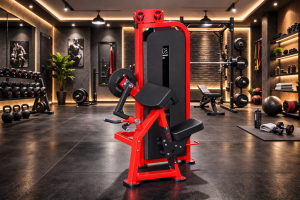
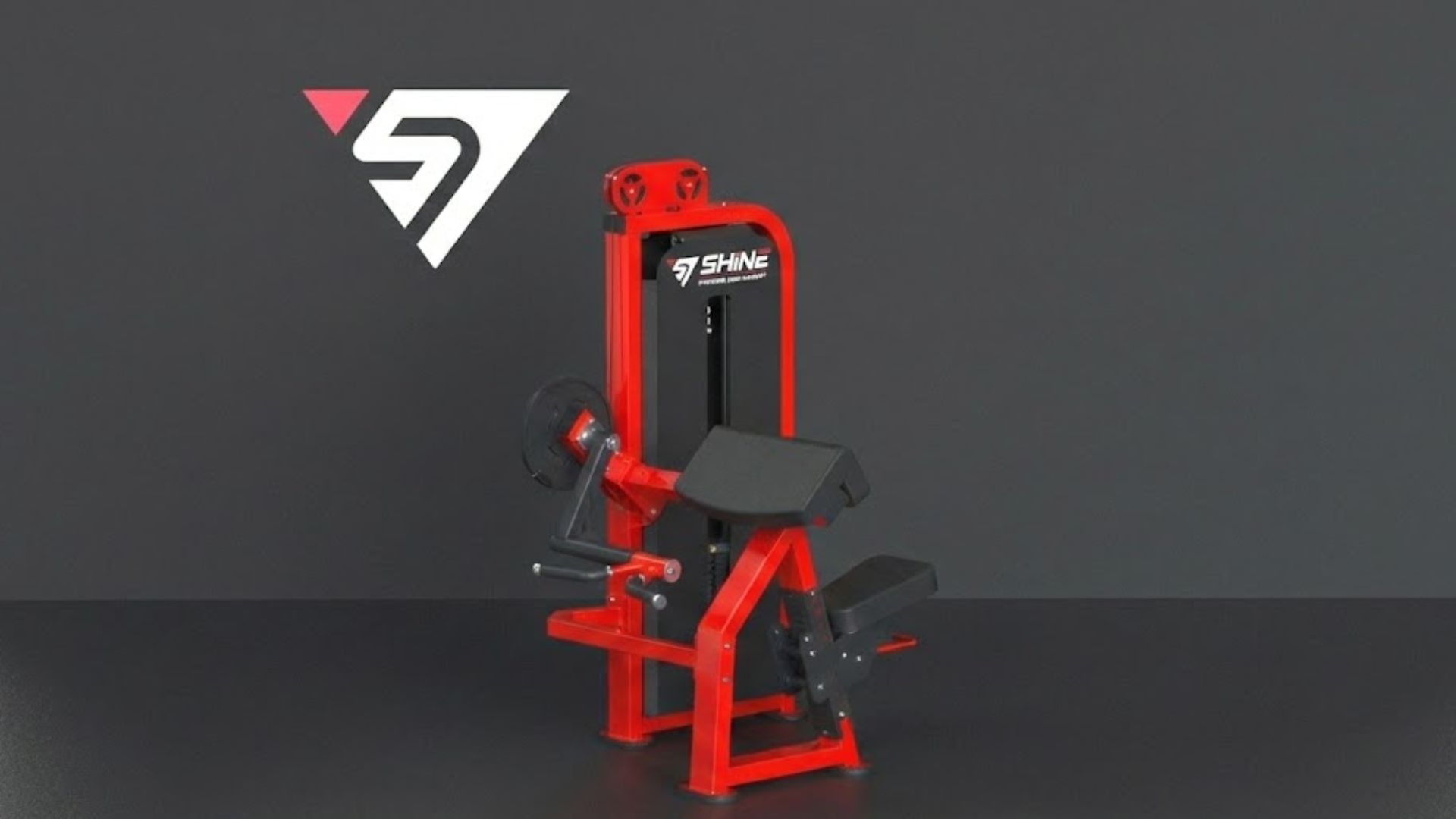
I still remember one gym I used to train at regularly. It was busy almost all the time, people lining up for popular machines, trainers shouting cues, weights clanking everywhere. There were two arm machines placed side by side. Both looked like they were meant for biceps. But only one stayed occupied all day. The other one just sat there, collecting dust and sweat marks. That difference was not about branding or looks. It was about how the bicep curl machine actually felt when people used it.
That moment stuck with me. Over time, after training in many gyms and talking with owners and trainers, it became very clear what separates commercial-grade machines from basic ones. On paper, they seem similar. In real life, they are worlds apart.
Built for Everyday Abuse, Not Gentle Use
Let’s be honest here. Commercial gyms are not kind places for equipment.
Machines get used early morning to late night. People overload weights, slam stacks, rush adjustments, and sometimes use machines in ways they probably should not. A commercial-grade bicep curl machine is designed knowing this will happen. Basic models usually assume polite usage, which rarely exists in a busy gym.
Commercial machines use thicker steel, stronger welds, and better joint construction. When you sit down, you feel it immediately. The machine feels heavy, planted, and stable. Basic models might feel okay at first, but after months of use, small shifts start happening. And small shifts become big problems.
Why frame strength really matters
When the frame flexes even a little:
- Resistance stops feeling consistent
- Users start cheating reps
- Shoulders take over from biceps
That changes training quality without people even realizing it.
Movement Quality Is Not Just a Nice Feature
This is something many people underestimate.
A commercial-grade bicep curl machine offers smooth resistance from start to finish. No sticking points. No sudden pull at the top. This smoothness encourages slow, controlled reps, which is exactly what arm training needs.
Basic machines often lose this smooth feel over time. Bearings wear out. Pivots develop friction. The movement becomes rough, and people subconsciously rush through sets just to be done. From my experience, machines that feel rough get avoided quietly. Nobody complains. They just stop using them.
Alignment and Comfort Decide Consistency
Comfort is not about luxury padding or fancy looks. It is about alignment.
A well-designed commercial bicep curl machine keeps elbows, shoulders, and wrists in a natural path. This reduces joint stress and keeps the load exactly where it should be, on the biceps. Basic models sometimes force awkward arm positions, especially for taller or broader users.
What good alignment actually does
- Improves muscle isolation
- Reduces shoulder strain
- Makes reps feel natural and controlled
When a machine feels uncomfortable, people avoid it. Simple as that.
Durability Shows After Months, Not on Day One
Anyone can impress on opening day.
After six months, the truth comes out. Commercial-grade machines still feel solid. Basic models start showing signs of age. Noise appears. Small movements develop. Pads flatten. Paint chips.
A commercial bicep curl machine is designed to age slowly. It does not stay perfect forever, but it stays usable and reliable far longer than basic models.
Noise is usually the first warning sign. Squeaking, clanking, grinding. That sound tells you parts are wearing faster than they should. Members notice it immediately, even if they never say a word.
Adjustability in Busy Gyms Is Critical
In commercial gyms, machines get adjusted constantly.
Seat height changes. Arm positions shift. Weight stacks move all day. Commercial machines are built so these adjustments happen smoothly without damaging parts. Pins stay straight. Tracks stay aligned.
Basic models struggle here. Once adjustments start sticking or wobbling, people stop adjusting properly. That leads to bad form and joint stress over time.
From my experience, trainers prefer machines that adjust easily because it keeps sessions flowing without frustration.
The Role of the Manufacturer Matters More Than People Think
This part often gets ignored.
A serious gym equipment manufacturer designs commercial machines for long-term performance, not just appearance. They test machines under load. They refine designs based on real gym feedback. They expect equipment to live a rough life.
Basic models usually come from manufacturers focused mainly on reducing cost. That mindset shows up later in thinner steel, weaker joints, and cheaper components.
The difference is not always visible at first glance, but it becomes obvious with use.
Commercial Machines vs Multi-Use Equipment
Some people ask why not just skip arm machines and use cables.
A functional trainer is excellent for versatility, no doubt. It allows many movements and angles. But isolation still has its place. A dedicated bicep curl machine removes distractions and keeps focus on one muscle group.
Most well-planned gyms offer both. The key is making sure the dedicated machine meets the same durability standards as the rest of the equipment.
Read more : What Gym Owners Must Review Before Investing in a Functional Trainer
Long-Term Cost Tells the Real Story
Basic machines are cheaper upfront. That is tempting.
But over time, repairs, downtime, and early replacements add up fast. Commercial-grade machines cost more initially, but they usually save money in the long run. From my experience, gyms that invest in durability regret it far less.
There is also the hidden cost of member trust. Broken or uncomfortable machines quietly hurt a gym’s reputation.
Safety Under Fatigue Matters
People train when tired. That is reality.
A commercial bicep curl machine guides movement even when form slips slightly. Stable frames and proper alignment reduce injury risk. Basic models offer less margin for error, which becomes dangerous under fatigue.
Safety is not about eliminating risk. It is about reducing it when things are not perfect.
Visual Presence and Member Perception
People judge gyms by how equipment feels.
A heavy, solid bicep curl machine sends a message of quality. Members associate that feeling with professionalism and care. Basic machines rarely create that impression, even if they technically work.
Visual wear also matters. gym equipment manufacturer better. Even when paint chips or pads fade, the machine still feels trustworthy.
Real Stories From the Gym Floor
I once watched a gym replace the same arm machine twice in two years.
Both times, they went for cheaper options. Third time, they invested in a commercial-grade bicep curl machine. Five years later, it still runs smooth. Same members. Same usage. Completely different outcome.
FAQs
Is a commercial-grade bicep curl machine necessary for every gym?
For high-traffic gyms, yes. For home gyms or low-use studios, not always.
Do commercial machines really last longer?
In real gym conditions, absolutely.
Is smooth movement more important than heavy weight capacity?
Often yes, because movement quality affects results and joint health.
Can basic models work temporarily?
Yes, but expect earlier replacement and more maintenance.
Conclusion
The difference between commercial-grade and basic models becomes obvious once you spend time around real gyms. A bicep curl machine either holds up under daily pressure or slowly turns into equipment people avoid without saying anything. Commercial-grade machines earn their place by staying stable, smooth, and reliable long after the new-machine shine fades. And honestly, that quiet reliability is what separates serious equipment from everything else.