Introduction
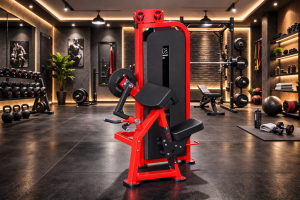
I know the title sounds like it is all about back training, but stay with me. The funny thing is, whenever gyms start comparing lat pulldown machines, the conversation somehow always drifts toward other equipment too. I have seen it happen many times. Owners talk about pull strength, frame shake, cable feel, and then suddenly someone brings up the bicep curl machine because that is usually the first place poor build quality shows up. That connection is not random, and from my experience, it tells you a lot about performance standards across the whole gym floor.
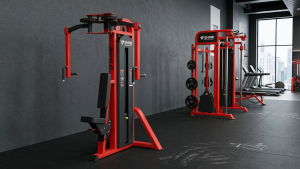
Commercial gyms live in a different world. Machines are not treated gently. They are tested daily by real people with zero patience for bad movement or unstable frames.
Performance Is Felt, Not Measured
Let’s be real, nobody in a busy gym is reading spec sheets.
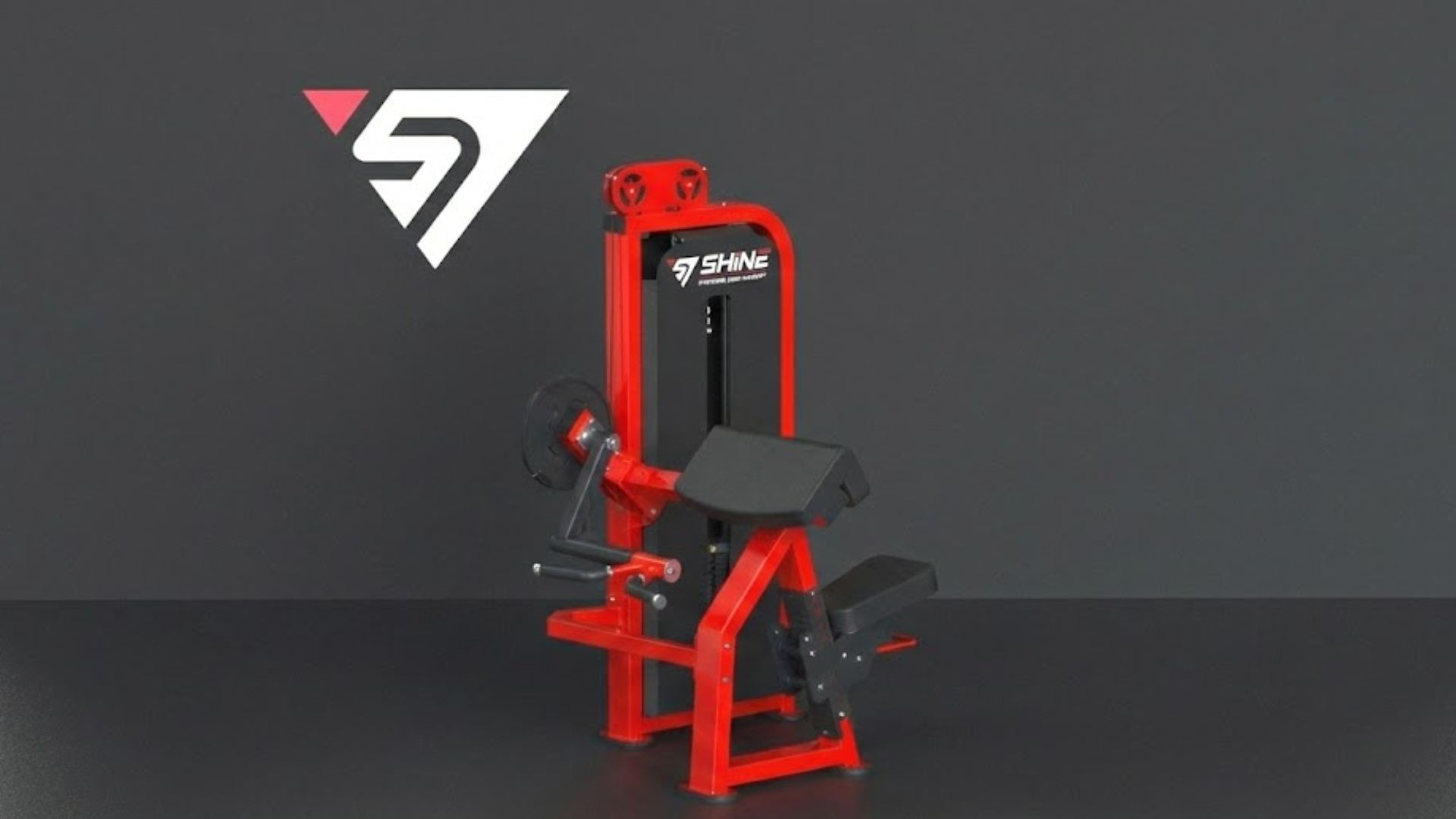
People feel performance through movement. When a lat pulldown feels smooth, controlled, and predictable, users trust it. When it feels rough, they rush reps or avoid it completely. Interestingly, the same people often judge arm stations the same way. A poorly moving bicep curl machine sends a clear signal that something is off with the manufacturer’s priorities.
Performance is about consistency. Resistance should feel the same on rep one and rep twelve. That consistency separates serious commercial equipment from average builds.
Stability Is the First Thing Members Notice
Honestly, stability is non-negotiable in commercial settings.
A lat pulldown machine that shifts even slightly under load kills confidence. Users lean back harder, grip tighter, and compensate with bad form. That same instability shows up clearly on arm stations too. If a bicep curl machine wobbles, people feel it instantly and stop trusting the movement.
Why frame stability changes everything
- Stable frames protect joints
- Stable machines encourage slower reps
- Stable equipment stays busy
Once stability is gone, usage drops quietly.
Build Quality Is Revealed Over Time
Anyone can make equipment look good on opening day.
After six months, the truth comes out. Paint wear, joint looseness, cable noise. A commercial gym exposes shortcuts fast. From my experience, if the lat pulldown ages poorly, the bicep curl machine usually does too. That pattern rarely breaks.
A serious gym equipment manufacturer focuses on how machines age, not just how they debut.
Cable Systems Tell the Real Story
Cable quality matters more than most people admit.
Smooth pulleys, proper cable coating, and straight stack travel define how a machine feels long-term. On a lat pulldown, poor cables feel rough during the pull. On a bicep curl machine, that same issue feels even worse because isolation movements magnify friction.
When cables wear early, it usually means corners were cut somewhere.
Adjustment Speed in High-Traffic Gyms
Commercial gyms move fast.
Seats get adjusted constantly. Thigh pads shift. Weight stacks change every few minutes. A good lat pulldown handles this without complaint. A good bicep curl machine does the same. Pins stay straight. Tracks stay aligned.
Once adjustments start sticking, people stop adjusting properly. That leads to bad posture and long-term joint issues.
The Role of the Manufacturer Behind the Scenes
This is where experience matters.
A seasoned gym equipment manufacturer understands that lat pulldown machines and arm stations will be abused in different ways. They design both accordingly. When that experience is missing, problems show up across the lineup.
From my experience, manufacturers who build strong back machines but weak arm machines usually struggle with consistency.
Read more : Inside the Production Line: How a Gym Equipment Manufacturer Ensures Quality and Safety
Comparing With Versatile Equipment
Some owners ask if they should just rely on multi-use equipment.
A functional trainer offers flexibility and space efficiency, no doubt. But dedicated machines still matter in commercial gyms. Isolation stations like the bicep curl machine serve beginners, rehab clients, and focused training needs in ways cables alone cannot.
The key is that all equipment should meet the same durability standard.
Noise Is a Red Flag
Quiet machines are healthy machines.
When a lat pulldown starts squeaking, something is already wrong. The same applies to a bicep curl machine. Noise usually means friction, misalignment, or worn bearings.
Members notice noise before owners do. And once noticed, trust fades quickly.
Weight Stack Alignment Matters
Weight stacks should move straight. Always.
When stacks tilt or rub, friction increases and cables suffer. This problem is obvious on lat pulldowns, but even more noticeable on a bicep curl machine, where resistance changes feel dramatic.
Good alignment comes from proper engineering, not luck.
Visual Wear Affects Member Perception
People judge gyms visually, whether they admit it or not.
A scratched but solid lat pulldown still feels trustworthy. A loose, worn bicep curl machine feels cheap, even if it technically works. Visual wear combined with poor movement creates a bad impression fast.
A smart gym equipment manufacturer plans for cosmetic aging without sacrificing performance.
Trainers Influence Equipment Reputation
Trainers quietly shape usage patterns.
If trainers trust a machine, they program it. If they do not, it gets ignored. This applies equally to lat pulldowns and the bicep curl machine. Trainers know which equipment holds up under real sessions.
From my experience, trainers avoid machines that feel unpredictable.
Safety Under Fatigue
People train tired. That is reality.
Stable machines protect users when focus drops. A well-built lat pulldown guides movement safely. A solid bicep curl machine does the same by keeping joints aligned even when form slips slightly.
Basic builds offer less margin for error, and that matters in commercial gyms.
Consistency Across the Gym Floor
Good gyms feel consistent.
Machines respond similarly. Adjustments feel familiar. Resistance feels predictable. That consistency often comes from working with one experienced gym equipment manufacturer instead of mixing brands.
Inconsistent equipment confuses members and frustrates trainers.
Comparing With Multi-Station Areas
In gyms heavy on cable stations, a functional trainer often becomes a centerpiece. But even there, dedicated machines still matter. Arm isolation through a bicep curl machine complements cable work rather than competing with it.
The mistake is lowering standards for smaller machines.
FAQs
Why compare lat pulldown machines with arm equipment?
Because build quality patterns repeat across machines.
Is stability more important than max weight?
Yes, because unstable machines ruin form.
Do members notice build quality?
They feel it instantly, even if they do not say it.
Can a functional trainer replace isolation machines?
It helps, but does not replace focused equipment.
Why do some machines age badly?
Usually due to poor materials or design shortcuts.
Does brand consistency matter?
Very much, especially in busy gyms.
Conclusion
Commercial gyms expose weaknesses fast. When comparing lat pulldown machines, it is impossible to ignore how the rest of the equipment behaves too. A bicep curl machine that stays smooth, stable, and quiet usually signals a higher standard of manufacturing across the board. Performance, stability, and build quality are not isolated traits. They travel together. And in gyms that plan to survive long-term, that connection matters more than any spec sheet ever will.