Introduction
I still remember the first time I walked into a proper professional gym, not the flashy kind, but the one where athletes, rehab clients, and serious trainers all shared the same floor. The machine that always stayed busy was not the biggest or the loudest. It was the functional trainer. From my experience, that told me a lot before anyone even explained why.
In real life, professional training environments are rough on equipment. People pull hard, move fast, adjust settings without thinking twice. A machine either survives that reality or it slowly becomes useless. And that is where the right kind of setup really shows its value.
It Starts With How People Actually Train
Let’s be real for a second. Professional training is not neat. It is messy, loud, sometimes rushed, sometimes very slow. One client is rehabbing a shoulder, another is doing explosive pulls, and someone else is just learning how to move properly.
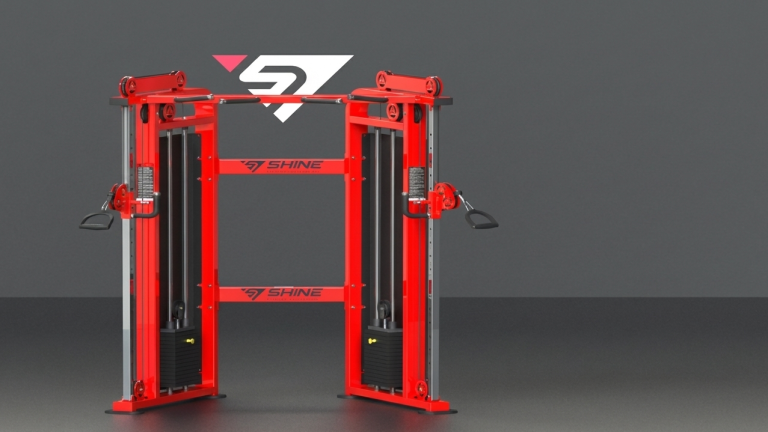
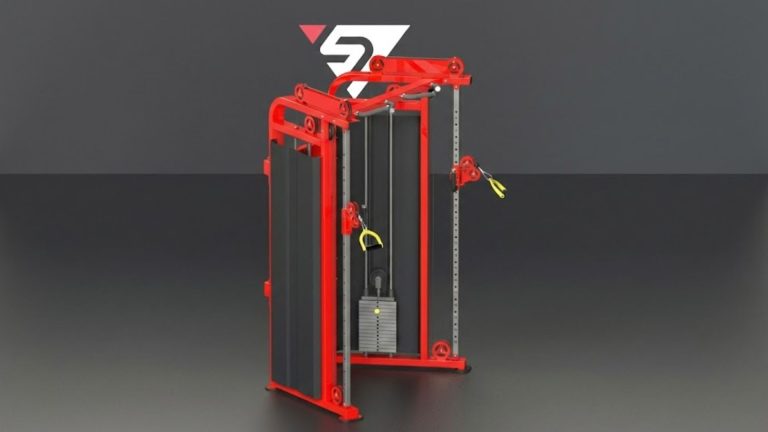
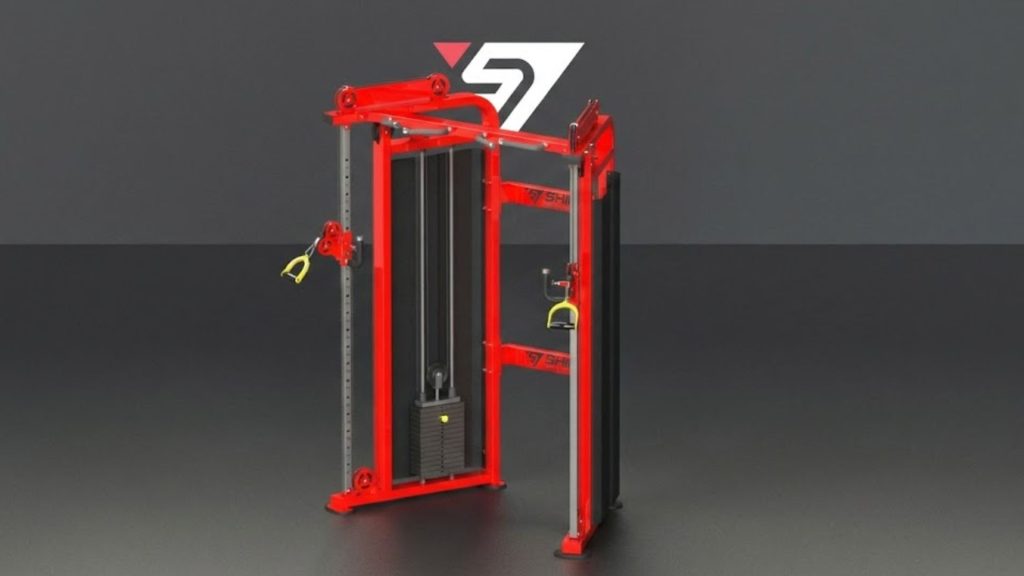
A functional trainer fits into this chaos because it does not force one way of movement. From my experience working around coaches, they love tools that adapt to the human body, not the other way around. This machine allows natural motion, which matters more than fancy looks.
Build Quality Is Not a Marketing Word
Honestly, build quality is one of those things people only notice when it is missing. Thin frames, shaky pulleys, or rough cables get exposed very fast in professional gyms.
A good functional trainer feels solid even when someone yanks the handle sideways without warning. That stability gives trainers confidence. Confidence changes how they coach, and that changes results.
What usually separates professional-grade equipment is:
- Thick steel frames that do not flex
- Smooth pulley movement that stays smooth over time
- Adjustments that do not jam after heavy use
Why Versatility Beats Specialization Here
In professional environments, space and time both matter. Trainers cannot afford ten different machines for ten different movements.
This is where a functional trainer quietly replaces many single-use stations. I have seen entire sessions built around one setup, from warm-up to strength work to rehab drills.
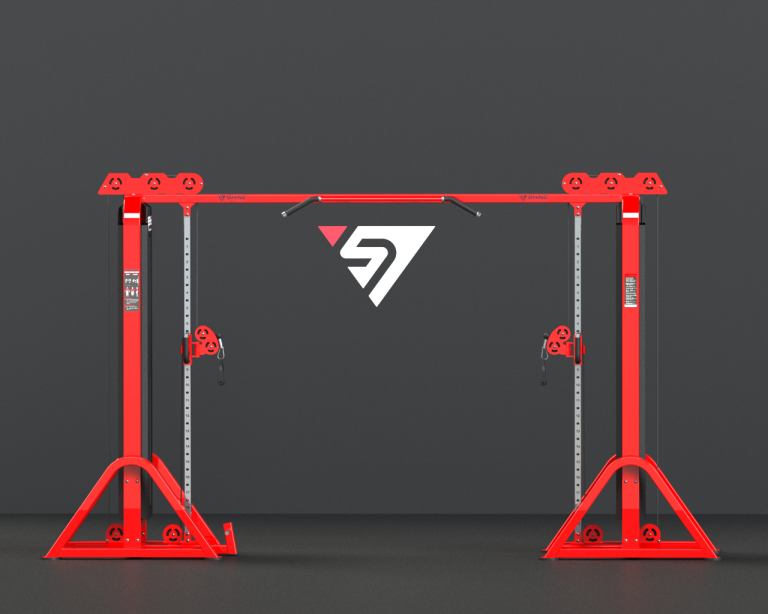
Compare that with something like a cable cross over machine, which is great but more limited in range. Or even a leg extension and leg curl machine, which does its job well but only one job. Professional training demands flexibility more than anything.
Movement Quality Over Heavy Numbers
One thing I noticed early on is that professional coaches care less about how heavy something looks and more about how it moves. Jerky resistance ruins control. Poor alignment encourages cheating.
A properly designed functional trainer keeps tension consistent. That consistency allows slow, controlled reps or explosive movements without sudden surprises. To be frank, that is what protects joints in the long run.
Adjustability Is Not Optional
If you have ever watched a trainer switch between clients in one session, you know speed matters. Seat heights, pulley positions, handle attachments, all need to change fast.
A serious functional trainer allows quick adjustments without tools or frustration. When setup becomes easy, trainers actually use the machine more creatively instead of avoiding it.
It Has to Handle Different Body Types
Professional gyms are not one-size-fits-all spaces. You see tall athletes, shorter rehab clients, heavy lifters, and beginners all sharing equipment.
This is where the design range matters. A well-thought-out functional trainer accommodates different heights and movement patterns without forcing awkward positions. That inclusiveness is a big reason it works so well in professional settings.
Durability Shows After Six Months, Not Day One
Anyone can make a machine look good on delivery day. The real test comes later.
After months of daily use, a cheap pulley system starts making noise. A weak frame starts shifting. Handles feel loose. Trainers notice these things quickly.
A professional-grade functional trainer still feels the same after months. That consistency builds trust, and trust keeps the machine central to training programs.
Why Coaches Keep Coming Back to It
From my experience, coaches are creatures of habit, but only when something works. They stick with tools that make their job easier.
The reason a functional trainer stays popular is simple. It allows:
- Natural movement patterns
- Easy progression and regression
- Safe training for injured clients
That combination is rare.
Comparing It to Other Equipment
I am not saying other machines are useless. They have their place.
A cable cross over machine is excellent for chest and upper body isolation. A leg extension and leg curl machine is useful for targeted lower body work, especially in rehab.
But in professional environments, those machines usually support training, while the functional trainer often becomes the core of it.
Read more : Premium Leg Curl Machine with Ergonomic Design & Smooth Motion
Space Efficiency Matters More Than You Think
Professional gyms often run on tight layouts. Every square foot counts.
One functional trainer can replace several bulky stations. That space efficiency allows better flow, safer movement, and less crowding. In real life, that matters a lot more than catalog photos suggest.
Safety Without Feeling Restrictive
One thing I personally like is how safe the movement feels without feeling locked in. Free weights can be risky for some clients. Fixed machines can feel unnatural.
A well-designed functional trainer sits in the middle. It guides movement but still allows freedom. That balance is perfect for professional training where safety and performance must coexist.
It Grows With the Client
What works for beginners should also work for advanced users.
I have seen clients start with light rehab pulls and months later perform powerful, athletic movements on the same setup. That growth is possible because the functional trainer does not limit progression.
Maintenance Reality in Busy Gyms
No one likes talking about maintenance, but it matters.
Professional gyms cannot afford downtime. Machines need to keep working even if maintenance gets delayed sometimes. A durable functional trainer handles this reality better than more complex setups.
When Trainers Trust Equipment, Results Improve
This part is subtle but important. When trainers trust equipment, they push clients appropriately. They do not hold back because of fear.
A trusted functional trainer encourages better programming, better effort, and better outcomes. That trust is earned over time, not advertised.
FAQs
Is a functional trainer suitable for beginners and athletes both?
Yes, that is actually its strongest point. It adapts to the user instead of forcing one level.
How is it different from a cable cross over machine?
The movement range and exercise variety are wider, making it more useful in professional settings.
Does it replace a leg extension and leg curl machine?
Not completely, but it reduces dependency on single-purpose machines.
Why do professional gyms prioritize this equipment?
Because it supports many training goals without constant equipment switching.
Is durability really that important?
In busy environments, durability decides whether equipment becomes a problem or a solution.
Do trainers prefer this over free weights?
They usually prefer having both, but this machine fills many gaps free weights cannot.
Conclusion
At the end of the day, professional training environments demand equipment that works in the real world, not just on paper. A functional trainer earns its place because it handles chaos, adapts to people, and keeps delivering without drama. That reliability is why it keeps showing up in serious gyms, year after year.