A functional training machine is one of the most versatile pieces of equipment a gym can own. With two adjustable cable pulleys, a single station supports pushing, pulling, rotating and lower-body exercises for members at every level. This guide explains how the machine works, why it suits commercial gyms, the main types available and exactly what to evaluate before you buy one for your facility.
What Is a Functional Training Machine and How Does It Work?
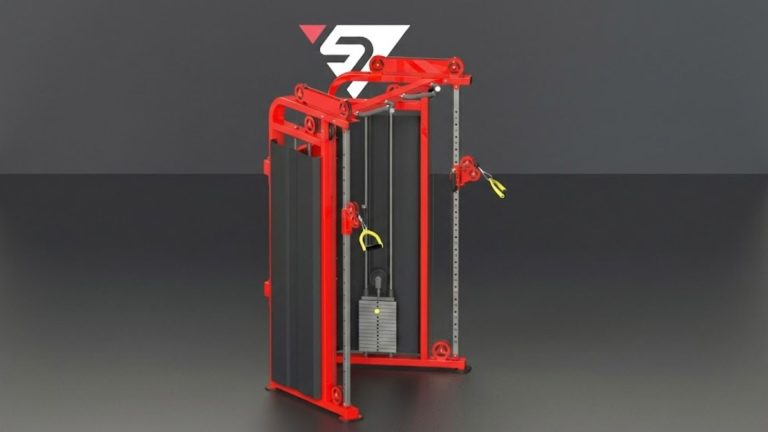
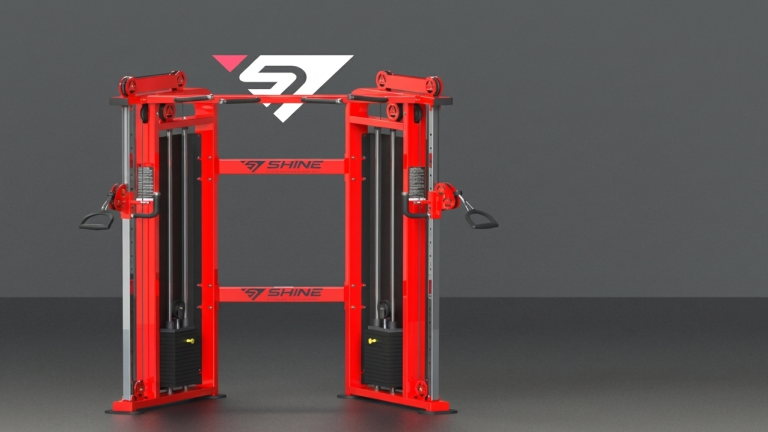
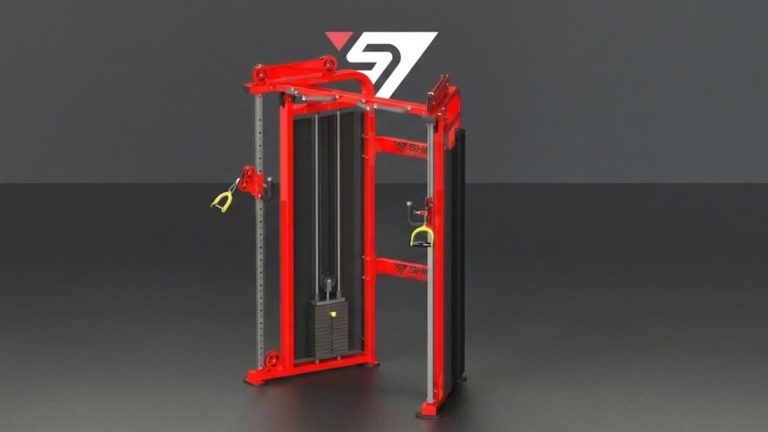
A functional training machine is a cable-based station, usually with two weight stacks and two pulleys that slide up and down vertical columns. Each pulley can be locked at different heights, and the cables can be pulled in almost any direction. That freedom is what separates it from a fixed-path strength machine.
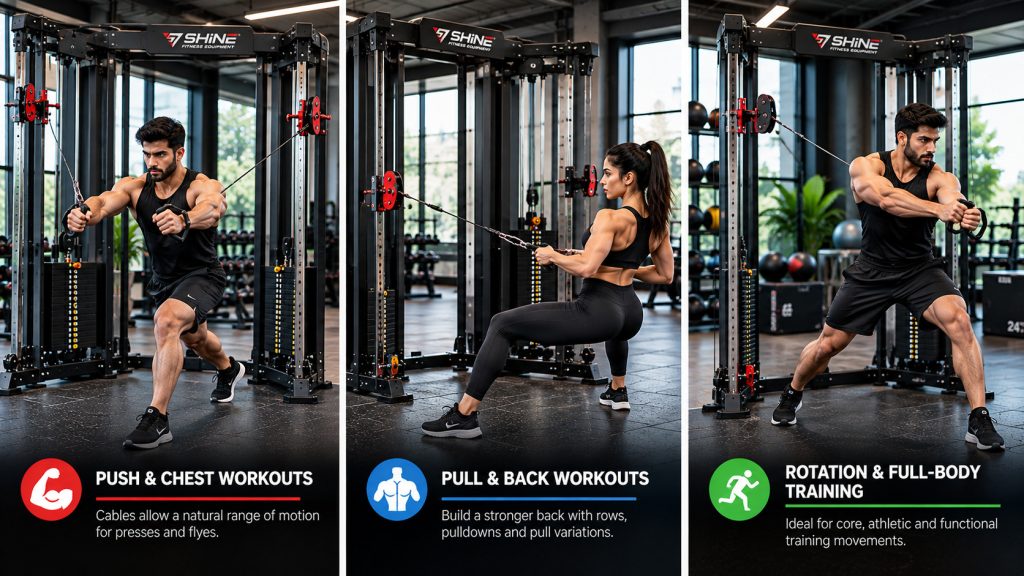
Functional training focuses on movements that resemble everyday and athletic tasks: pushing, pulling, rotating, lifting and carrying. A cable functional trainer supports these patterns because the resistance follows the direction of the cable rather than a set track, so the body has to stabilise itself through every repetition.
Many designs also use a 2:1 pulley ratio. This makes the load at the handle lighter than the plates selected and gives a longer cable travel, which allows smoother, faster and more athletic movements.
Benefits of Functional Training Machines for Commercial Gyms
For gym owners, a functional training machine offers a large number of exercises from a modest footprint. The key benefits include:
- Versatility: one station covers presses, rows, woodchops, curls, triceps extensions, squats and rehabilitation movements.
- Space efficiency: it can replace several single-purpose machines on a crowded training floor.
- Suitable for all levels: light starting weights and a free movement path suit beginners, older members and athletes alike.
- Unilateral training: independent arms allow single-arm and single-leg work that helps address strength imbalances.
- Value for trainers: personal trainers can programme varied sessions from one station, which strengthens PT services.
Because of this, a functional training machine is often among the most-used stations in a commercial gym, and it pairs naturally with other gym functional training equipment such as kettlebells, medicine balls and suspension straps.
Types of Functional Training Machines and Their Uses
Not every functional training machine is built the same way. The main types are described below.
Standard Dual-Stack Functional Trainer
The most common design has two independent weight stacks, two height-adjustable pulleys and a frame that often includes a pull-up bar. A functional trainer machine of this type is the workhorse of most general commercial floors.
Compact or Light Functional Trainer
A narrower build with lighter stacks, suited to studios, hotel gyms and corporate wellness rooms where space is limited.
Cable Crossover Station
A wider frame with pulleys at opposite ends, often described as a dual adjustable pulley machine when both pulleys move vertically. It suits chest flyes and wide-stance cable work but needs more floor area.
Smith Machine and Functional Trainer Combination
This multi-station layout combines a guided barbell with cable columns, giving a cable functional trainer and a Smith machine in a single footprint. It is a practical option for smaller facilities that still want variety.
Single-Stack Pulley Machine
One adjustable pulley and one stack. It is smaller and simpler, but only one member can train at a time and two-handed cable movements are limited.
| Type | Footprint | Best For | Main Limitation |
| Dual-stack functional trainer | Moderate | General commercial floors | Needs clearance on both sides |
| Compact or light trainer | Small | Studios, hotels, corporate gyms | Lighter weight stacks |
| Cable crossover station | Large | Chest flyes and wide cable work | Uses more floor space |
| Smith and functional trainer combo | Moderate to large | Space-limited gyms that want variety | Users compete for one station |
| Single-stack pulley | Small | Accessory and isolation work | One pulley only |
How to Choose the Right Functional Training Machine for Your Gym
Choosing the right functional training machine starts with your members and floor plan rather than the catalogue.
Match the Machine to Your Members
Busy commercial gyms benefit from a full dual-stack functional trainer machine with smooth, heavy stacks. Studios and rehabilitation-focused spaces may be better served by a compact model.
Plan the Floor Space
Allow clearance in front of and on both sides of the station, because members step out, lunge and rotate while using the cables. Check ceiling height if the frame includes a pull-up bar.
Decide on Integration
If you already have separate racks and a Smith machine, a standalone unit makes sense. If space is tight, a combination station may offer better value.
Think About Your Wider Range
A functional training machine works best alongside complementary functional training equipment such as plyo boxes, battle ropes and free weights, so plan the whole zone rather than a single machine.
What to Consider Before Buying a Functional Training Machine
Before you order, check the details that decide how the machine performs after years of daily use:
- Frame construction: heavy-gauge steel and clean welds keep the frame rigid when two members train at once.
- Pulleys and cables: smooth bearings and high-tensile cables reduce friction, noise and wear.
- Height adjustment: check the number of pulley positions and how easily the locking pin moves.
- Weight stack increments: smaller jumps help beginners and rehabilitation users progress gradually.
- Attachments: handles, ankle straps, ropes and bars add real value to the purchase.
- Service and spare parts: a local manufacturer can replace cables and bearings quickly.
A common mistake is choosing a machine on price alone. A low-cost cable functional trainer with rough pulleys or thin cables can quickly become a maintenance burden on a busy floor. Buying a functional training machine directly from a manufacturer such as Shine Fitness, which builds its strength range in-house at Chandrala, Gujarat, gives you written specifications and direct after-sales support.
Frequently Asked Questions About Functional Training Machines
What is the difference between a functional trainer and a cable crossover?
A functional trainer machine is usually compact, with two pulleys that adjust along closely spaced columns. A cable crossover is wider, with pulleys at opposite ends that suit chest flyes. Both are types of dual adjustable pulley machine, but the functional trainer uses noticeably less floor space.
Is a functional training machine good for beginners?
Yes. A functional training machine suits beginners because it offers light starting resistance, adjustable pulley heights and a natural range of motion. Trainers can teach basic pushing, pulling and squatting patterns before moving members on to free weights and heavier loads.
How much space does a functional trainer need?
Beyond the machine's own footprint, allow extra clearance in front and on both sides for lunges, rotations and presses. Check the manufacturer's stated dimensions and plan the surrounding area so members can move freely without blocking walkways.
What exercises can you do on a dual adjustable pulley machine?
A dual adjustable pulley machine supports chest presses, flyes, rows, lat pulls, woodchops, Pallof presses, curls, triceps pushdowns, squats, lunges and glute kickbacks. Changing pulley height and body position lets you train almost every muscle group from one station. For a complete routine with step-by-step guidance, see our list of the 20 best functional trainer exercises for a full-body workout.
Is a functional trainer worth it for a commercial gym?
For most commercial gyms, yes. It offers many exercises in one footprint, suits every member level and supports personal training. As part of a wider range of gym functional training equipment, it usually earns its floor space through consistently high daily usage.
What other functional training equipment should a gym buy?
Useful additions include kettlebells, medicine balls, plyo boxes, battle ropes, suspension trainers, sleds and agility tools. Combining this functional training equipment with a cable station creates a dedicated zone for athletic, rehabilitation and small-group training sessions.
How do I maintain a cable station?
Wipe down cables and upholstery regularly, inspect cables for fraying, check that pulleys rotate smoothly and keep guide rods lubricated as the manufacturer recommends. Replace worn cables immediately, because a failing cable is a genuine safety risk for members.
Conclusion
A functional training machine is one of the smartest investments a commercial gym can make, because it delivers versatility, space efficiency and value for members at every level. Choose the type that fits your floor, check frame, pulley and cable quality carefully, and build a complete zone of gym functional training equipment around it. Supporting the station with the right functional training equipment turns it into a hub for personal training, group sessions and everyday strength work.
If you are planning a functional training area, measure your available space and list the exercises your members use most. Explore the Shine Fitness strength range or request a quote for recommendations based on your gym.