A functional trainer machine is a dual-adjustable cable station that lets members perform pushing, pulling, rotating and single-limb movements from almost any angle, which makes it one of the most versatile pieces a commercial gym can own. This guide explains how the machine works, what separates a commercial-grade unit from a light-duty one, which construction details matter, how to think about cost, and which buying mistakes gym owners commonly make. By the end, you should be able to compare options with a clear checklist instead of relying on brochure claims.
What Is a Functional Trainer Machine?
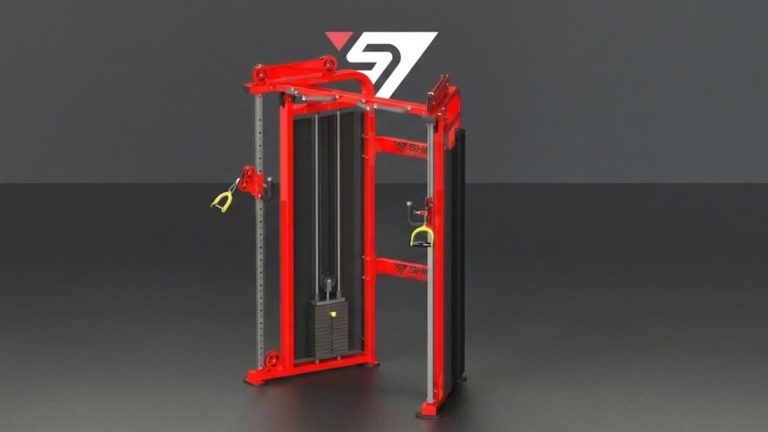
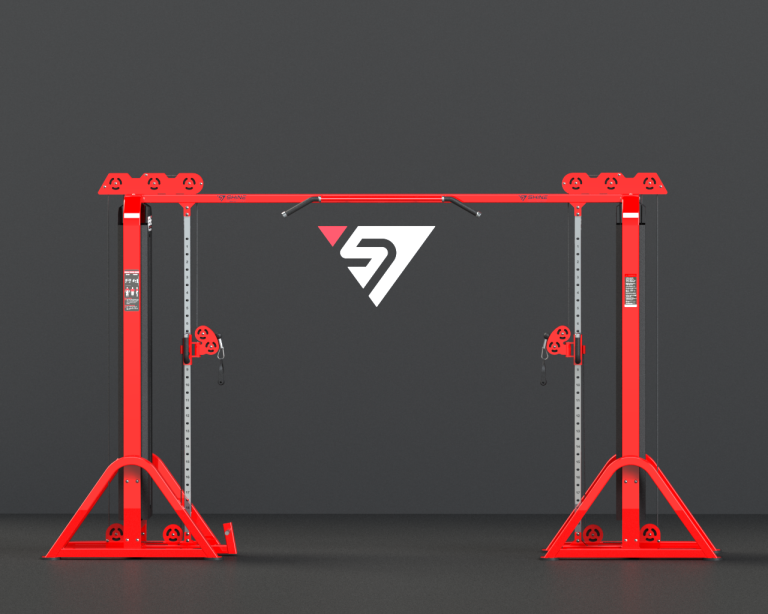
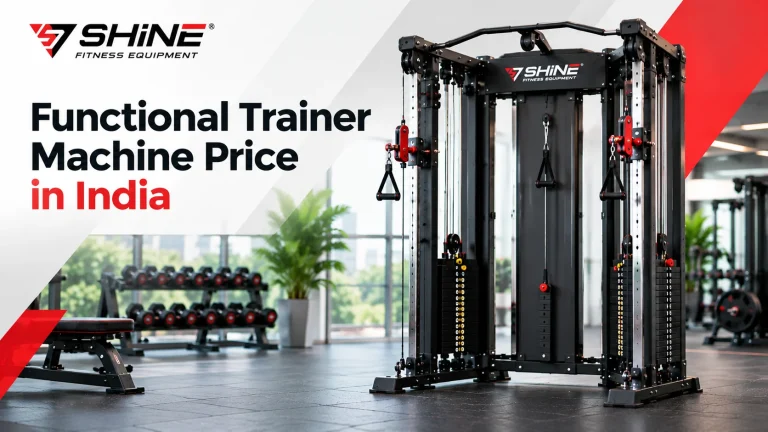
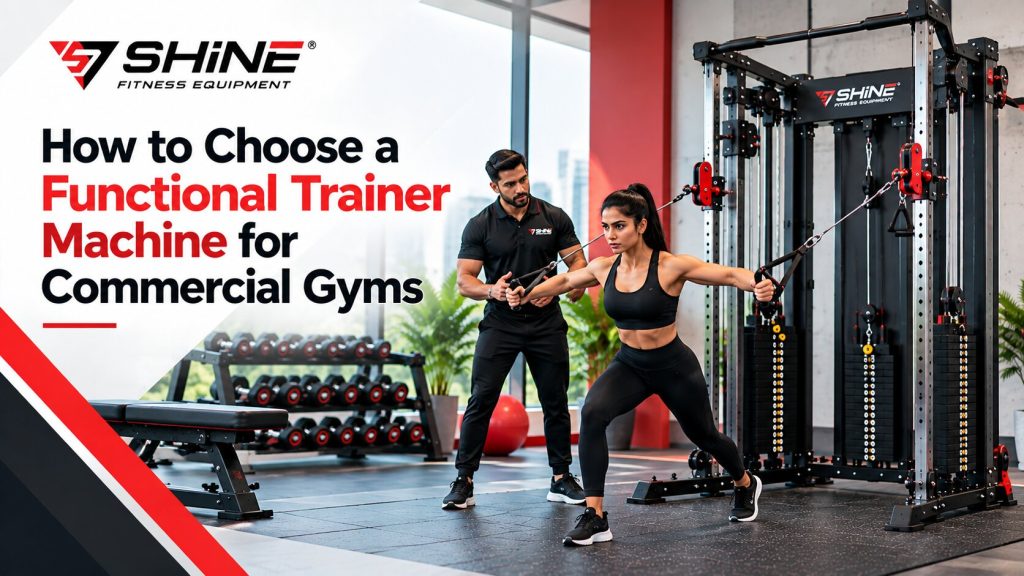
A functional trainer machine usually consists of two independent weight stacks, each connected to an adjustable pulley column. The pulleys slide up and down the uprights and lock at multiple heights, so a trainer can set one cable at shoulder height and the other near the floor. Most frames also include a pull-up bar across the top and attachment points for handles, ropes and ankle straps.
The idea behind the design comes from functional training, an approach that focuses on movements resembling everyday or sport-specific tasks rather than isolating one muscle at a time. Because the cables do not fix the path of movement, the user controls balance, posture and range, which engages stabilising muscles that a guided machine often leaves out.
How It Differs From a Standard Cable Crossover
A traditional cable crossover is wide and fixed in footprint, typically designed for chest flys and a limited set of exercises. A functional trainer machine is more compact, the pulley arms often swivel, and the height adjustment is faster. That makes it better suited to circuits, personal training sessions and members who move quickly between exercises.
Why Commercial Gyms Invest in a Functional Trainer Machine
Floor space is expensive, and every station has to justify the area it occupies. A single functional trainer machine can replace several single-purpose units because it covers chest presses, rows, lateral raises, woodchops, cable kickbacks, Pallof presses and many other movements.
For gym owners, that versatility translates into practical benefits:
- Higher utilisation: One station serves beginners, athletes, rehabilitation clients and personal trainers throughout the day, rather than sitting idle outside peak hours.
- Training variety: Members can work unilaterally, which helps expose strength imbalances between the left and right side of the body.
- Personal training revenue: Trainers can design progressive programmes on one station, which supports paid sessions and small-group classes.
- Joint-friendly loading: Cable resistance is smooth and adjustable in small increments, which suits older members and those returning from injury under qualified guidance.
This is why a functional trainer machine for gym floors is often one of the first strength stations planners specify after racks and benches.
Advantages and Disadvantages to Weigh
No machine suits every facility, so it is worth looking at both sides before committing budget.
| Factor | Advantages | Disadvantages |
| Versatility | Supports hundreds of exercise variations | Members may need coaching to use it well |
| Space | Replaces several single-purpose machines | Needs clear working space in front and to the sides |
| Loading | Smooth, adjustable cable resistance | Maximum load is lower than barbell or plate-loaded work |
| Users | Suits all fitness levels | Two users can share it, but only with good floor etiquette |
| Maintenance | Few moving parts beyond cables and pulleys | Cables and pulleys need routine inspection and replacement |
The disadvantages are manageable. Coaching gaps can be closed with exercise charts and staff orientation, and maintenance becomes routine once a schedule is in place.
Commercial vs Light-Duty Functional Trainers
The biggest decision is whether you need a genuine commercial functional trainer machine or a lighter unit designed for home or low-traffic use. The difference shows up after months of continuous use rather than on the showroom floor.
| Feature | Commercial-grade | Light-duty / home |
| Frame | Heavy-gauge steel with reinforced welds | Thinner tubing, often bolted |
| Usage pattern | Many users daily, long operating hours | Occasional use by a few people |
| Cables | Higher-grade coated steel cable | Basic cable, faster wear |
| Pulleys | Sealed bearings, smoother travel | Simpler bushings |
| Weight stack | Guide rods with consistent stack travel | Lighter stacks, more play |
| Finish | Powder-coated, resistant to sweat and chalk | Basic paint or thinner coating |
A commercial functional trainer machine costs more upfront, but it is built to tolerate repeated loading, uneven use and the occasional dropped handle. In a busy gym, a light-duty unit often ends up costing more through downtime and replacement parts.
Key Factors When Choosing a Functional Trainer Machine
Once you have decided on commercial grade, the next step is comparing specific build features. These are the points worth checking on every functional trainer machine you shortlist.
Frame Construction and Welding
Look at the steel section size, wall thickness and weld quality. Clean, continuous welds and a stable base indicate a frame that will stay rigid when two people pull hard at the same time. Ask the manufacturer what steel gauge is used and whether the uprights are reinforced at the pulley carriage points.
Pulley Adjustment and Range
Check how many height positions are available and how easily the carriage locks. A pop-pin that engages cleanly saves trainers time between sets. Swivelling pulley heads allow the cable to follow the user's line of movement, which keeps the cable from rubbing against the housing.
Cable Ratio and Weight Stack
Many functional trainers use a 2:1 cable ratio, which means the user lifts a portion of the stack weight but gets a longer cable travel. This suits fast, athletic movements and allows finer load progression. Confirm the ratio, the stack increments and whether the stack is shrouded for safety.
Footprint and Clearance
Measure the footprint and add the space users need in front, behind and on both sides. Lunges, rotations and walk-out presses require more room than the machine itself occupies. Place the unit where it does not block walkways or emergency routes.
Attachments and Storage
Handles, ropes, straps and bars are usually included or sold separately. Built-in accessory storage keeps the area tidy and reduces the number of small items that go missing.
Understanding Functional Trainer Machine Price in India
Buyers often ask for a single figure, but the functional trainer machine price in India varies widely because no two models are built the same way. Rather than comparing headline prices alone, compare what you are getting for that money.
The main factors that influence cost include:
- Steel quality and gauge: Heavier sections and thicker walls add material and fabrication cost but improve stability.
- Weight stack size: Larger stacks per side require more plates and longer guide rods.
- Cable and pulley components: Coated cables and sealed-bearing pulleys cost more but last longer.
- Customisation: Custom colours, upholstery, branding or non-standard dimensions add to the build.
- Delivery and installation: Freight, on-site assembly and levelling should be clearly listed in the quote.
When requesting a quote, ask for a line-by-line breakdown. A transparent manufacturer will separate the machine cost from delivery and installation, which helps you compare fairly. You can request a detailed quote to understand the functional trainer machine price in India for your exact configuration. Buying directly from a manufacturer can also make the functional trainer machine price in India easier to negotiate on multi-unit orders, since there are fewer intermediaries.
Where a Functional Trainer Fits in Your Equipment Plan
A functional trainer works best as part of a balanced floor, not as a standalone purchase. It sits naturally alongside racks, benches and selectorised machines within a broader range of functional training equipment.
A practical layout often groups the functional trainer near open floor space used for kettlebells, medicine balls and bodyweight work. That way, trainers can move clients between free movement, cable work and conditioning without crossing the gym. Other functional training equipment such as suspension straps and plyo boxes complements the cable station rather than competing with it.
For a mid-sized commercial facility, one or two units is usually enough to start. Larger gyms with heavy personal training activity may benefit from more. Track how often the stations are occupied during peak hours before adding more, since utilisation data is a better guide than guesswork.
Common Mistakes to Avoid
Most buying problems come from rushing the decision or focusing only on price. Avoid these errors:
- Ignoring clearance space: A machine that fits against the wall but leaves no room to lunge will be underused.
- Choosing light-duty for commercial traffic: Home units rarely survive the daily load of a busy gym.
- Skipping maintenance planning: Cables are wear parts, so plan inspections from day one.
- Not checking after-sales support: Ask who supplies spare cables, pulleys and pins, and how quickly.
- Overlooking warranty terms: Read what the warranty covers for the frame, moving parts and upholstery separately.
Maintenance Tips for Long Service Life
Regular care keeps a functional trainer safe and smooth. Inspect cables weekly for fraying, kinks or exposed strands, and replace any damaged cable immediately. Wipe down guide rods and apply a suitable lubricant as recommended by the manufacturer. Check that pop-pins, carabiners and attachment clips close securely, and tighten any loose bolts during monthly checks. Keeping a simple maintenance log helps staff track parts and spot recurring issues early.
A well-maintained functional trainer machine for gym use can remain a dependable station for many years, which strengthens its return on investment.
Once the station is installed, our guide to the 20 best functional trainer machine exercises for a full-body workout shows how members and trainers can get the most out of it.
Frequently Asked Questions
What is a functional trainer machine used for?
A functional trainer machine is used for cable-based exercises from multiple angles, including presses, rows, rotations and single-arm work. It helps members build strength, stability and coordination while letting trainers create varied programmes on one compact station.
Is a functional trainer machine good for a commercial gym?
Yes. A commercial-grade unit suits gyms because it serves many users, supports personal training and replaces several single-purpose machines. Choose a heavy-gauge steel frame, quality cables and sealed pulleys to handle daily high-traffic use reliably.
What affects the functional trainer machine price in India?
Price depends on steel gauge, weight stack size, cable and pulley quality, customisation, and delivery or installation charges. Comparing detailed quotes line by line gives a clearer picture than comparing headline prices between different models and suppliers.
How much space does a functional trainer need?
Allow the machine footprint plus clear working space in front and on both sides for lunges, rotations and walk-out presses. Check the manufacturer's dimensions and plan the layout so the station does not block walkways or emergency exits.
What is the difference between a functional trainer and a cable crossover?
A cable crossover is wider and mainly built for chest and fixed-path cable work. A functional trainer is more compact, adjusts height quickly and often has swivelling pulleys, making it better for varied, athletic and single-limb training.
How often should functional trainer cables be replaced?
There is no fixed interval because wear depends on usage. Inspect cables weekly and replace them as soon as you see fraying, kinks or exposed strands. Busy commercial gyms should keep spare cables available to avoid downtime.
Can beginners use a functional trainer machine safely?
Yes, with basic guidance. The adjustable loads and smooth cable resistance suit beginners well. Staff orientation, exercise charts and starting with light weights help new members learn correct posture before progressing to heavier or faster movements.
Conclusion
Choosing the right functional trainer machine comes down to matching the build quality to your traffic, checking frame construction, pulley design and cable ratio, and planning enough space for members to move freely. A commercial functional trainer machine costs more than a light-duty unit, but its durability and versatility make it a sound long-term investment for busy facilities. Compare quotes in detail, plan maintenance from the start, and position the station alongside the rest of your strength floor.
If you are planning a new floor or upgrading an existing one, review your available space, member profile and expected usage before shortlisting models. Explore the Shine Fitness strength range or contact the team for guidance on a functional trainer machine that suits your facility.