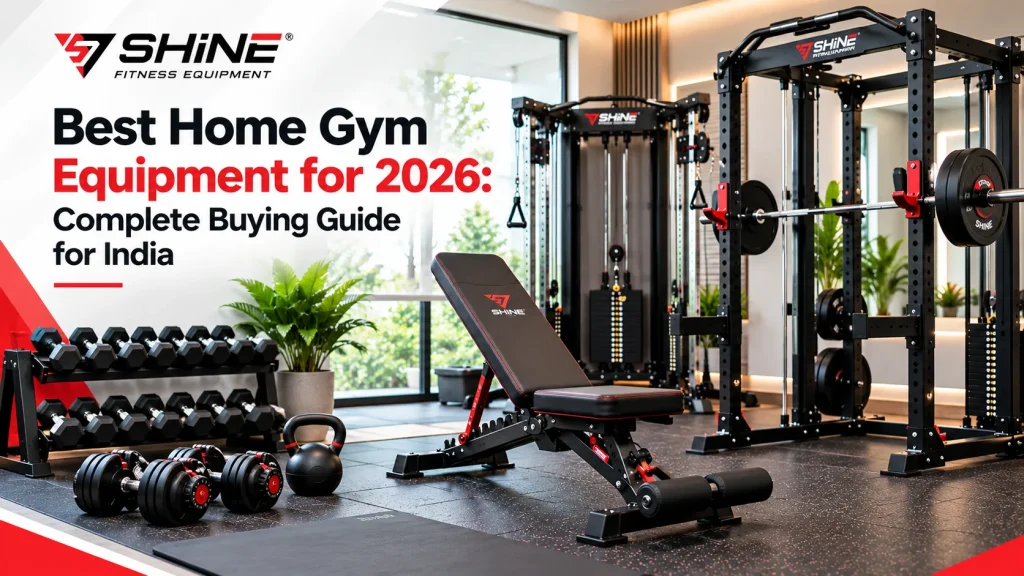
The best home gym equipment for you is the set that matches your training goal and your room — not the longest spec list. For most people that means an adjustable bench, adjustable dumbbells spanning 2.5–40 kg, 15–25 mm rubber flooring, and a rack with a 20 kg barbell once you have 2.4 m of ceiling. Choose by goal first, then by the space you can realistically commit.
This guide is a decision framework rather than a shopping list. If you want a tier-by-tier breakdown of what to spend, pair it with our companion guide to budget to premium home gym options; here, the focus is matching gear to how you actually train.
What Decides the Best Home Gym Equipment for You?
Four inputs decide every good buying choice: your primary training goal, the floor and ceiling you can commit, how many days a week you will realistically train, and your total budget including delivery and installation. Get these four right and the equipment list almost writes itself. Skip them and you end up with a machine that looks impressive and sits unused.
The order matters. Goal comes first because it decides which movements you need to load, space comes second because it rules certain machines in or out, and budget comes last because it only sets how far up the quality ladder you climb. A common mistake is reversing that order — shopping by price, then discovering the gear does not suit the training you wanted to do.
Match the Equipment to Your Training Goal
General fitness and fat loss
If your aim is staying lean and healthy, you need variety more than heavy load. An adjustable bench, a pair of adjustable dumbbells, a kettlebell or two, and a skipping rope cover strength, conditioning, and mobility in under 5 m². The World Health Organization's target of 150 minutes of moderate activity plus two strength sessions a week is comfortably met with this kit alone.
Strength
Strength training is barbell territory. A 20 kg Olympic barbell (2.2 m), colour-coded plates from 2.5 to 25 kg, a power rack, and a bench give you squat, press, deadlift, and row — the movements that build the most strength per hour. This is also where build quality matters most: a bar bending under load or a rack that flexes is both frustrating and unsafe.
Muscle and physique
For hypertrophy you want constant tension and easy load changes. Here a cable station or functional trainer earns its space, because it lets you hit angles a barbell cannot and change weight in seconds. Pair it with dumbbells and a bench and you can train every muscle group to failure without reloading plates between sets.
Choosing Home Gym Equipment for Beginners
The best home gym equipment for beginners is a small, forgiving core set: an adjustable bench, adjustable dumbbells, and 15–25 mm rubber flooring. It costs the least, takes the least space, and trains the widest range of movements while you learn technique. Resist the urge to buy a specialist machine for every muscle in month one — you do not yet know which exercises you will stick with.
Start with three or four sessions a week and let your habits prove themselves over two to three months before adding a rack or barbell. Beginners who buy in phases almost always end up with a setup they use; those who buy everything at once often end up with a clothes rack made of steel.
Which Home Gym Machine Is Worth the Footprint?
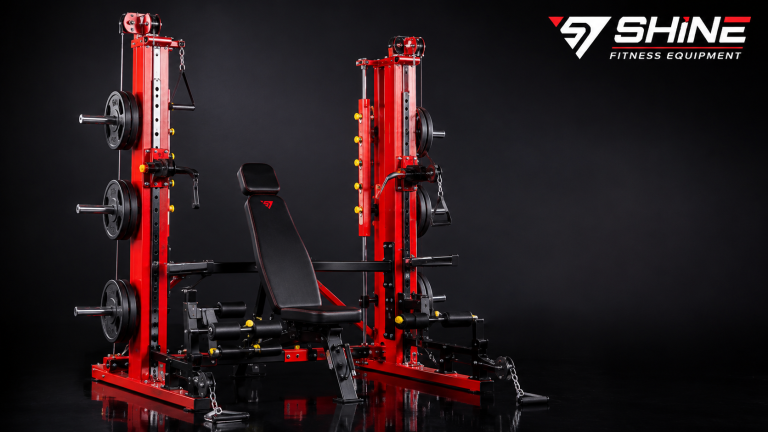
At home, every home gym machine competes for floor space, so versatility per square metre is the test it has to pass. A functional trainer or cable station is usually the best single machine to add after free weights, because one unit covers dozens of pulls, presses, and rotational movements. A Smith machine suits solo lifters who want guided pressing without a spotter. A leg press is worth it only if lower-body machine work is central to your plan, since it is large and single-purpose.
Before buying any machine, measure twice. A cable machine needs roughly 1 m of depth behind it for the stack and cable travel, and most full-size machines need 2.1–2.3 m of height. If a unit will dominate the room, a bench-and-dumbbell setup you actually use beats a machine you squeeze in and resent.
How Much Does a best home gym equipment Setup Cost?
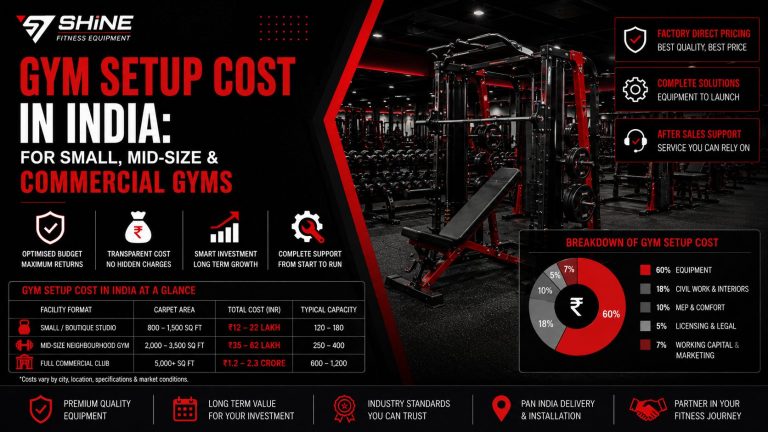
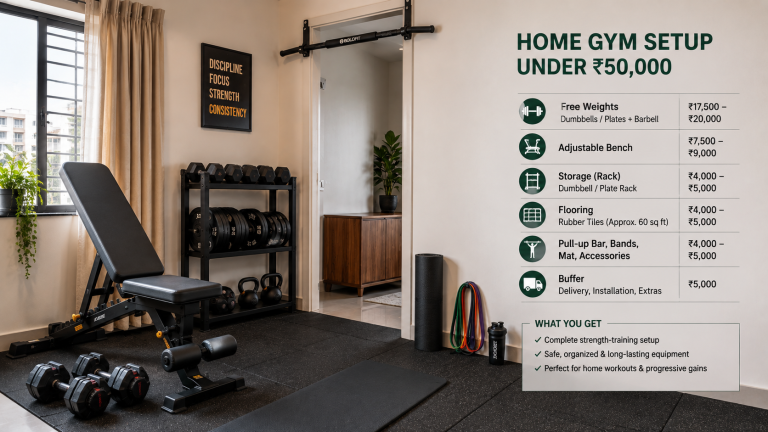
The honest answer is that home gym setup cost scales in tiers rather than landing on one number. A budget tier of bench, dumbbells, and flooring is the entry point; a mid tier adds a barbell, plates, and a rack; a premium tier adds commercial-grade machines built to gym-floor standards. The step up between tiers is mostly steel gauge and engineering, which is what determines how many years the gear survives daily use. For a full breakdown of what each tier includes, the companion guide to budget to premium home gym options walks through it in detail, and a direct quote against your exact list is the only way to get an accurate figure for your room.
Where to Buy: Suppliers vs Manufacturers
Who you buy from affects price, parts, and how long the gear lasts. Established gym equipment suppliers in India range from resellers, who add a margin and may not service what they sell, to manufacturers, who can offer factory-direct pricing, stock genuine spare parts, and build custom sizes for a tight room.
Buying from a gym equipment manufacturer in India is usually the better long-term call for exactly these reasons. Shine Fitness, for instance, fabricates in-house at Chandrala, Gujarat, and has supplied gyms since 2007, so it can build a rack or bench to a specification when a standard unit will not fit — and support it with parts years down the line. Commercial-grade frames typically use 11-gauge (about 3 mm) steel, which is the single clearest marker of gear built to last.
Planning the Space Room by Room
- Apartment or balcony (under 4 m²): adjustable dumbbells, a foldable bench, a kettlebell, and interlocking 15 mm tiles. No rack — ceiling and floor loading rarely suit one.
- Spare bedroom (6–9 m²): add a half rack and a 20 kg barbell if the ceiling clears 2.4 m, with 20–25 mm flooring under the lifting zone.
- Garage or dedicated room (9 m² and up): a full power rack, barbell, bench, and a cable machine fit comfortably, with room to drop a loaded bar safely on both sides.
Measure ceiling height before committing to any rack: overhead pressing needs at least 2.4 m, and 2.6 m is safer if you press standing. A rack you cannot stand under safely is money wasted.
Common Mistakes and When Not to Build a Home Gym
A best home gym equipment is not right for everyone, and the most useful advice is sometimes to wait. Hold off if you train fewer than three days a week and are unsure that will change — a membership is cheaper than idle steel. Skip a full rack if your ceiling is under 2.2 m, since overhead and bailed-rep safety both suffer. Avoid heavy commercial machines if you rent short-term or move often, because they are a liability to shift. And if your goal is purely cardio or classes, a single cardio machine or open floor serves you far better than a strength build-out.
The recurring errors are the same ones: buying too much too soon, choosing light-duty gear for training you will progressively load, ignoring ceiling height, forgetting flooring, and sourcing from resellers with no parts support. Avoid those five and the setup becomes an asset rather than a lesson.
Frequently Asked Questions
What is the best home gym equipment to start with?
An adjustable bench, adjustable dumbbells, and 15–25 mm rubber flooring. This trio trains most foundational movements, fits in about 4 m², and leaves room to add a rack and barbell once your routine is established.
How do I choose best home gym equipment?
Choose by goal and space, not by spec sheet. Beginners do best with a small, versatile core set and three to four sessions a week, adding specialist pieces only after two to three months of consistent training.
Is a best home gym equipment worth it, or should I stick to free weights?
Start with free weights, which cost less and train more per square metre. Add a machine — ideally a cable station or functional trainer — once you know your routine and have the floor space, since it adds angles free weights cannot.
How much does a best home gym equipment setup cost in India?
It scales in tiers: a bench-and-dumbbell budget tier, a mid tier with a barbell and rack, and a premium tier with commercial-grade machines. The spend mostly reflects steel gauge and build quality, so request a quote against your exact list.
Should I buy from a supplier or a manufacturer?
A manufacturer usually offers factory-direct pricing, genuine spare parts, and custom sizing for tight rooms. Resellers add margin and may not service the equipment, which matters over the years a best home gym equipment should last.
How much space do I need?
A bench and dumbbells fit in about 4 m²; a rack setup wants 6–9 m² plus at least 2.4 m of ceiling; a cable machine needs roughly 1 m of depth behind it. Always measure before buying heavy pieces.
Conclusion
The best home gym equipment is never a universal list — it is the set that fits your goal, your room, and the days you will truly train. Decide the goal first, rule machines in or out by the space you have, and only then let budget set how far up the quality ladder you climb. Buy the versatile essentials, prove the habit, and expand in phases.
When you are ready to build, sourcing from a manufacturer protects the investment with factory-direct pricing and real parts support. Explore the Shine Fitness equipment range, read the full budget to premium home gym options, or request a quote for a setup matched to your room and goals.