Strong, well-developed legs are the foundation of nearly every athletic movement, and the leg curl machine is one of the most reliable tools for building them. Found in commercial gyms, training studios, and home setups around the world, this machine isolates the hamstrings in a way that few free-weight exercises can match. Whether you're a gym owner choosing equipment or a fitness enthusiast refining your routine, understanding how this machine works helps you get the most from every session. In this guide, we'll cover the different types, the benefits, proper technique, and what truly separates a high-quality machine from an average one.
The leg curl machine has remained a gym staple because it targets a muscle group that's often neglected in lower-body training. Many people focus heavily on quads through squats and presses, leaving the hamstrings underdeveloped. This imbalance can lead to poor performance and a higher risk of injury. A dedicated leg curl machine solves that problem with safe, controlled resistance, making it a smart investment for any serious fitness space.
What Is a Leg Curl Machine?
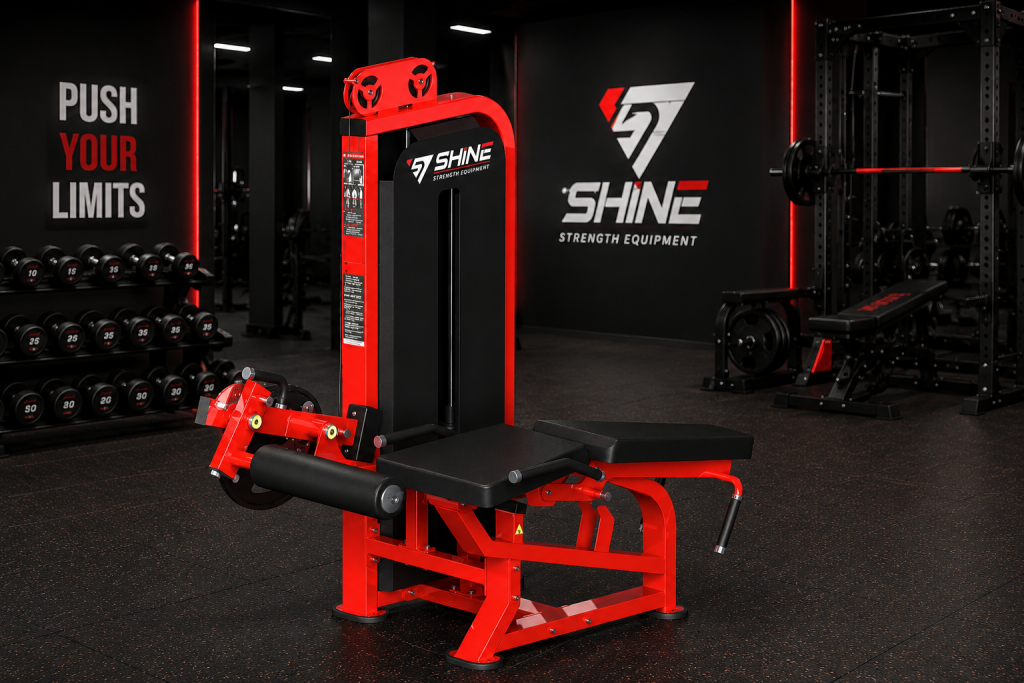
A leg curl machine is a strength training tool designed to isolate and strengthen the hamstrings, the muscles at the back of the thigh. The user curls a padded lever toward the body using only the legs, while the rest of the body stays supported and stable. This isolation allows for focused hamstring development without involving other muscle groups.
Because the movement is controlled and guided, the machine offers a safer alternative to free-weight hamstring exercises. It's especially useful for beginners, rehab clients, and anyone looking to add targeted volume to their lower-body training.
Types of Leg Curl Machines
Not all leg curl machines work the same way. Different designs suit different training styles, body types, and gym needs. Knowing the main types helps both lifters and buyers make better decisions.
Seated Leg Curl Machine
The seated leg curl has the user sitting upright with legs extended, curling the pad downward. This position keeps the back supported and is comfortable for most users. It's a popular choice in commercial gyms because it suits a wide range of body types.
Lying (Prone) Leg Curl Machine
In the lying version, the user lies face down and curls the pad up toward the glutes. This design allows for a deep hamstring contraction and is favored by many experienced lifters. It does require proper hip positioning to avoid lower-back strain.
Standing Leg Curl Machine
The standing leg curl works one leg at a time while the user stands upright. This unilateral approach helps correct muscle imbalances between legs. It's a great option for athletes and those focused on balanced development.
Key Differences to Consider
- Seated: Best for comfort and beginner-friendly training
- Lying: Best for deep contraction and advanced hamstring isolation
- Standing: Best for single-leg focus and correcting imbalances
Muscles Worked by the Leg Curl Machine
While the leg curl is known as a hamstring exercise, it engages several supporting muscles as well. This makes it more valuable than many people realize.
- Hamstrings: The primary target, including the biceps femoris, semitendinosus, and semimembranosus
- Calves (gastrocnemius): Assist during the curling motion
- Glutes: Provide secondary support, especially in the lying variation
- Core muscles: Help stabilize the body throughout the movement
By strengthening the hamstrings directly, the machine also supports knee stability and improves overall lower-body balance.
Key Benefits of Using a Leg Curl Machine
The leg curl machine offers practical advantages that go beyond just building bigger legs. These benefits explain why it stays in demand across gyms of all sizes.
- Targeted hamstring isolation: Few exercises hit the hamstrings as directly
- Improved muscle balance: Helps offset quad-dominant training for safer movement
- Reduced injury risk: Stronger hamstrings support the knees and lower body
- Better athletic performance: Powerful hamstrings improve sprinting, jumping, and lifting
- Beginner-friendly design: The guided motion is easy to learn and control
- Joint-friendly resistance: Smooth tension reduces unnecessary stress on the knees
- Adjustable for all levels: Suitable for beginners, athletes, and rehab clients
- Time efficiency: Delivers focused results in a short, controlled exercise
For gym owners, these benefits also carry business value. A machine that's safe, effective, and appeals to a broad range of members tends to stay in constant use, making it a dependable long-term investment.
How to Use a Leg Curl Machine Properly
Proper form is what turns the leg curl into a truly effective exercise. While the machine is easy to use, poor technique can reduce results and increase strain. Follow these steps for clean, controlled reps.
- Adjust the machine: Set the seat or pad so the movement aligns with your knee joint
- Position your legs: Place your ankles correctly against the padded lever
- Engage your core: Keep your torso stable and avoid arching your back
- Curl with control: Squeeze your hamstrings to move the pad through the full range
- Pause at the peak: Hold briefly at the top for maximum contraction
- Return slowly: Lower the weight in a controlled motion without dropping it
Common Mistakes to Avoid
- Using momentum or swinging the weight instead of controlled curls
- Setting the wrong seat or pad position, which misaligns the knees
- Lifting the hips off the pad during lying curls
- Choosing too much weight and sacrificing form
- Rushing reps instead of focusing on the hamstring squeeze
A slower, controlled tempo with a strong contraction will always deliver better results than heavy weight with sloppy form.
What Makes a High-Quality Leg Curl Machine
Build quality has a direct impact on safety, comfort, and how long the equipment lasts. For any serious gym machine manufacturer, these are the factors that define a truly reliable machine.
Frame and Material Strength
A durable machine starts with a solid frame. Heavy-gauge steel, rust-resistant coatings, and reinforced welds ensure the machine handles thousands of reps without weakening. Lower-grade materials may cut costs but often fail under heavy commercial use.
Smooth Movement and Engineering
The cam systems, bearings, and pulleys determine how smooth the resistance feels. A well-engineered machine offers consistent tension with no sticking points, improving both the workout experience and long-term durability.
Comfort and Adjustability
User comfort keeps members returning. Quality padding, adjustable pads, and ergonomic positioning allow people of different heights and body types to train safely. Easy adjustments also make the machine accessible to more users.
Safety Standards
Reliable equipment meets recognized safety standards, with secure weight stacks, stable frames, and proper movement paths. For commercial gyms, this protects members and reduces liability.
Choosing the Right Equipment for Your Gym
Buying gym equipment is a long-term commitment, so the decision deserves careful planning. Whether you're opening a new facility or upgrading existing machines, a few priorities should guide your choice.
- Durability: Commercial-grade machines should handle years of daily use
- Maintenance needs: Look for equipment that's easy to clean, service, and repair
- Customization options: A trusted fitness equipment manufacturer can tailor finishes, branding, and specs
- Warranty and support: Strong after-sales service protects your investment
- Space efficiency: Choose machines that fit your floor plan comfortably
- User appeal: Comfortable, effective equipment drives member retention
Partnering with an experienced leg curl machine manufacturer ensures you receive equipment engineered for real-world performance instead of just a low price. The right manufacturer understands how commercial gyms operate and builds machines designed to last.
Smart Trends Shaping Modern Fitness Equipment
The fitness industry continues to evolve, and equipment is becoming smarter and more user-focused. Today's gyms increasingly seek machines that blend proven mechanics with modern technology.
- Smart tracking: Sensors that monitor reps, weight, and progress
- Compact home gym designs: Space-saving machines built for the growing home fitness market
- Customizable resistance: Adjustable systems that adapt to different training goals
- Improved ergonomics: Designs focused on comfort, joint safety, and accessibility
- Sustainable manufacturing: Eco-friendly materials and energy-efficient production
These trends point toward equipment that delivers both performance and lasting value. For gym owners, keeping pace with these developments helps attract and retain members in a competitive market.
Conclusion
The leg curl machine remains one of the most effective tools for building strong, balanced hamstrings while supporting knee stability and overall lower-body strength. With its safe, controlled movement and beginner-friendly design, it earns its place in commercial gyms and home setups alike. By understanding the different types, mastering proper technique, and investing in well-built equipment, both lifters and gym owners can get the most from every workout.
When it comes to durability and performance, the difference always comes down to engineering and craftsmanship. As a trusted fitness equipment manufacturer and dependable gym machine manufacturer, Shine Fitness designs equipment built to handle heavy commercial use while keeping users comfortable and safe. If you're looking for a reliable leg curl machine manufacturer that delivers quality, customization, and long-term value, we invite you to explore our range and reach out for a consultation. Build your gym with equipment designed to perform for years.
Frequently Asked Questions (FAQs)
1. What muscles does the leg curl machine work?
The leg curl machine primarily targets the hamstrings at the back of the thigh. It also engages the calves, glutes, and core for stability. This makes it one of the most effective tools for isolated hamstring training.
2. Is the leg curl machine good for beginners?
Yes, it's one of the most beginner-friendly machines available. The guided movement and supported position make it easy to learn with proper form. Beginners can build hamstring strength safely while reducing injury risk.
3. What is the difference between seated and lying leg curls?
The seated version keeps you upright and is comfortable for most users, while the lying version lets you curl from a prone position for a deeper contraction. Both effectively target the hamstrings. The best choice depends on comfort and training goals.
4. How often should I use the leg curl machine?
Most people benefit from training the hamstrings two to three times per week. Allow at least 48 hours of recovery between intense sessions. Consistency with controlled form matters more than frequency.
5. What should I look for when buying a leg curl machine?
Focus on frame durability, smooth movement, comfortable padding, and adjustability. Commercial buyers should also consider safety standards, warranty, and after-sales support. A reputable manufacturer ensures long-term reliability.
6. Can the leg curl machine help prevent injuries?
Yes, stronger hamstrings improve knee stability and balance the lower body. This reduces strain on the joints during running, jumping, and lifting. Regular use supports both performance and injury prevention.
7. Is a leg curl machine worth it for a home gym?
For those serious about complete lower-body development, it's a worthwhile investment. Modern compact designs now make it practical for home setups. It offers safe, targeted hamstring training without needing free weights.